
UK Flight Hacks for 2026: Save on the Seat, Spend on the Stay

Fly cheap. Stay well. That's the whole strategy, and most UK travellers still have it backwards — they spend weeks chasing the last £15 off a flight, then book whatever hotel room is left over at the last minute, at the worst possible rate. Flip the effort: use a multi-airport search, hunt Tuesday/Wednesday departures inside the right booking window, and route through the airport that actually undercuts your usual one — then take everything you saved and put it into the hotel. Airline margins on short-haul from the UK have never been thinner; hotel differentiation has never mattered more. This guide is the deep version: every major UK airport cluster, 20 specific route price bands, the fare-class tricks that still work in 2026 (and the ones that don't), the exact booking windows by trip type, the airport hacks that actually save money, and the loyalty stack worth bothering with.
At a glance — ten UK-airport-to-destination hacks before the full breakdown:
| Hack | Route or Airport | The Move | Typical Saving |
|---|---|---|---|
| Airport-shift | Stansted vs Gatwick, Jan–Feb | Book Ryanair STN not easyJet LGW for Spain/Italy | £20–40 return |
| Multi-airport code | LON search | Search LON not LHR — bundles 5 airports | £15–50 return |
| Day-shift | Any short-haul | Fly Tuesday/Wednesday not Friday/Sunday | 15–35% |
| Hand-luggage-only | easyJet, Ryanair | Skip the bag bundle if you can travel cabin-only | £30–60 return |
| Booking window | European short-haul | Search 4–8 weeks out, book inside 72–90 days | 10–25% |
| Long-haul window | USA, Asia, Gulf | Book 10–16 weeks ahead, not last-minute | 15–30% |
| Off-peak month | January–February | Avoid half-term, book the January dip | 20–40% off summer peaks |
| Airport transport | Any South East hub | Pre-book long-stay parking, not turn-up-and-pay | 50–70% off parking |
| Points stack | BA Amex, Nectar→Avios | Route retail spend into Avios for short-haul redemptions | Free short-haul flights |
| Hotel-first redirect | Any European break | Redirect flight savings into a better hotel room | 1 extra night or upgrade |
The Scout's Take: Why Seat Costs Have Dropped and Hotel Costs Have Risen
Two decades of low-cost-carrier competition on UK short-haul routes has done exactly what economics predicts: margins compress toward the floor. easyJet, Ryanair, Wizz Air and Jet2 all fight over the same leisure passenger on the same handful of Mediterranean and city-break routes, and the result is that base fares are, in real terms, cheaper today than they were a decade ago on most of the routes UK travellers actually fly. Add fuel-efficient new aircraft, denser seating, and the unbundled fare model — where the seat itself is priced separately from the bag, the seat selection and the priority boarding — and you get an airline product engineered to hit a headline price that looks unbeatable in a search results page.
Hotels have moved the opposite direction. A hotel can't add capacity the way an airline can lease another A320 — a 200-room property has 200 rooms, full stop — so when demand rises, price rises with almost no elasticity. More importantly, hotels have learned that price alone doesn't win in a market flooded with comparison sites: they compete on experience. Breakfast quality, pool and spa facilities, room category upgrades, late checkout, genuine concierge service — these are the levers hotels pull to justify rate, and UK travellers increasingly reward it. A hotel that nails the experience gets repeat bookings and five-star reviews; an airline that nails the experience mostly just avoids complaints.
The practical consequence: the £80–150 you can realistically shave off a flight through smart timing, airport-shifting and fare-class discipline is worth more redirected into your hotel than it is left in your pocket as a marginal saving. £100 extra on a four-night hotel stay is the difference between a basic room and a room with a proper view, or between self-catering and breakfast included, or between a three-star and a genuinely well-reviewed four-star. £100 extra squeezed further out of an already-cheap £59 easyJet fare gets you... a slightly earlier departure time. Spend the effort where it changes the trip.

Search UK flights to compare live prices across every major UK airport before you commit to one, then move straight to UK hotel comparison and lock in your stay while non-refundable rates are still on the table.
UK Airport Intelligence
Where you fly from in the UK changes your options more than most travellers realise. Here's the honest breakdown by region.
South East: LHR, LGW, STN, LTN, LCY, SEN
The South East has five commercial airports and they behave completely differently.
Heathrow (LHR) is Britain's long-haul hub — British Airways' home base, plus Virgin Atlantic, and the widest network of any UK airport for the USA, the Gulf, Asia and Africa. It is rarely the cheapest option for short-haul European city breaks (higher airport charges get passed into the fare) but it's usually the best option for long-haul, particularly on routes where BA or a Star Alliance/Oneworld partner has a genuine frequency advantage. Terminal 5 (BA) and Terminal 2 (Star Alliance) are the ones most UK leisure travellers will use.
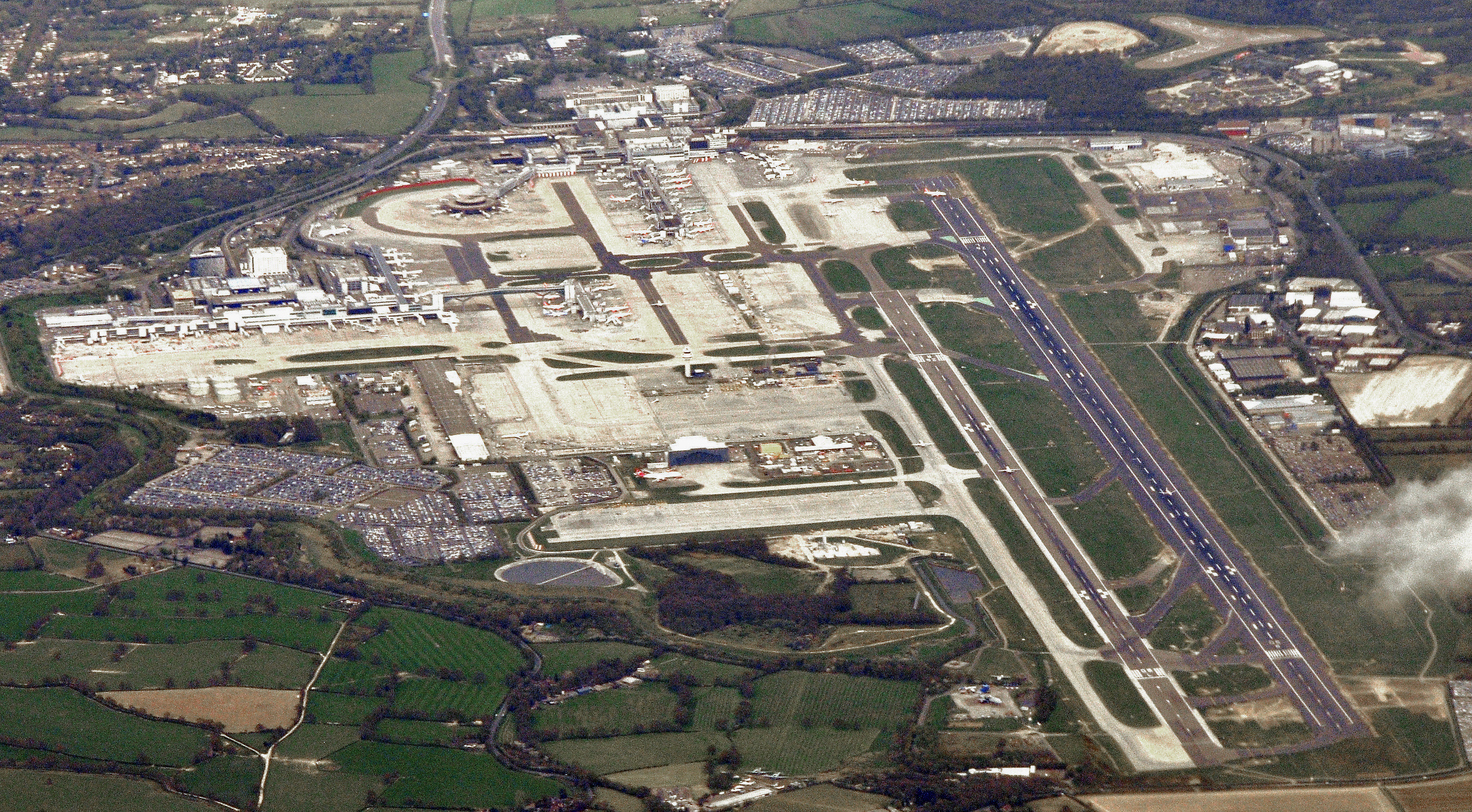
Gatwick (LGW) is the best all-rounder for South East leisure travel — easyJet's largest base, plus BA, Norwegian, Jet2 and a genuinely wide long-haul leisure network (Caribbean, Florida, and increasingly good value to the Gulf). Gatwick's North and South terminals both serve short-haul; check which one your flight uses before booking transport, as the walk between them isn't quick.
Stansted (STN) is Ryanair's biggest UK base and the cheapest South East airport for a huge share of European short-haul, especially in January and February when Ryanair discounts aggressively to keep load factors up. The trade-off is a slightly longer and pricier rail transfer into central London than Gatwick, and a route network skewed almost entirely toward European leisure — there's minimal long-haul.
Luton (LTN) runs easyJet and Wizz Air heavily, and is genuinely competitive with Stansted on Mediterranean and Central/Eastern European routes — Wizz Air's Central and Eastern Europe network (Poland, Romania, the Balkans) is stronger from Luton than almost anywhere else in the UK.
London City (LCY) is the overlooked option for business-leaning short-haul — Amsterdam, Zurich, Frankfurt, Milan, Edinburgh — where the fare is often £15–25 higher than Stansted or Luton but you save close to two hours in security and transfer time thanks to its central Docklands location and minimal queues. Worth it if your time is worth more than the fare difference.

Southend (SEN) is the quiet regional option, with easyJet running a smaller but genuinely useful network to Spain, Portugal and Italy — check it if you're based in Essex or East London, as parking and transfer times are dramatically shorter than the big four.

Midlands: BHX, EMA
Birmingham (BHX) is the Midlands' main hub, with a solid Jet2, TUI, Ryanair and easyJet leisure network covering Spain, Portugal, Greece and Turkey, plus some long-haul via partner connections. It's central enough that travellers from Manchester to Bristol will sometimes find a Birmingham fare beats their local airport, particularly on Jet2's package-adjacent flight-only fares.
East Midlands (EMA) is smaller and skews toward Ryanair short-haul plus a genuinely useful cargo/logistics role that keeps the airport well-invested. It's worth checking against Birmingham for the same route — EMA occasionally undercuts on Ryanair-operated Spanish and Italian routes.

North of England: MAN, LPL, NCL, DSA
Manchester (MAN) is the UK's largest airport outside London by a wide margin, and genuinely has a long-haul network — Virgin Atlantic, Emirates, Qatar, Singapore Airlines, plus TUI and Jet2's biggest leisure base outside London. For Northern England, Manchester frequently beats a London-airport-plus-domestic-connection combination on both price and hassle.
Liverpool (LPL) is smaller, Ryanair and easyJet-led, and a strong option for Merseyside and North Wales travellers heading to Spain, Portugal and the Canaries without the drive to Manchester.
Newcastle (NCL) covers the North East well, with Jet2 as the dominant leisure carrier and a genuinely broad Mediterranean network — check it against Edinburgh if you're in the Borders, as fares can differ significantly for the same destination on the same week.
Doncaster Sheffield (DSA) has had a turbulent few years operationally — check current route status before assuming a specific service is still flying, as the airport's network has changed more than most in this list.

Scotland: EDI, GLA, ABZ
Edinburgh (EDI) is Scotland's busiest airport, with easyJet and Ryanair short-haul plus a growing long-haul network (including US routes) that makes it genuinely useful for transatlantic leisure without routing through London. Fringe season (August) sees fares spike hard — book well ahead if you're flying into Edinburgh during the Festival.
Glasgow (GLA) runs a strong TUI and Jet2 package-flight network alongside the low-cost carriers, and is frequently the cheaper of the two Scottish hubs for Mediterranean beach destinations specifically, where TUI and Jet2 price aggressively for their own package customers but also sell flight-only seats at a discount.
Aberdeen (ABZ) is smaller and skews toward regional UK and Scandinavian connections (reflecting the North Sea oil and gas industry's historical travel patterns), with a genuinely useful KLM link via Amsterdam for onward international connections.


Wales & South West: CWL, BRS, EXT
Cardiff (CWL) is Wales's main airport, with a smaller but functional network via Vueling, TUI and KLM (for Amsterdam connections onward). Fares can be competitive on the routes it does serve, but the choice is narrower than the England-based airports on this list — check Bristol as an alternative before assuming Cardiff has your route.
Bristol (BRS) is the South West's main hub, easyJet and Ryanair-led with a genuinely wide leisure network for the West Country, and frequently the best option for travellers in Somerset, Devon and South Wales who'd otherwise face a long drive to a London airport.

Exeter (EXT) is the smallest on this list, useful mainly for Devon and Cornwall travellers heading to a handful of Mediterranean and Canary Islands routes without the drive to Bristol.
Northern Ireland: BFS
Belfast International (BFS) and George Best Belfast City together cover Northern Ireland, with easyJet, Ryanair, Jet2 and TUI running a solid Mediterranean and city-break network from BFS specifically, plus useful GB domestic links. Belfast International tends to have the wider leisure network; Belfast City is more convenient for short domestic hops and a handful of UK mainland business routes.

Route Deals — 20 UK to Destination Pairs Ranked
Twenty of the most-searched UK routes, with realistic 2026 price bands, best months and the carrier/booking pattern that consistently wins.
1. London (LGW/STN) to Barcelona (BCN) — £39–89 return on easyJet or Ryanair in shoulder season, £90–160 in July/August. Best months: May, June, September. Stansted typically undercuts Gatwick by £15–25 in January/February. Early-morning easyJet departures from Gatwick are the most reliable for a full first day in the city; midday BA from Heathrow costs more but connects better with onward Spanish rail. Compare Barcelona hotels here.
2. London (all airports) to Paris (CDG/ORY) — £45–95 return by air, though the Eurostar (St Pancras to Gare du Nord, 2h15) frequently beats flying on total door-to-door price and time for city-centre trips. If flying, Stansted-to-Beauvais routings via Ryanair are cheapest but Beauvais is 80km from Paris — only worth it if the fare gap exceeds £40. See our Paris hotel guide for the full breakdown of where to fly into.
3. London (LGW) to Nice (NCE) — £59–120 return, easyJet-dominant with BA competing on the Heathrow route at a premium. Best months: May–June and September, when the Côte d'Azur is warm but before peak July/August surcharges. Book 8–10 weeks out for the best shoulder-season fares. Full breakdown: Nice hotel guide.
4. London (STN) to Marseille (MRS) — £45–95 return on Ryanard-operated routes with easyJet also present from Gatwick. Marseille is consistently £10–20 cheaper than Nice for a similar Côte d'Azur/Provence trip, making it worth checking both before booking. See the Marseille hotel guide.
5. London (LHR/LGW) to Rome (FCO/CIA) — £49–110 return, with Ryanair flying into the smaller Ciampino (CIA) at a discount to BA/easyJet's Fiumicino (FCO) service. Ciampino is closer to the city centre than most people expect — check the transfer time before assuming FCO is more convenient. Best months: April–May, September–October.
6. Manchester to Malaga (AGP) — £39–85 return, Jet2 and easyJet both run heavy schedules here reflecting the route's popularity with Northern English leisure travellers. Winter fares (Nov–Feb, excluding half-term) regularly dip under £40 return as carriers chase off-peak load factor.
7. London (all) to Amsterdam (AMS) — £39–85 return, with KLM, easyJet, BA and Ryanair (via Eindhoven, a genuine alternative worth checking) all competing hard. Tuesday/Wednesday fares from Stansted or Luton are frequently the cheapest in Europe for a weekend break. Eurostar's newer direct London–Amsterdam service is a genuine flight alternative on the right dates.
8. London (LGW) to Dubai (DXB) — £320–550 return economy, spiking to £600+ over Christmas and New Year. Emirates and BA both fly direct from Heathrow; Gatwick has a smaller but often cheaper Emirates schedule. Book 10–16 weeks out, or 5–6 months for New Year specifically, when demand from UK travellers chasing winter sun spikes hard. See our Dubai hotel guide for where the savings should go.
9. Edinburgh to New York (JFK/EWR) — £340–650 return, one of the best-value long-haul routes out of Scotland thanks to direct services avoiding a London connection entirely. Best months: April–May and September–October, avoiding the summer peak and Thanksgiving/Christmas surcharges.
10. Manchester to Orlando (MCO) — £380–700 return, heavily seasonal around UK school holidays (Easter, summer, October half-term, Christmas) when family travel demand spikes hard. Book as early as 5–6 months out for these peak windows specifically; outside school holidays, 10–12 weeks is enough.
11. London (LGW/LHR) to Cape Town (CPT) — £480–780 return, best value routed via a Gulf hub (Doha, Dubai, Abu Dhabi) rather than the direct BA/Virgin services, which command a premium for the non-stop convenience. UK winter (Nov–Feb) is Cape Town's summer and the most popular window, so book 4–5 months out for that period.
12. Bristol to Faro (FAO) — £35–75 return, easyJet and Ryanair both serve this heavily and it's one of the best-value South West routes for a Portuguese beach trip. April–June and September are the sweet spot: warm, less crowded, and noticeably cheaper than July–August.
13. Glasgow to Tenerife (TFS)/Canaries — £59–140 return, TUI and Jet2-led, and the standout winter-sun route from Scotland. November–March, excluding Christmas week, sees some of the best fare-to-weather ratios anywhere on this list — genuinely warm winter weather at short-haul European prices.
14. London (STN) to Krakow (KRK) — £29–65 return, Ryanair and Wizz Air compete hard on this and most Central European city-break routes, keeping prices consistently low year-round. One of the most reliably cheap routes on this entire list, rarely spiking even at peak times.
15. Birmingham to Turkey (Antalya, AYT / Dalaman, DLM) — £69–150 return, Jet2 and TUI-dominant package-adjacent flight-only fares. May–June and September offer the best value; July–August fares climb sharply with peak Turkish summer demand.
16. London (all) to Reykjavik (KEF) — £69–160 return, easyJet and Icelandair both fly this, with Icelandair's stopover program worth checking if you're continuing to North America — a free multi-day stopover can effectively give you two trips for one flight cost. Winter (for the Northern Lights) and summer (for the midnight sun) are both in demand; shoulder months (April–May, September) are cheapest.
17. London (LHR) to Singapore (SIN) — £520–850 return, Singapore Airlines and BA compete directly, with Gulf-hub routings (Qatar, Emirates, Etihad) frequently undercutting both by £100+ if you're willing to add a stop. Book 12–16 weeks out; this route holds fares relatively steady year-round compared to leisure-driven routes.
18. Newcastle to Alicante (ALC) — £45–95 return, Jet2-dominant and one of the best-value routes from the North East for Costa Blanca. Winter off-peak (excluding Christmas) dips as low as £40 return.
19. London (LGW/STN) to Prague (PRG) — £35–80 return, a reliably cheap Central European city break year-round on Ryanair and easyJet, with a notable price spike around the Christmas markets period (late November–December) that's worth booking 8+ weeks ahead to avoid.
20. London (LHR) to Tokyo (NRT/HND) — £550–950 return, BA, Japan Airlines and ANA all compete, with Gulf-hub and Finnair-via-Helsinki routings sometimes undercutting the direct fare by £100–150 for a longer but still reasonable total journey time. Cherry blossom season (late March–April) and autumn foliage (November) both see meaningful surcharges — book 4+ months ahead for either window.
Fare-Class Tactics
Hand-luggage-only pricing. Both easyJet and Ryanair sell a bare "seat only" fare that strips out the hold bag, seat selection and priority boarding — typically £30–60 cheaper return than the bundled fare on the same European short-haul flight. This only works if you can genuinely pack into cabin allowance; if you know you'll need a hold bag, add it during booking rather than at the airport, where the fee roughly doubles.
Split-ticketing. Booking two genuinely separate one-way tickets — a UK-to-hub leg and a hub-to-destination leg — can undercut a single through-fare, particularly on long-haul routed via a competitive connecting hub. It works best when you treat the legs as independent trips with a real buffer between them, not as a disguised connection; if the tickets aren't linked and your first flight is delayed, the airline has no obligation to protect the second booking.
Hidden-city ticketing — a warning, not a tip. Booking a connecting itinerary through your real destination and skipping the final leg can look like a saving on paper, but it breaches most airlines' contracts of carriage, doesn't work with checked baggage, voids the return leg of a round-trip, and risks frequent-flyer account suspension. We list it here because readers ask about it, not because we recommend it.
Error-fare monitoring. Secret Flying, Jack's Flight Club and Airfarewatchdog all track mistaken fares — a missing surcharge, a currency error — that occasionally surface genuine long-haul deals at short-haul prices. When you catch one: book fast with a card that has strong chargeback rights, hold off on non-refundable hotels until the airline confirms the ticket, and don't call the airline to double-check — that can trigger a manual fare audit and cancellation before it's ticketed properly.
Search-tool stacking. Use Skyscanner's "Everywhere" search when the destination is flexible, Google Flights' price graph when the destination is fixed but the date isn't, and a UK flight comparison search like JetMeAway's flight search once you've narrowed to specific dates, so you're comparing live prices across providers rather than committing to the first result.
Timing — Best Days, Best Booking Windows, Best Months
Best day to search: Tuesday afternoon, UK time. Airlines tend to finish reacting to competitor Monday fare changes by early Tuesday afternoon, and haven't yet loaded weekend-surge pricing — not a guarantee on any single search, but a real statistical edge over a large sample.
Best day to fly: Tuesday and Wednesday, consistently 15–35% cheaper than Friday or Sunday on the same short-haul route. Most UK leisure travel clusters around Friday-to-Monday weekend trips, so demand — and price — peaks exactly there.
Booking window, short-haul European: 4–8 weeks out for the deepest discounts; 72–90 days out as a safer general window balancing price against seat availability.
Booking window, long-haul: 10–16 weeks out for most routes; extend to 5–6 months for peak windows — Christmas, New Year in Dubai or Cape Town, US school-holiday periods to Orlando.
Seasonal pattern: January and February (excluding half-term) are the cheapest months to fly from the UK across nearly every route on this list, as airlines discount hard to fill seats in the post-Christmas lull. September is the second-best window — summer crowds and peak pricing have receded, weather in southern Europe is often still excellent. Avoid the fortnight either side of Christmas and any UK school half-term week, when demand and price both spike sharply.
Airport Hacks — Parking, Lounges, Security, First-Flight-Out
Parking. Pre-book long-stay parking 2–4 weeks ahead for the best rate — typically 50–70% cheaper than turning up and paying on the day, and a third of the cost of short-stay/drop-off parking for anything over 24 hours. For trips under a week from a South East airport, compare pre-booked parking against rail or National Express — the coach or train frequently wins once fuel is factored in.
Meet-and-greet parking costs more than long-stay but saves 20–40 minutes each way — worth it for an early-morning departure with young children or heavy luggage, not worth it for a solo hand-luggage trip.
Airport transport. Rail (Elizabeth line/Heathrow Express, Gatwick Express, Stansted Express) is usually fastest and most predictably priced for South East airports, at £10–25 one-way depending on how far ahead you book. National Express undercuts rail by 30–50% but takes longer. Uber or a licensed taxi is most expensive per person alone, but can beat rail for groups of three or more.
Lounge access. Priority Pass, LoungeKey and Amex Platinum all bundle lounge entry, and a standalone paid visit at most UK airports runs £25–35. For short-haul, treat it as a comfort purchase rather than a saving — the value is roughly equivalent to what you'd spend on food and drink at the gate anyway. It earns its keep on early departures, long delays, or when it's already included free with a card you hold. Beyond the main chain lounges, Gatwick's independent options — Aspire Gatwick North and the various Clubrooms lounges — are worth checking against the bigger-name lounges, as they're sometimes less crowded for a comparable price.
Fast-track security. Available at most major UK airports for a fee (often £5–15 pre-booked, more on the day) and genuinely useful at peak times — Friday evenings, the start of school holidays — when standard queues can run 30–45 minutes.
First-flight-out hotel packages. For a genuinely early departure (before 6am), an airport hotel the night before — often bundled with parking — removes the 3am alarm and the drive in the dark, and is frequently cheaper than it looks once you weigh it against a taxi at that hour plus the lost sleep.
Points & Loyalty for UK Travellers
Avios. The British Airways American Express Premium Plus card is the strongest dedicated earner for UK spend (1.5 Avios per £1, plus a signup bonus), and Nectar points from everyday retail spend convert to Avios at a fixed rate — a free, passive way to build a balance without carrying a travel-specific card at all.
Burning Avios well. Short-haul reward flights are the best value redemption — taxes and surcharges are low relative to the points required. Long-haul premium-cabin redemptions look tempting but BA's fuel surcharges on reward flights can eat much of the headline saving; check the all-in cost (points plus cash surcharge) before committing a large balance to one trip.
Hotel loyalty. IHG One Rewards and Marriott Bonvoy both have UK co-branded credit cards and are worth pursuing if you have a natural preference for either group's properties — the points redeem well against free nights and, more usefully for city breaks, room upgrades on paid stays.
Spend-abroad tools. A fee-free card, or the Chase UK debit card's 1% cashback on selected spend, removes the drag of foreign transaction fees that many standard UK current accounts still quietly charge. Curve is another option worth checking if you want to consolidate multiple cards behind one spend-tracking layer while travelling.
The Seat vs Stay Maths — 4 Worked Examples
The core argument in numbers. Each example compares two ways to spend the same total budget on a 4-night European break: over-optimise the flight, or accept a slightly higher flight cost and put the difference into the hotel.
Example 1 — Barcelona, 4 nights, budget £450 per person
| Flight-first approach | Stay-first approach | |
|---|---|---|
| Flight | £75 (aggressively hunted, awkward times) | £95 (good times, easyJet, still off-peak) |
| Hotel (4 nights) | £280 (basic 3-star, no breakfast) | £355 (well-reviewed 3-star, breakfast included) |
| Total | £355 (£95 unspent) | £450 |
| Net difference | — | +£75 into the hotel = breakfast included + better location |
Example 2 — Nice, 4 nights, budget £600 per person
| Flight £200 + Hotel £150/night x4 = £800 total (over budget, must cut) | Flight £300 + Hotel £75/night x4 = £600 total | |
|---|---|---|
| Flight comfort | Direct BA, convenient time | easyJet, early departure |
| Hotel category | Forced down to budget to hit £600 | Mid-range 4-star, sea-view room |
| Outcome | Comfortable flight, disappointing stay | Early start, genuinely nice hotel |
Example 3 — Dubai, 5 nights, budget £1,100 per person
| Flight-heavy | Stay-heavy | |
|---|---|---|
| Flight | £550 (direct Emirates, Heathrow, peak time) | £380 (Gatwick departure, off-peak booking window) |
| Hotel (5 nights) | £110/night — mid-range, no extras | £144/night — includes a proper pool/beach club property |
| Total | £1,100 | £1,100 |
| What changes | Marginally shorter, more convenient flight | Genuinely different hotel experience for 5 nights |
Example 4 — Prague, 3 nights, budget £350 per person
| Every pound on the flight | Every pound on the stay | |
|---|---|---|
| Flight | £45 hunted down to the minimum, 5am departure | £70, reasonable mid-morning departure |
| Hotel (3 nights) | £75/night — basic, outside the centre | £93/night — central, well-reviewed, walkable to the Old Town |
| Total | £350 | £349 |
| Result | Saved £25 on the flight, lost it on taxis from a peripheral hotel | Broke even on total spend, materially better location |
The pattern repeats across every example: chasing the absolute floor on the flight rarely saves the amount it feels like it should once you weigh in the awkward departure time, and redirecting even £50–100 into the hotel produces a change you actually notice — breakfast included, a better room category, a location you can walk from.
Beyond the Flight: What to Do With What You Saved
Once the flight is booked, move fast on the hotel — non-refundable rates 20–40% below flexible pricing disappear as a city's best rooms sell out, and hotel inventory tightens faster than flight inventory because airlines can add capacity and hotels cannot. This is the single highest-leverage move in the entire guide: book the hotel within 24 hours of confirming the flight, while the room categories you actually want are still available at the rate you want.
Where the savings should go depends on the trip. For a city break, redirect the flight savings into a central location and breakfast included — the two things that improve every single day of a short trip. For a beach or resort trip, put it toward a sea-view room or a property with a genuine pool and spa — the parts of a resort stay that are hardest to upgrade later. For a long-haul trip where the flight itself is a meaningful chunk of the budget, even a modest £75–100 saved through better timing is enough to shift a hotel category up a full tier. Whatever you do with the savings, sort your cover before you travel — the government's guidance on foreign travel insurance is a neutral checklist of what a policy should include.
Start with UK hotel comparison once your flight is locked — JetMeAway compares live rates across Expedia, Trip.com, Hotels.com, Agoda, Trivago, RateHawk and Webbeds simultaneously, so you see the real spread before committing. For destination-specific guidance, our city guides go deep on where to stay and why: Paris hotel guide, Nice hotel guide, Marseille hotel guide, Barcelona hotel guide and Dubai hotel guide.
Scout Trust Signal: JetMeAway's flight search compares Aviasales, Trip.com and Expedia live, with no markup and no booking fee — you pay exactly what you'd pay booking direct with the airline. When you're ready for the hotel, our comparison engine works the same way across seven hotel providers, so the money you saved on the seat goes straight into the stay, not into a middleman's margin.
Deals by Season
Winter escape (Nov–Feb): the Canary Islands, Egypt's Red Sea coast and Morocco are the standout winter-sun value plays from the UK — genuinely warm weather at short-haul European prices, with Glasgow-to-Tenerife and similar routes regularly dipping under £70 return outside Christmas week.
Easter: short-haul city breaks dominate — Prague, Barcelona, Amsterdam — as families and couples use the two-week school break for a shorter trip than summer allows. Book 8–10 weeks ahead; Easter dates move year to year and fares spike hard in the fortnight immediately around the holiday itself.
Summer (Jun–Aug): the Mediterranean coast is at its most expensive and most crowded — if your dates are flexible, shift a week either side of the school summer holidays for a meaningfully lower fare and a quieter beach.
Autumn (Sep–Nov): the US opens up as the best-value long-haul window — post-Labor-Day fares to New York, Florida and the West Coast typically undercut summer by a wide margin, and September specifically remains one of the two cheapest months across this entire guide.
Christmas markets (late Nov–Dec): Vienna, Prague and Cologne see a reliable, predictable fare spike as soon as the markets open — book 8+ weeks ahead of the specific weekend you want, as this is one of the most date-sensitive windows in the whole European calendar.
New Year: Dubai and Cape Town are the two standout New Year escapes from the UK — both see fares climb sharply for the specific New Year's Eve week, so book 5–6 months out if that exact week matters, or shift a week either side for a substantially cheaper trip with nearly identical weather.
FAQ
Answers to the most common questions UK travellers ask about finding cheap flights are in the FAQ block above — booking windows, day-of-week tactics, airport-shifting, fare-class tricks, points strategy, and the seat-vs-stay thesis this whole guide is built around.
Ready to Search Your UK Flight?
Every hack in this guide compounds: pick the right UK airport, hunt the right day and window, choose the right fare class — then take what you saved and put it straight into a hotel that actually earns the extra spend.
When is the cheapest time to book flights from the UK?
What is the cheapest day of the week to fly from the UK?
What is the best day and time to search for cheap flights?
How far ahead should I book a long-haul flight from the UK?
Does clearing cookies actually get you cheaper flights?
Should I search a single airport or use a multi-airport code?
Should I book my hotel before or after my flight?
Is Stansted really cheaper than Gatwick for European city breaks?
What is hand-luggage-only pricing and how much does it actually save?
What is split-ticketing and is it worth the risk?
What is hidden-city ticketing and should I use it?
What are error fares and how do I find them?
How does Google Flights' price graph help find cheap fares?
Where should I park at a UK airport to save the most money?
Is airport lounge access worth it for short-haul flights?
What UK credit cards are best for earning Avios or travel points?
How can I use Avios points most effectively?
What is the Scout Method 'save on the seat, spend on the stay' thesis?
Which UK airports have the cheapest routes to Spain?
What is the cheapest month to fly from the UK?
Do I need to worry about ETIAS when flying from the UK to Europe?
Is it cheaper to fly indirect via a European hub than direct from the UK?
What's the best time of day to fly for the cheapest fare?
How much should I budget for airport transport in the UK?
Are budget airlines like Ryanair and easyJet reliable for UK departures?
Read next

Plan Your 2026 Trip Now
Use the JetMeAway Scout to compare live prices across 15+ trusted providers. Zero booking fees.
Start Searching