
New Hotels in Munich: What Opened in 2025–26, and 47 More
Munich's hotel scene changes every year, and most lists never tell you which hotels are actually new. This guide does. It starts with the hotels that opened in 2025 and 2026, with the opening date from Munich's own tourist office, and then adds 47 well-rated hotels that have proved themselves over thousands of guest reviews. That gives 50 hotels: 23 budget, 13 mid-range and 14 five-star luxury, from £52 a night for two, each with its own booking link and its walking time to Marienplatz.
Prices checked 2026-10-25 for November 2026 and January 2027 stays, 2 adults in 1 room, 1 night. For each hotel we checked Wednesday 18 November 2026 and Saturday 9 January 2027 and quote the lowest, rounded to the pound. Live prices change, so click any hotel for today's rate. Munich's city tax for overnight stays is not included where the hotel charges it at check-in.
Walking times to Marienplatz come from each hotel's map position (straight line × 1.3, at 80 metres a minute). Over 25 minutes, we give the distance instead.
Jump to: New hotels 2025–26 · All 50 by area · Budget · Mid-range · Luxury · Best for… · Next stops · Questions
Scout's 3 quick picks: 🆕 Cocoon München Theresienwiese: opened April 2025 next to the Oktoberfest grounds, scored 9.1/10, from £69 a night for two. 💷 Holiday Inn Munich - Westpark by IHG: the cheapest hotel in this guide, from £52, scored 9.0/10 from 3,526 reviews. ⭐ BEYOND by Geisel: adults-only rooms on Marienplatz itself, the best score in this guide at 9.6/10, from £319.
New Hotels in Munich: Opened 2025–26
We only call a hotel "new" here when a reliable source gives the year. All three opening dates below come from the Munich tourist office's list of new hotel openings. Two of the three took over buildings that were already hotels, which is why they already have thousands of reviews: some of those reviews are from the earlier hotel, so read the most recent ones.
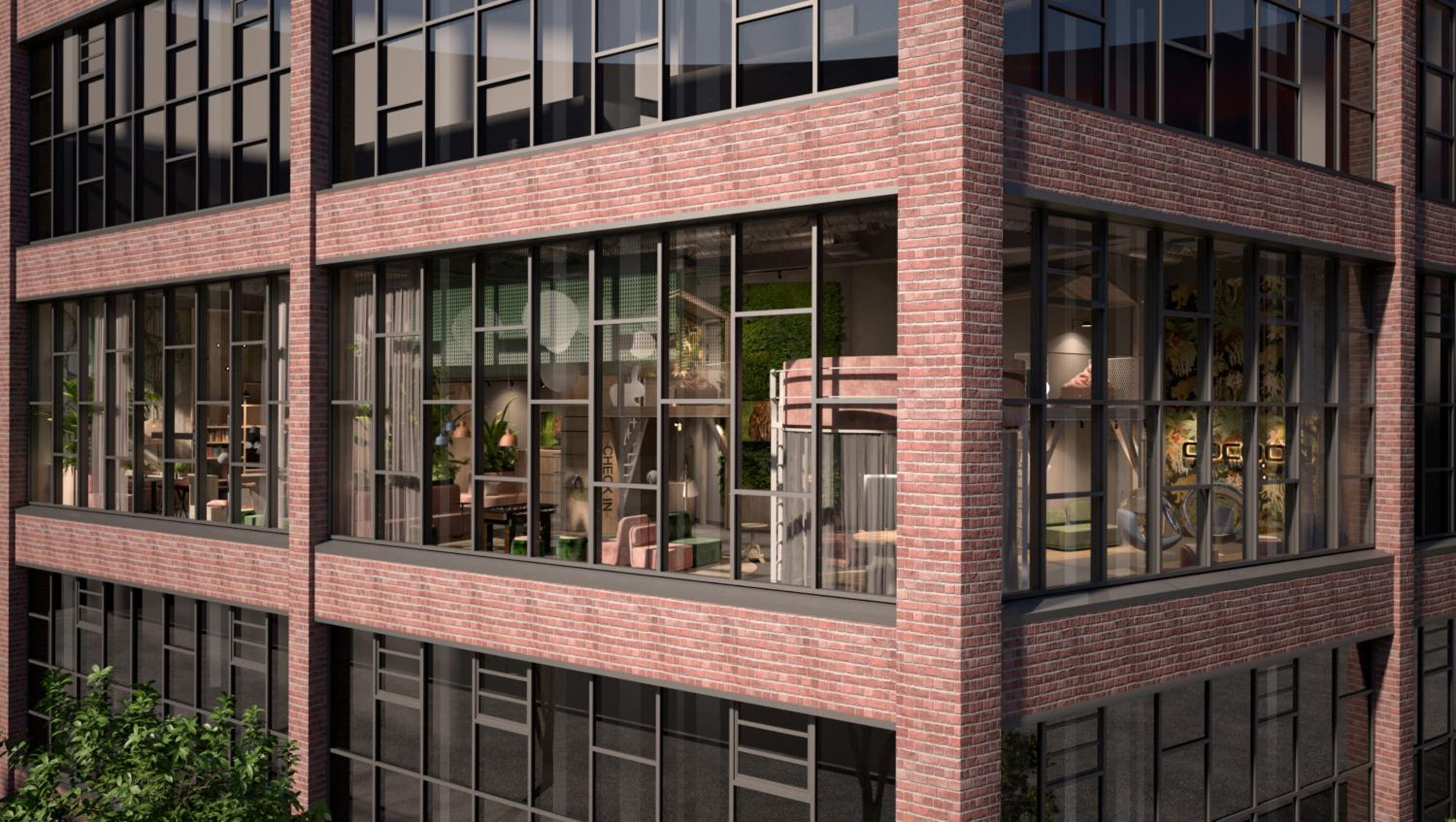
Cocoon München Theresienwiese · opened April 2025 · Theresienhöhe 40, by the Theresienwiese · 4★ · 9.1/10 (1,025 reviews) · from £69 a night for two (Wed 18 Nov £87, Sat 9 Jan £69) · 2.6 km from Marienplatz. The fourth Cocoon hotel in Munich, after Stachus, Hauptbahnhof and Sendlinger Tor, and the joint second-best-scored budget hotel in this guide after Boutique Hotel Krone München. The tourist office says it has classic rooms and flats with kitchenettes for longer stays, and a rooftop terrace looking at the Bavaria statue above the Oktoberfest grounds; our hotel data adds free bikes, a bar, private parking and some rooms with their own terrace. The cheapest room on both our dates was called a "Tiny House". Best for: Oktoberfest regulars and anyone who wants a brand-new room for a budget price.
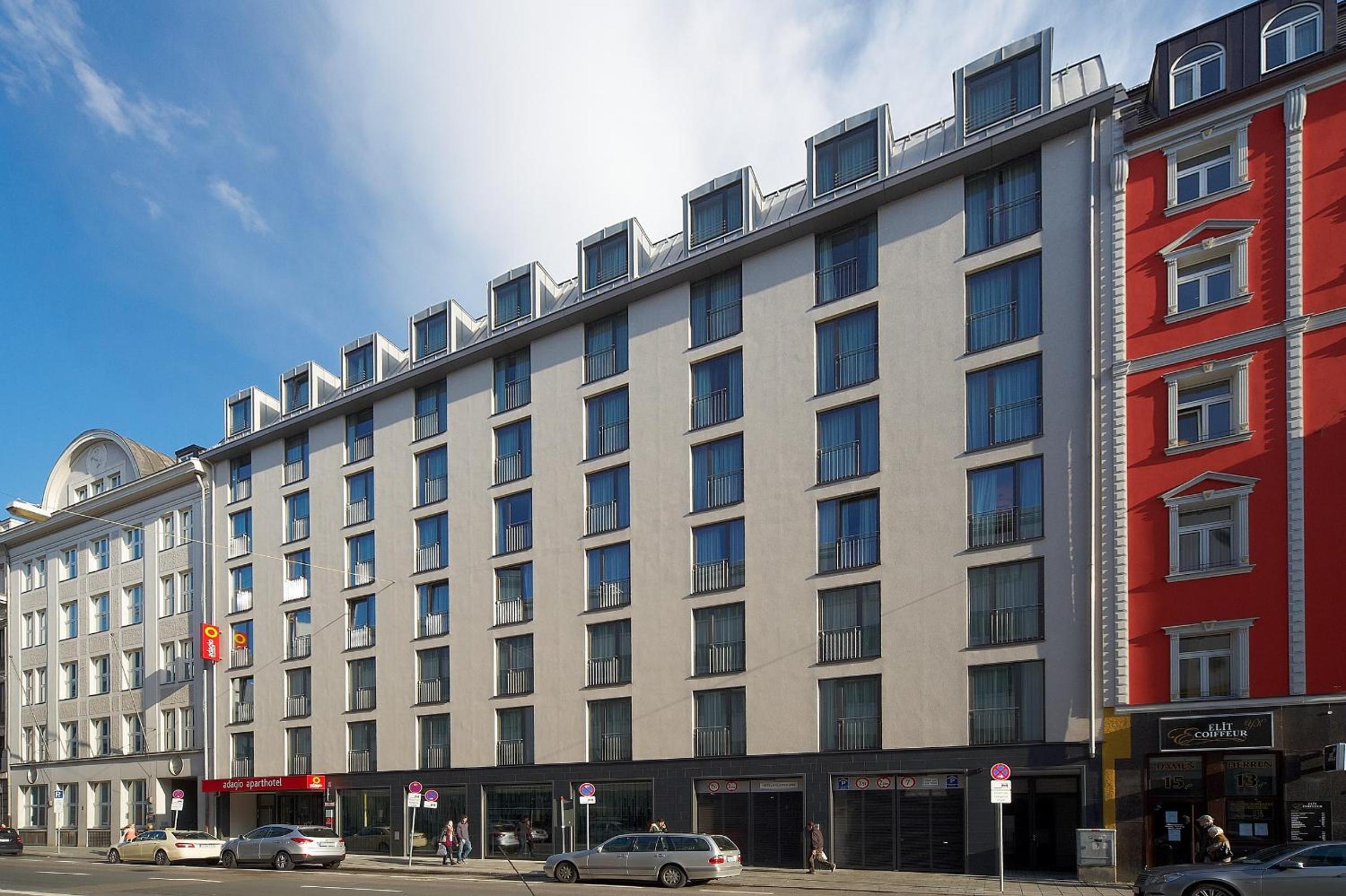
Bob W Munich City Centre · opened 1 May 2026 · Schwanthalerstraße 61, near the main station · 4★ · 7.9/10 (3,370 reviews) · from £85 a night for two (Wed 18 Nov £85; Sat 9 Jan £115 on a re-check) · about 23 min walk to Marienplatz. An aparthotel with 119 studios and apartments, according to the tourist office. Our hotel data still describes the building as its earlier aparthotel, about 300 metres from the main station, with a fully equipped kitchen in every apartment, a laundry room, a fitness centre and soundproofed windows. Its 7.9/10 score is the lowest in this guide, and much of it was earned before the change, so check recent reviews. Best for: longer stays and families who want a kitchen and the station on the doorstep.
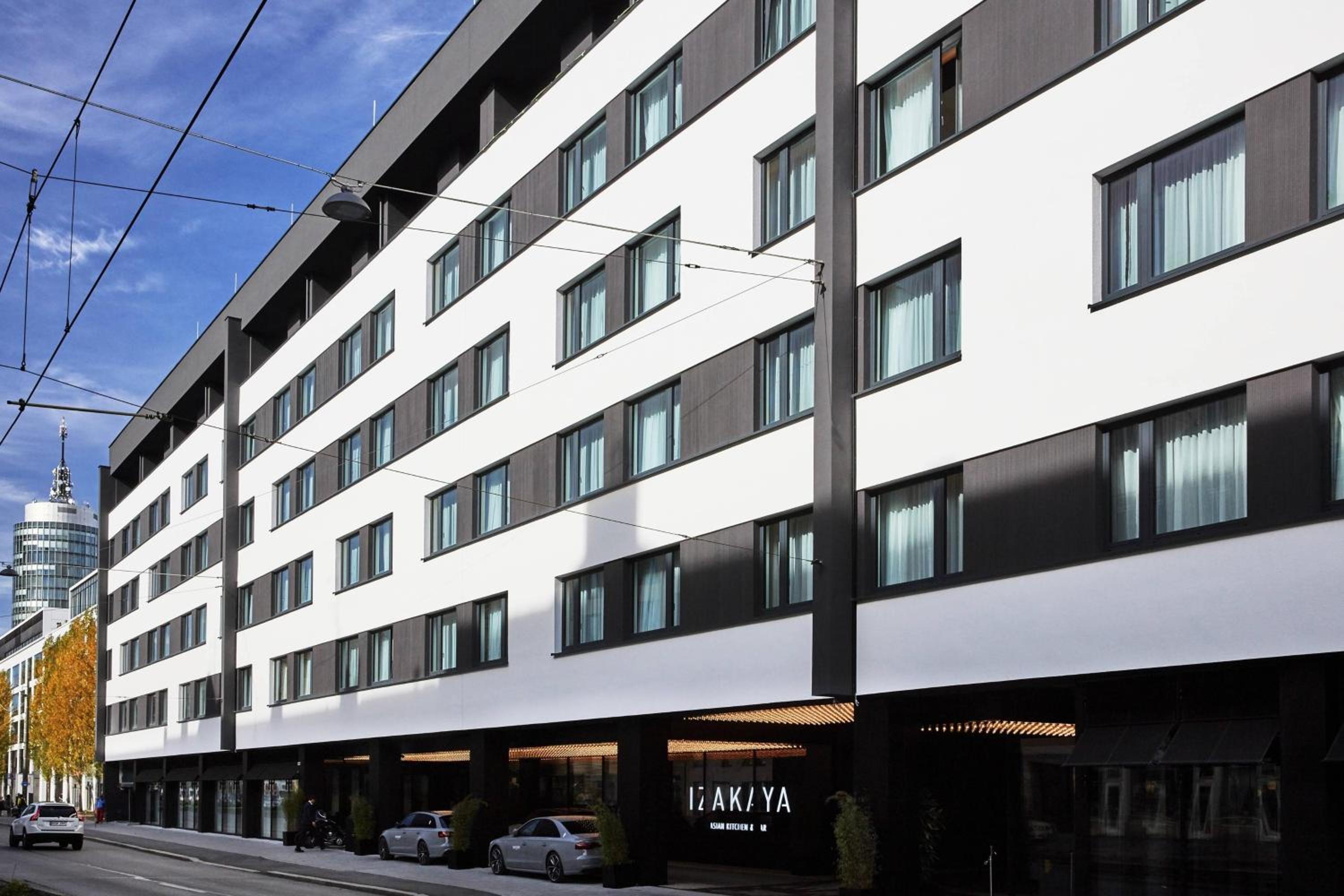
The Dean Munich, Autograph Collection · opened 1 July 2026 · Landsberger Straße 68, Westend · 5★ · 8.4/10 (2,672 reviews) · from £154 a night for two (Wed 18 Nov £154, Sat 9 Jan £170) · 2.6 km from Marienplatz. The tourist office lists it as opening on 1 July 2026 in the Westend with 281 rooms, a new design, a restaurant, a bar and a wellness area. The building was another hotel under a different name before, and our hotel data still uses that older description: spa suites with massages and beauty treatments, a fitness centre, an Asian restaurant, and some rooms with balconies and hot tubs. It is the second-cheapest five-star in this guide. Best for: a new five-star for the price of a city-centre four-star, a short walk from the Theresienwiese.
Opened just before: Koenigshof, a Luxury Collection Hotel, Munich on Karlsplatz (Stachus). The old hotel on this site was pulled down and rebuilt, and the new one opened in June 2024, according to its owner's annual results reported by the trade site HOGAPAGE. It is in our luxury list below, from £414.
What else is new? The tourist office lists several more 2025–26 openings, mostly serviced apartments and one airport hotel. We checked each one on our booking system: none had rooms we could sell on our dates, so we have left them out rather than list hotels you cannot book here. Hotels due to open from November 2026 onwards are not open yet, so they are not in this guide either.
Munich Hotels by Area: All 50 at a Glance
Altstadt (Old Town) and its edges. Marienplatz, the Frauenkirche, the Viktualienmarkt, the Hofbräuhaus and Maximilianstraße, plus the streets just outside the old gates at Sendlinger Tor, Isartor and Karlsplatz. The grand hotels are here, and so is most of our mid-range tier: 20 hotels within about a 15-minute walk of Marienplatz, from £77.
Main station (Hauptbahnhof) and Maxvorstadt. The busiest hotel quarter in Munich, with the S-Bahn to the airport and most of the budget hotels, about 15 to 25 minutes' walk from Marienplatz: 15 hotels, from £57.
Theresienwiese, Westend and Glockenbach. The Oktoberfest grounds and the streets around them, with the new Cocoon München Theresienwiese and The Dean Munich, Autograph Collection: 5 hotels, from £58.
Further out: Au, Haidhausen, Schwabing, Bogenhausen, Berg am Laim and Westpark. Quieter areas a short U-Bahn or S-Bahn ride from the centre, with the cheapest rooms in this guide and two large five-stars with pools: 10 hotels, from £52.
| Hotel | Area | Tier | To Marienplatz | From |
|---|---|---|---|---|
| BEYOND by Geisel | Altstadt, Marienplatz | Luxury | about 1 min walk | £319 |
| DO & CO Hotel München | Altstadt, Marienplatz | Luxury | about 2 min walk | £355 |
| Louis Hotel | Altstadt, Viktualienmarkt | Luxury | about 3 min walk | £224 |
| Platzl Hotel - Superior | Altstadt, near the Hofbräuhaus | Mid-range | about 4 min walk | £177 |
| Hotel Schlicker | Altstadt, Tal | Mid-range | about 4 min walk | £178 |
| Living Hotel Das Viktualienmarkt | Altstadt, Viktualienmarkt | Mid-range | about 5 min walk | £151 |
| CORTIINA Hotel | Altstadt | Mid-range | about 5 min walk | £183 |
| ANAGRAM - Haus im Tal | Altstadt, Tal | Mid-range | about 6 min walk | £163 |
| Mercure Hotel München Altstadt | Altstadt | Mid-range | about 6 min walk | £128 |
| Hotel an der Oper | Altstadt, by the Opera | Mid-range | about 6 min walk | £177 |
| Hotel Bayerischer Hof - The Leading Hotels of the World | Altstadt, Promenadeplatz | Luxury | about 6 min walk | £333 |
| Mandarin Oriental, Munich | Altstadt | Luxury | about 7 min walk | £734 |
| Rosewood Munich | Altstadt | Luxury | about 7 min walk | £694 |
| Hotel Torbräu | Altstadt, Tal | Mid-range | about 8 min walk | £204 |
| Vier Jahreszeiten Kempinski München | Altstadt, Maximilianstraße | Luxury | about 8 min walk | £320 |
| Hotel MIO by AMANO | Altstadt, Sendlinger Straße | Mid-range | about 9 min walk | £109 |
| Bob W Munich Old Town | Isartor | Budget | about 10 min walk | £96 |
| Hotel Admiral | Isarvorstadt, by the Deutsches Museum | Mid-range | about 12 min walk | £143 |
| Premier Inn München City Zentrum | Sonnenstraße | Budget | about 12 min walk | £77 |
| Koenigshof, a Luxury Collection Hotel, Munich | Karlsplatz (Stachus) | Luxury | about 14 min walk | £414 |
| Cocoon München Stachus | Main station | Budget | about 17 min walk | £57 |
| Ruby Rosi Hotel Munich by IHG | Main station | Budget | about 17 min walk | £74 |
| 25hours Hotel The Royal Bavarian | Main station | Mid-range | about 18 min walk | £118 |
| Rocco Forte The Charles Hotel | Maxvorstadt | Luxury | about 18 min walk | £456 |
| Europäischer Hof | Main station | Budget | about 19 min walk | £57 |
| AdvaStay by KING's | Main station | Budget | about 21 min walk | £80 |
| Eden Hotel Wolff | Main station | Mid-range | about 21 min walk | £143 |
| Cocoon München Hauptbahnhof | Main station | Budget | about 22 min walk | £69 |
| Hotel Metropol by Maier Privathotels | Main station | Budget | about 22 min walk | £78 |
| Eurostars Book Hotel | Main station | Budget | about 22 min walk | £75 |
| Sofitel Munich Bayerpost | Main station | Luxury | about 22 min walk | £183 |
| Bob W Munich City Centre | Main station | Budget, new 2026 | about 23 min walk | £85 |
| King's Hotel Center Superior | Maxvorstadt, by the station | Budget | about 23 min walk | £95 |
| Schwan Locke | Main station, Landwehrstraße | Budget | about 25 min walk | £62 |
| Bayer 89 Vi Vadi Hotel | Main station, Bayerstraße | Budget | 1.8 km | £66 |
| Cocoon München Sendlinger Tor | Glockenbach | Budget | about 20 min walk | £69 |
| Hotel GIO | Goetheplatz | Budget | 1.6 km | £58 |
| Boutique Hotel Krone München | Theresienwiese | Budget | 2.1 km | £76 |
| Cocoon München Theresienwiese | Theresienwiese | Budget, new 2025 | 2.6 km | £69 |
| The Dean Munich, Autograph Collection | Westend | Luxury, new 2026 | 2.6 km | £154 |
| Holiday Inn Munich City Centre by IHG | Au, by the Deutsches Museum | Budget | about 21 min walk | £76 |
| Marias Platzl | Au | Budget | about 23 min walk | £78 |
| Hotel München Palace | Bogenhausen | Luxury | 1.9 km | £210 |
| MOMA1890 Boutique Hotel | Haidhausen | Budget | 2.3 km | £99 |
| Schwabinger Wahrheit by Geisel | Schwabing | Mid-range | 2.6 km | £109 |
| gambino hotel WERKSVIERTEL | Berg am Laim, by the Ostbahnhof | Budget | 2.6 km | £65 |
| The Westin Grand Munich | Arabellapark | Luxury | 3.5 km | £118 |
| Scandic München Macherei | Berg am Laim | Budget | 3.7 km | £60 |
| Holiday Inn Munich - Westpark by IHG | Westpark | Budget | 4.0 km | £52 |
| Andaz Munich Schwabinger Tor, By Hyatt | Schwabing | Luxury | 4.1 km | £193 |
"From" is the lowest price per night for two on our two check dates. Tiers: budget means a from-price of £99 or less (£52 to £99); mid-range means 3- and 4-star hotels from £109 to £204; luxury means every 5-star hotel (£118 to £734), even when its price is lower than some mid-range hotels.
Budget Hotels in Munich: 23 From £52
Munich's cheapest good hotels cluster around the main station and the Theresienwiese, with a few big modern hotels further out that cost even less. All 23 below scored 7.9/10 or better, and 21 of them have more than 2,000 reviews.
1. Holiday Inn Munich - Westpark by IHG · Westpark · 4★ · 9.0/10 (3,526 reviews) · from £52 (Wed 18 Nov £80, Sat 9 Jan £52) · 4.0 km from Marienplatz. The cheapest hotel in this guide, and one of the best-scored in the budget tier. Contemporary rooms, a fitness area, a sauna, a lobby bar and a restaurant, close to public transport into the centre. Best for: travellers who don't mind a short ride in for a 4-star at a budget price.
2. Cocoon München Stachus · main station · 3★ · 8.0/10 (3,405 reviews) · from £57 (Wed 18 Nov £71, Sat 9 Jan £57) · about 17 min walk to Marienplatz. Between the main station (a 5-minute walk) and Stachus, with designer bathrooms, the brand's hanging cocoon chairs and a full breakfast buffet. Best for: a stylish cheap room you can walk to from the airport train.
3. Europäischer Hof · main station · 3★ · 8.2/10 (5,723 reviews) · from £57 (Wed 18 Nov £63, Sat 9 Jan £57) · about 19 min walk to Marienplatz. Directly opposite the main station, with soundproofed rooms, a breakfast buffet and underground parking; Marienplatz is about 3 minutes away by train. Best for: early trains and late arrivals.
4. Hotel GIO · Goetheplatz · 4★ · 8.3/10 (5,641 reviews) · from £58 (Wed 18 Nov £71, Sat 9 Jan £58) · 1.6 km from Marienplatz. On Goetheplatz, a 2-minute walk from its U-Bahn station and close to the Oktoberfest grounds. Renovated Mediterranean-style rooms, a Tuscan-style breakfast room and an orange lounge bar. Best for: Oktoberfest on a budget.
5. Scandic München Macherei · Berg am Laim · 4★ · 8.8/10 (7,556 reviews) · from £60 (Wed 18 Nov £157, Sat 9 Jan £60) · 3.7 km from Marienplatz. A modern 4-star with a restaurant, a bar, a fitness centre and a shared lounge, 1.8 km from the München Ost station; some rooms have a kitchenette. Note the big gap between our two dates. Best for: a well-rated 4-star when you can be flexible on dates.
6. Schwan Locke · Landwehrstraße, main station · 4★ · 8.8/10 (4,876 reviews) · from £62 (Wed 18 Nov £99, Sat 9 Jan £62) · about 25 min walk to Marienplatz. Apartments with a modern kitchen, a gym and a busy bar, near Karlsplatz and the Oktoberfest grounds. Best for: couples who want an apartment with hotel service.
7. gambino hotel WERKSVIERTEL · Berg am Laim · 3★ · 8.5/10 (14,913 reviews) · from £65 (Wed 18 Nov £134, Sat 9 Jan £65) · 2.6 km from Marienplatz. The most-reviewed hotel in this guide, 600 metres from the München Ost station in the Werksviertel. Some rooms have city views, and there is a shared lounge and a 24-hour front desk. Best for: a cheap, proven room by a fast S-Bahn link.
8. Bayer 89 Vi Vadi Hotel · Bayerstraße · 3★ · 8.5/10 (5,276 reviews) · from £66 (Wed 18 Nov £83, Sat 9 Jan £66) · 1.8 km from Marienplatz. Air-conditioned rooms with SIMMONS beds, heated bathroom floors and rain showers, and an Italian restaurant, Ristorante Ottantanove. Best for: comfort details at a budget price.
9. Cocoon München Theresienwiese · Theresienwiese · new in 2025 · from £69. See the new hotels section above.
10. Cocoon München Hauptbahnhof · Mittererstraße, main station · 4★ · 8.6/10 (6,939 reviews) · from £69 (Wed 18 Nov £78, Sat 9 Jan £69) · about 22 min walk to Marienplatz. A buffet breakfast, a garden, a terrace and a bar, a 24-hour front desk, and some rooms with a balcony. Best for: a 4-star by the station for a 3-star price.
11. Cocoon München Sendlinger Tor · Glockenbach · 4★ · 8.5/10 (6,983 reviews) · from £69 (Wed 18 Nov £87, Sat 9 Jan £69) · about 20 min walk to Marienplatz. In the Glockenbachviertel between Sendlinger Tor and Goetheplatz, with a green inner courtyard, a pinsa restaurant and the FreiSchwimmer rooftop bar on the 7th floor. Best for: nightlife lovers who want Munich's liveliest quarter outside the door.
12. Ruby Rosi Hotel Munich by IHG · Bayerstraße, main station · 4★ · 8.4/10 (4,772 reviews) · from £74 (Wed 18 Nov £125, Sat 9 Jan £74) · about 17 min walk to Marienplatz. 100 metres from the main station, with air-conditioned rooms, a terrace and a bar. Best for: one-night stops between trains.
13. Eurostars Book Hotel · Schwanthalerstraße, main station · 4★ · 8.5/10 (6,733 reviews) · from £75 (Wed 18 Nov £89, Sat 9 Jan £75) · about 22 min walk to Marienplatz. Rooms themed on famous books, a restaurant and a fitness centre, 650 metres from the main station. Best for: readers, and anyone who wants a 4-star with a gym for under £80.
14. Boutique Hotel Krone München · Theresienhöhe · 3★ · 9.2/10 (2,446 reviews) · from £76 (Wed 18 Nov £89, Sat 9 Jan £76) · 2.1 km from Marienplatz. The best-scored budget hotel in this guide, 250 metres from the Oktoberfest grounds. Individually designed, allergy-free rooms with a Marshall sound system, a breakfast buffet and a bar. Best for: Oktoberfest, and travellers with allergies.
15. Holiday Inn Munich City Centre by IHG · Au · 4★ · 8.3/10 (9,036 reviews) · from £76 (Wed 18 Nov £118, Sat 9 Jan £76) · about 21 min walk to Marienplatz. 500 metres from the Deutsches Museum, inside a shopping complex, with a Bavarian restaurant, a bar, a fitness centre and executive rooms with city views. Best for: families visiting the Deutsches Museum.
16. Premier Inn München City Zentrum · Sonnenstraße · 3★ · 8.3/10 (6,070 reviews) · from £77 (Wed 18 Nov £147, Sat 9 Jan £77) · about 12 min walk to Marienplatz. The closest budget hotel to Marienplatz in this guide after Bob W Munich Old Town, with air-conditioned rooms, a bar and breakfast every morning. Best for: walking to the Old Town on a budget.
17. Marias Platzl · Au · 3★ · 9.0/10 (2,202 reviews) · from £78 (Wed 18 Nov £128, Sat 9 Jan £78) · about 23 min walk to Marienplatz. A Bavarian-style hotel on Mariahilfplatz, south of the Isar and near the Deutsches Museum, with rooms looking at the Mariahilfkirche or a quiet courtyard and the rustic Wirtshaus Ayinger in der Au tavern downstairs. It is also the square of the Auer Dult fair. Best for: a traditional Bavarian feel for a budget price.
18. Hotel Metropol by Maier Privathotels · Mittererstraße, main station · 3★ · 9.0/10 (6,133 reviews) · from £78 (Wed 18 Nov £131, Sat 9 Jan £78) · about 22 min walk to Marienplatz. 5 minutes' walk from the main station and 8 minutes from the Theresienwiese. Air-conditioned rooms with a smart TV and a tablet, and a bar with local beers. Best for: a 9/10 score a few minutes from the station.
19. AdvaStay by KING's · Dachauer Straße, main station · 4★ · 8.8/10 (2,926 reviews) · from £80 (Wed 18 Nov £94, Sat 9 Jan £80) · about 21 min walk to Marienplatz. 150 metres from the main station, with a kitchenette and seating area in every room. Best for: self-caterers and longer stays.
20. Bob W Munich City Centre · main station · new in 2026 · from £85. See the new hotels section above.
21. King's Hotel Center Superior · Marsstraße · 3★ · 8.8/10 (7,443 reviews) · from £95 (Wed 18 Nov £99, Sat 9 Jan £95) · about 23 min walk to Marienplatz. 5 minutes' walk from the main station and Königsplatz, with classic wooden furniture, a buffet breakfast and a terrace. Best for: a traditional, steady price on both our dates.
22. Bob W Munich Old Town · Baaderstraße, Isartor · 4★ · 8.2/10 (3,197 reviews) · from £96 (Wed 18 Nov £124, Sat 9 Jan £96) · about 10 min walk to Marienplatz. The closest budget hotel to Marienplatz in this guide, one S-Bahn stop from the square, with an organic buffet breakfast and a gym. Best for: the Old Town and the Gärtnerplatz bars for under £100.
23. MOMA1890 Boutique Hotel · Orleansplatz, Haidhausen · 4★ · 9.1/10 (1,633 reviews) · from £99 (Wed 18 Nov £130, Sat 9 Jan £99) · 2.3 km from Marienplatz. 51 rooms, each designed by the architect Kurt Seidel, with furniture by Vitra, Le Corbusier and Eames and L'Occitane toiletries, by the Ostbahnhof. Best for: design lovers on a budget.
Mid-range Hotels in Munich: 13 From £109
Most of Munich's mid-range hotels are in the Old Town itself, between Marienplatz, the Viktualienmarkt and the Tal street to the Isartor. Nine of these 13 are within a 10-minute walk of Marienplatz.
1. Hotel MIO by AMANO · Sendlinger Straße · 4★ · 8.6/10 (6,499 reviews) · from £109 (Wed 18 Nov £164, Sat 9 Jan £109) · about 9 min walk to Marienplatz. 100 metres from Sendlinger Tor, with air-conditioned rooms, a terrace, a bar and a buffet breakfast with vegetarian and vegan options. Best for: the cheapest 4-star walk to the Old Town.
2. Schwabinger Wahrheit by Geisel · Schwabing · 4★ · 9.4/10 (2,616 reviews) · from £109 (Wed 18 Nov £126, Sat 9 Jan £109) · 2.6 km from Marienplatz. The best-scored mid-range hotel in this guide, 600 metres from the English Garden by the Münchner Freiheit U-Bahn. Soundproofed modern rooms, a buffet breakfast and a bar. Best for: the English Garden and Schwabing's cafés.
3. 25hours Hotel The Royal Bavarian · Bahnhofplatz, main station · 4★ · 8.8/10 (4,100 reviews) · from £118 (Wed 18 Nov £150, Sat 9 Jan £118) · about 18 min walk to Marienplatz. Opposite the main station, with a fitness centre, a sauna, a restaurant and bikes to hire. Best for: style and a sauna next to the airport train.
4. Mercure Hotel München Altstadt · Hotterstraße · 3★ · 8.8/10 (3,931 reviews) · from £128 (Wed 18 Nov £160, Sat 9 Jan £128) · about 6 min walk to Marienplatz. A 3-star superior on a quiet Old Town street, with air conditioning and a breakfast buffet. Best for: the cheapest room this close to Marienplatz.
5. Eden Hotel Wolff · Arnulfstraße, main station · 4★ · 8.5/10 (7,754 reviews) · from £143 (Wed 18 Nov £167, Sat 9 Jan £143) · about 21 min walk to Marienplatz. Directly beside the main station, with individually decorated rooms, a spa with sauna and steam room, and a traditional Bavarian restaurant. Best for: a classic hotel by the station.
6. Hotel Admiral · Kohlstraße · 4★ · 8.7/10 (3,251 reviews) · from £143 (Wed 18 Nov £143, Sat 9 Jan £146) · about 12 min walk to Marienplatz. 5 minutes' walk from the Isartor station and the Deutsches Museum, with a garden and a cosy bar. Best for: a quiet base near the Isar.
7. Living Hotel Das Viktualienmarkt · Frauenstraße · 4★ · 8.2/10 (2,163 reviews) · from £151 (Wed 18 Nov £175, Sat 9 Jan £151) · about 5 min walk to Marienplatz. On the Viktualienmarkt, 200 metres from Marienplatz, run on renewable energy, with rooms you can upgrade to a market view. Best for: market breakfasts and Christmas-market evenings.
8. ANAGRAM - Haus im Tal · Tal · 4★ · 8.7/10 (2,556 reviews) · from £163 (Wed 18 Nov £189, Sat 9 Jan £163) · about 6 min walk to Marienplatz. Free bikes, a fitness centre, a terrace and some rooms with a kitchen. Best for: active couples who want the Old Town on the doorstep.
9. Hotel an der Oper · Falkenturmstraße · 4★ · 8.4/10 (1,977 reviews) · from £177 (same price on both dates) · about 6 min walk to Marienplatz. Individually furnished rooms with classical details and an Italian restaurant with a terrace, in the historic quarter by the Bavarian State Opera. Best for: a night at the opera.
10. Platzl Hotel - Superior · Sparkassenstraße · 4★ · 8.9/10 (4,459 reviews) · from £177 (Wed 18 Nov £234, Sat 9 Jan £177) · about 4 min walk to Marienplatz. Home-brewed beer in its traditional pub, Bavarian food in a vaulted restaurant and a free spa with sauna and steam room, 2 minutes' walk from Marienplatz. Best for: Bavarian atmosphere with a spa.
11. Hotel Schlicker · Tal · 3★ · 8.8/10 (3,314 reviews) · from £178 (Wed 18 Nov £178, Sat 9 Jan £186) · about 4 min walk to Marienplatz. Family-run, 3 minutes from Marienplatz and the Viktualienmarkt, with air-conditioned rooms at the front or quieter rooms at the back. Best for: a family-run hotel in the heart of the Old Town.
12. CORTIINA Hotel · Ledererstraße · 4★ · 9.0/10 (1,565 reviews) · from £183 (Wed 18 Nov £278, Sat 9 Jan £183) · about 5 min walk to Marienplatz. A boutique hotel between Marienplatz and the Viktualienmarkt with specially designed furniture and the Grapes wine bar. Best for: design-minded couples.
13. Hotel Torbräu · Tal · 4★ · 8.9/10 (4,832 reviews) · from £204 (Wed 18 Nov £229, Sat 9 Jan £204) · about 8 min walk to Marienplatz. A historic 4-star by the Isartor gate, with classic rooms and the Schapeau restaurant-bar for cakes, coffee and cocktails. Best for: old-world Munich without five-star prices.
Luxury Hotels in Munich: 14 Five-Stars From £118
Munich's five-stars range from new hotels on the edge of the centre to grand addresses on Marienplatz and Maximilianstraße. On our dates the cheapest started at £118 and the dearest at £734.
1. The Westin Grand Munich · Arabellapark · 5★ · 8.0/10 (3,724 reviews) · from £118 (Wed 18 Nov £192, Sat 9 Jan £118) · 3.5 km from Marienplatz. The cheapest five-star in this guide, with a 1,500 m² spa and a large indoor pool, a Paulaner tavern and a beer garden, about 10 minutes from the centre by U-Bahn. Best for: a big pool and spa for less.
2. The Dean Munich, Autograph Collection · Westend · new in 2026 · from £154. See the new hotels section above.
3. Sofitel Munich Bayerpost · Bayerstraße, main station · 5★ · 8.6/10 (5,360 reviews) · from £183 (Wed 18 Nov £322, Sat 9 Jan £183) · about 22 min walk to Marienplatz. In a historic building next to the main station, with a spa, a French brasserie and direct links to the airport and the trade fair. Best for: business trips and Oktoberfest.
4. Andaz Munich Schwabinger Tor, By Hyatt · Schwabing · 5★ · 9.0/10 (1,971 reviews) · from £193 (Wed 18 Nov £369, Sat 9 Jan £193) · 4.1 km from Marienplatz. A spa and pool area with sundecks, and a rooftop bar with 360° views of the city and the Alps. The Lonely Broccoli restaurant serves organic, local Bavarian dishes. Best for: rooftop views of the Alps.
5. Hotel München Palace · Bogenhausen · 5★ · 9.4/10 (472 reviews) · from £210 (Wed 18 Nov £275, Sat 9 Jan £210) · 1.9 km from Marienplatz. Marble bathrooms, parquet floors, a free minibar, a sauna, a steam room and a gym, a short walk from the U-Bahn. Best for: a quiet, top-rated five-star away from the crowds.
6. Louis Hotel · Viktualienmarkt · 5★ · 9.0/10 (1,436 reviews) · from £224 (Wed 18 Nov £284, Sat 9 Jan £224) · about 3 min walk to Marienplatz. Rooms in natural stone and Italian fabrics with French balconies over the market, and the Japanese restaurant EMIKO. Best for: the cheapest five-star in the Old Town.
7. BEYOND by Geisel · Marienplatz · 5★ · 9.6/10 (478 reviews) · from £319 (Wed 18 Nov £319, Sat 9 Jan £337) · about 1 min walk to Marienplatz. Adults only. Rooms and suites with panoramic views, a two-floor living room and a shared kitchen where you can cook or order from the hotel's cook. The best score in this guide. Best for: couples who want to wake up on Marienplatz.
8. Vier Jahreszeiten Kempinski München · Maximilianstraße · 5★ · 8.6/10 (2,784 reviews) · from £320 (Wed 18 Nov £370, Sat 9 Jan £320) · about 8 min walk to Marienplatz. Munich's best-known address on its grandest shopping street, with a sixth-floor spa with a pool and city views, and the Schwarzreiter Tagesbar. Best for: a classic grand-hotel stay.
9. Hotel Bayerischer Hof - The Leading Hotels of the World · Promenadeplatz · 5★ · 8.2/10 (3,184 reviews) · from £333 (Wed 18 Nov £381, Sat 9 Jan £333) · about 6 min walk to Marienplatz. Five restaurants, including the 2-Michelin-star Atelier and Trader Vic's, the Blue Spa and a rooftop pool. Best for: food lovers and a rooftop swim.
10. DO & CO Hotel München · Marienplatz · 5★ · 9.4/10 (1,434 reviews) · from £355 (Wed 18 Nov £355, Sat 9 Jan £423) · about 2 min walk to Marienplatz. Beside the New Town Hall, with a restaurant, a bar, a terrace and a fitness centre; some rooms have a full kitchen. Best for: the Glockenspiel from your doorstep.
11. Koenigshof, a Luxury Collection Hotel, Munich · Karlsplatz · 5★ · 9.2/10 (455 reviews) · from £414 (Wed 18 Nov £414, Sat 9 Jan £435) · about 14 min walk to Marienplatz. Rebuilt and opened in June 2024, with city views from the rooms, room service and a breakfast buffet or à la carte breakfast. Best for: the newest five-star in the centre.
12. Rocco Forte The Charles Hotel · Sophienstraße · 5★ · 9.4/10 (1,105 reviews) · from £456 (Wed 18 Nov £471, Sat 9 Jan £456) · about 18 min walk to Marienplatz. Limestone bathrooms, a spa with an indoor pool, Sophia's restaurant and bar, and afternoon tea in The Library. Best for: a spa break near the museums of Maxvorstadt.
13. Rosewood Munich · Kardinal-Faulhaber-Straße · 5★ · 9.2/10 (280 reviews) · from £694 (Wed 18 Nov £694, Sat 9 Jan £696) · about 7 min walk to Marienplatz. A spa with an indoor pool and sauna, near the Frauenkirche. Best for: a special-occasion stay in the Old Town.
14. Mandarin Oriental, Munich · Neuturmstraße · 5★ · 9.4/10 (289 reviews) · from £734 (Wed 18 Nov £762, Sat 9 Jan £734) · about 7 min walk to Marienplatz. Marble bathrooms, a free minibar, Nobu Matsuhisa's Japanese-Peruvian restaurant Matsuhisa, a terrace with a 360-degree city view, a Turkish steam bath and a Finnish sauna. Best for: the most exclusive stay in this guide.
Best Munich Hotels for Your Trip
Oktoberfest. Stay by the Theresienwiese: Boutique Hotel Krone München is 250 metres from the grounds, and the new Cocoon München Theresienwiese looks at the Bavaria statue. Hotel Metropol by Maier Privathotels is 8 minutes' walk away, and Hotel GIO is close by on Goetheplatz. Book as early as you can.
The Christmas markets. The main market is on Marienplatz, so the Old Town hotels win: Living Hotel Das Viktualienmarkt, Hotel Schlicker and Mercure Hotel München Altstadt are all about 4 to 6 minutes' walk. For a five-star, BEYOND by Geisel and DO & CO Hotel München are on the square itself.
Near the main station. For the airport train and day trips, Europäischer Hof is opposite the station, Ruby Rosi Hotel Munich by IHG is 100 metres away and 25hours Hotel The Royal Bavarian is on Bahnhofplatz.
Families. Apartments with kitchens make Munich much cheaper for families: AdvaStay by KING's, Schwan Locke and the new Bob W Munich City Centre all have them. Holiday Inn Munich City Centre by IHG is 500 metres from the Deutsches Museum.
A swimming pool. Six hotels describe a pool: Hotel Bayerischer Hof - The Leading Hotels of the World (rooftop), Vier Jahreszeiten Kempinski München (sixth-floor spa with city views), Rocco Forte The Charles Hotel and Rosewood Munich (indoor), Andaz Munich Schwabinger Tor, By Hyatt (pool area with sundecks) and The Westin Grand Munich (large indoor pool in a 1,500 m² spa), which is also the cheapest of the six from £118.
Adults only. BEYOND by Geisel on Marienplatz is the only adults-only hotel in this guide.
Next Stops From Munich
Munich is the start of many rail trips. Salzburg is about an hour and a half away by train: see our best hotels in Salzburg. Nuremberg, with its famous Christmas market, is about an hour by fast train: see our Nuremberg hotels guide. For a longer loop, compare Vienna, Prague and Berlin, each about four to six hours away by train. Flying in? Our guide to flights to Munich from the UK compares the routes.
Munich Tips for Your Stay
- The Glockenspiel. The New Town Hall's clock plays at 11am and noon every day, and also at 5pm from March to October. Watch from the square.
- Beer gardens. The Augustiner-Keller on Arnulfstraße, near the main station, is a short walk from the station hotels. In a traditional beer garden you may bring your own food to the tables without cloths.
- The Viktualienmarkt. Munich's food market is a few minutes from Marienplatz; come in the morning for Weisswurst and pretzels.
- Museums. The Deutsches Museum is near the Isar, and the three Pinakothek galleries are in Maxvorstadt, north of the main station.
- Day trips. Neuschwanstein Castle is about 2 hours by train and bus via Füssen; book the timed interior tour online well ahead. The Alps and the lakes south of the city are an hour or less by regional train.
UK Practicalities
- Flights: British Airways and Lufthansa fly from Heathrow, and easyJet and Ryanair from other UK airports, in about 2 hours. Search flights to Munich (MUC).
- Airport to city: S-Bahn S1 or S8 to the main station and Marienplatz in about 40 to 45 minutes. The Airport-City-Day-Ticket usually beats a single; check the current fare on the MVV website.
- Entry: no visa for UK passport holders for up to 90 days in 180; the EU's Entry/Exit System registers your fingerprints and photo on your first trip. See the UK government's Germany travel advice.
- Money: euros. Cards are widely taken, but carry some cash for beer gardens and market stalls.
- Cheapest months: November (outside trade fairs) and January to March. The dearest weeks are Oktoberfest, big trade fairs and December weekends. For more ideas, see the official Germany tourism site.
Munich Hotel Questions
What are the newest hotels in Munich?
In this guide: Cocoon München Theresienwiese (opened April 2025, from £69), Bob W Munich City Centre (opened 1 May 2026, from £85) and The Dean Munich, Autograph Collection (opened 1 July 2026, from £154), with dates from Munich's tourist office. The rebuilt Koenigshof, a Luxury Collection Hotel, Munich opened in June 2024.
What is the cheapest good hotel in Munich?
On our checks, Holiday Inn Munich - Westpark by IHG, from £52 a night for two on Saturday 9 January 2027, with a 9.0/10 score. Closer to the centre, Cocoon München Stachus and Europäischer Hof by the main station both started at £57.
Which hotel is closest to Marienplatz?
BEYOND by Geisel is on Marienplatz itself, and DO & CO Hotel München is beside the New Town Hall. The closest mid-range options are Platzl Hotel - Superior and Hotel Schlicker, both about 4 minutes' walk.
Which is the best-rated hotel in Munich in this guide?
BEYOND by Geisel at 9.6/10, then Schwabinger Wahrheit by Geisel, Rocco Forte The Charles Hotel, DO & CO Hotel München, Mandarin Oriental, Munich and Hotel München Palace, all at 9.4/10. The best-rated budget hotel is Boutique Hotel Krone München at 9.2/10.
Where should I stay in Munich for Oktoberfest?
By the Theresienwiese: Boutique Hotel Krone München is 250 metres from the grounds, and Cocoon München Theresienwiese opened beside them in 2025. Sofitel Munich Bayerpost is the five-star choice, a short walk away by the main station.
Ready to Book?
Every hotel above links to its own live booking page, with today's rate and the room details from the hotel. No booking fees.
Frequently asked questions
Which hotels in Munich are new?
How much does a hotel in Munich cost per night?
What is the best area to stay in Munich for a first visit?
What is the cheapest area for hotels in Munich?
When should I book a hotel for Oktoberfest?
When are the Munich Christmas markets, and do hotels get more expensive?
How do I get from Munich Airport to the city centre?
Which Munich hotels have a swimming pool?
Are there direct flights from the UK to Munich?
Do UK travellers need a visa for Munich?
Is Munich expensive compared with other German cities?
Read next
All Germany hotel guides (16) →
Plan Your 2026 Trip Now
Use the JetMeAway Scout to compare live prices across 15+ trusted providers. Zero booking fees.
Start Searching