
Nagoya Hotels 2026: 49 Real Stays From £36
Nagoya is the best-value big-city base in Japan, and this guide is the whole map on one page: 49 real, currently bookable Nagoya hotels — 7 luxury, 10 mid-range and 32 budget properties from around £36 a night — each linking straight through to its own live-price page. This is Japan's fourth-largest city, the heart of its car industry, and a place most first-time visitors fly straight past. That is exactly why the rooms cost less here than in Tokyo, Kyoto or Osaka, and why a clean, central, en-suite business hotel for £36 to £55 a night is completely normal rather than a lucky find.
Jump to your budget: Luxury · Mid-range · Budget stays from £36 · FAQs
Scout's 3 picks right now: 🏙️ Nagoya Tokyu Hotel — a 5★ with 1,989 reviews from ~£91/night, the cheapest genuine five-star in this guide and cheaper than several four-stars. 🚄 Hotel Keihan Nagoya — 4★, 6,767 reviews (the highest count on this page), from ~£59/night by the station. 💸 KOKO HOTEL Nagoya Marunouchi — from ~£36/night with 3,228 reviews, the cheapest bed here and a proven one. From-prices are live rates pulled while writing — tap any hotel for today's price on your dates.
Here is the short version. Nagoya sits on the Tokaido Shinkansen roughly halfway between Tokyo and Osaka: about 100 minutes to Tokyo, about 35 minutes to Kyoto and about 50 minutes to Shin-Osaka, with departures every few minutes. It is also the gateway to Takayama, Shirakawa-go, the Kiso Valley and Ise Grand Shrine, which no other big Japanese city can offer. Japan's currency is the Japanese Yen (JPY), and the pound figures throughout this guide are indicative conversions of live rates rather than fixed quotes. There is no direct flight from the UK to Nagoya — fly direct to Tokyo or Osaka and take the shinkansen on, or connect through a Gulf or Asian hub into Chubu Centrair International (NGO), which sits on a man-made island in Ise Bay about 30 minutes from the city by train.
Compare live Nagoya hotel prices or search UK flights to Nagoya (NGO).
The Best Luxury Hotels in Nagoya
Seven five-star properties, and the spread is wide — from a £91 room that undercuts half the mid-range tier to a £473 suite inside the city's television tower. What Nagoya's top end gives you is space, proper service and, in several cases, a tower address directly above the shinkansen. Live midweek rates pulled while writing — tap any hotel for your dates.
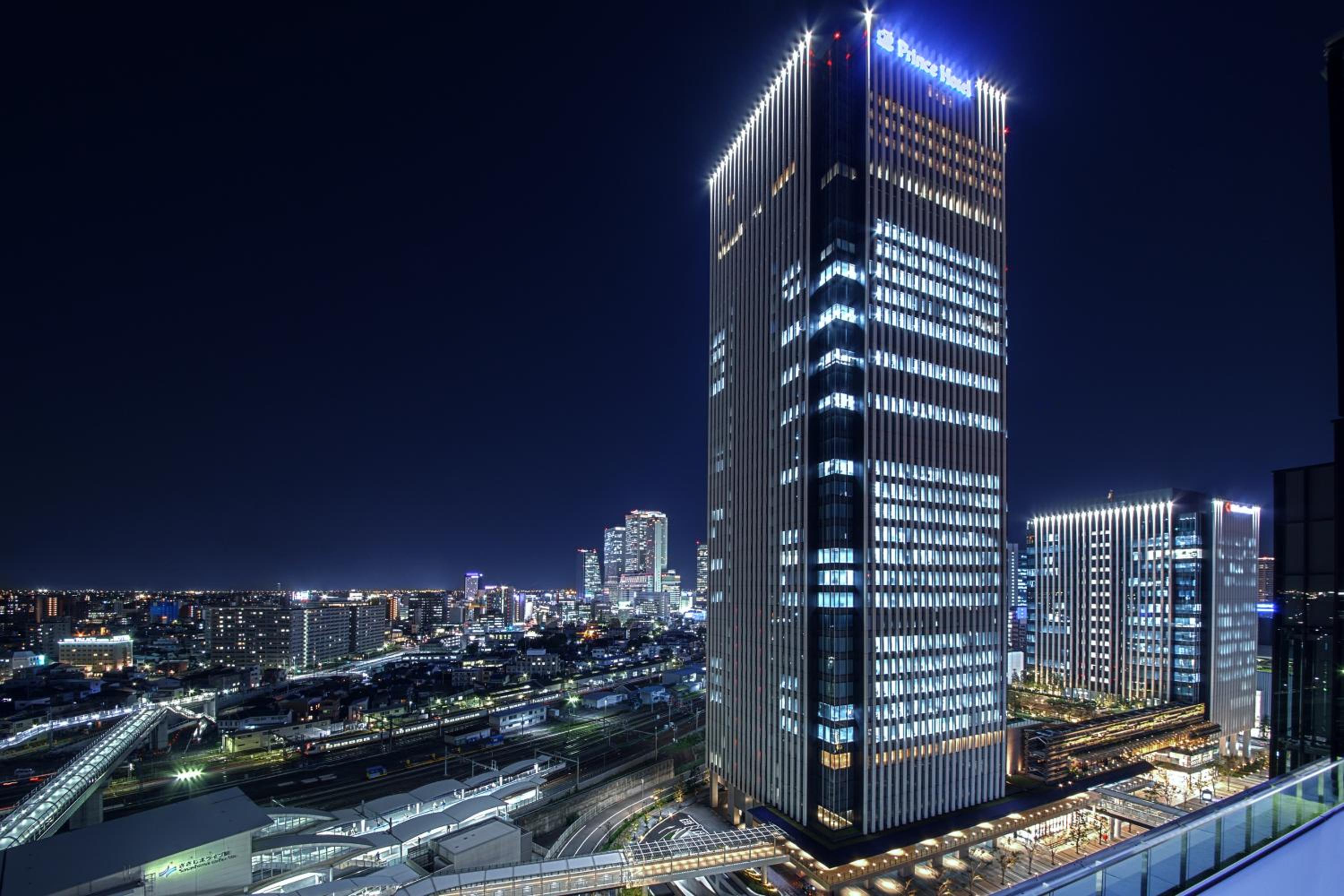
1. Nagoya Prince Hotel Sky Tower — Nagoya · 5★ · 3,275 reviews · from ~£174/night. The most-reviewed luxury hotel in the city, occupying the upper floors of a modern tower a short hop south of Nagoya Station, which means high-level city views from most rooms. Over 3,200 reviews is a lot of evidence for consistency at this level. Best for travellers who want a contemporary high-rise room and the station within easy reach.
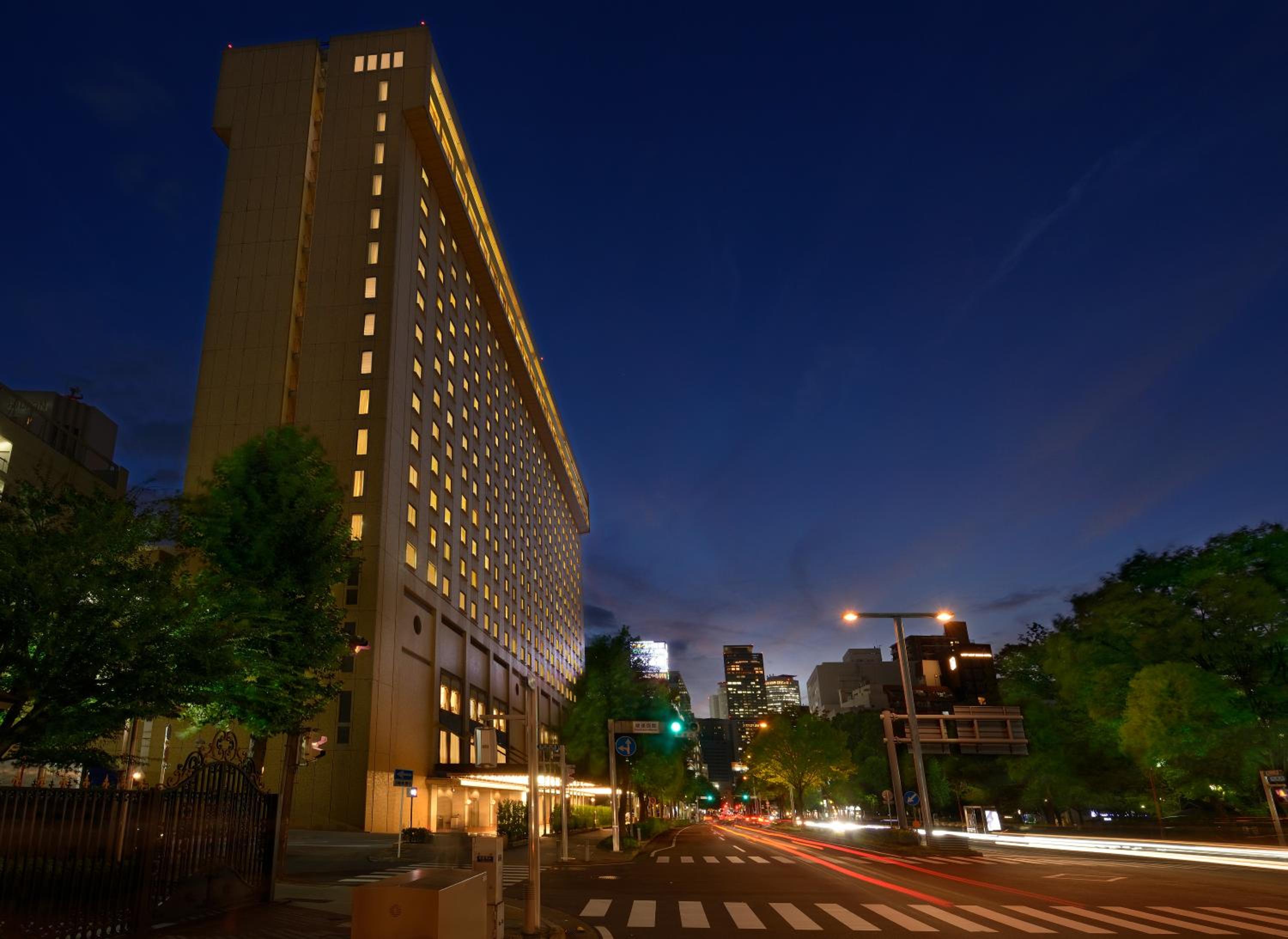
2. Nagoya Kanko Hotel — Nagoya · 5★ · 2,416 reviews · from ~£133/night. The city's grand old hotel, open since the 1930s and long the address for visiting dignitaries, set in the central Nishiki district within walking distance of Fushimi and Sakae. Classic full-service style rather than minimalist design, and priced sensibly for what it is. Best for travellers who like traditional hotels with a bit of history behind the reception desk.
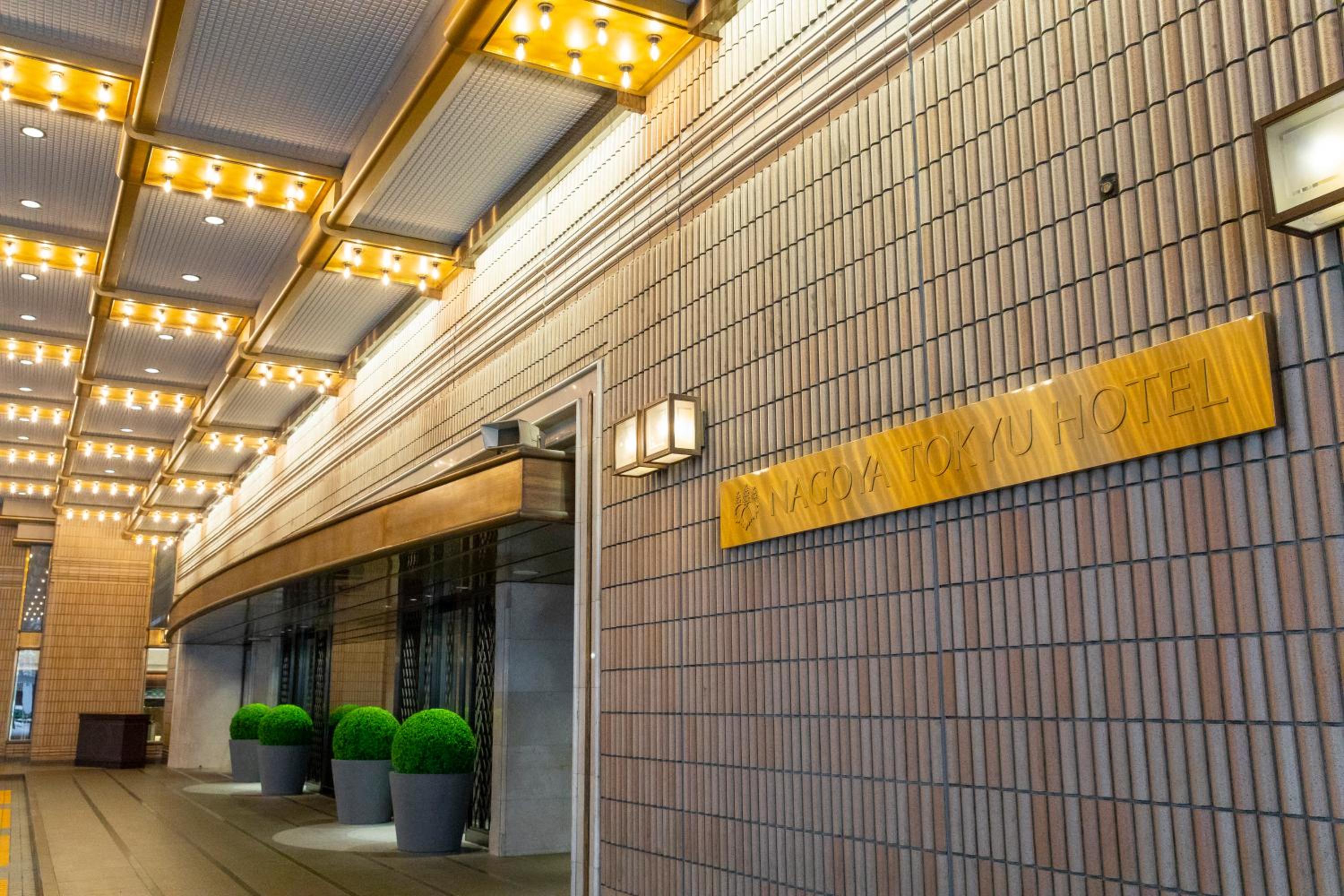
3. Nagoya Tokyu Hotel — Nagoya · 5★ · 1,989 reviews · from ~£91/night. The best-value luxury hotel on this page by a clear margin — a full five-star in the Sakae area from about £91, which is less than several four-stars listed below. Tokyu is a large, reliable Japanese hotel group and the review count backs it up. Best for anyone who wants five-star space and service without the five-star bill, in the middle of the nightlife district.
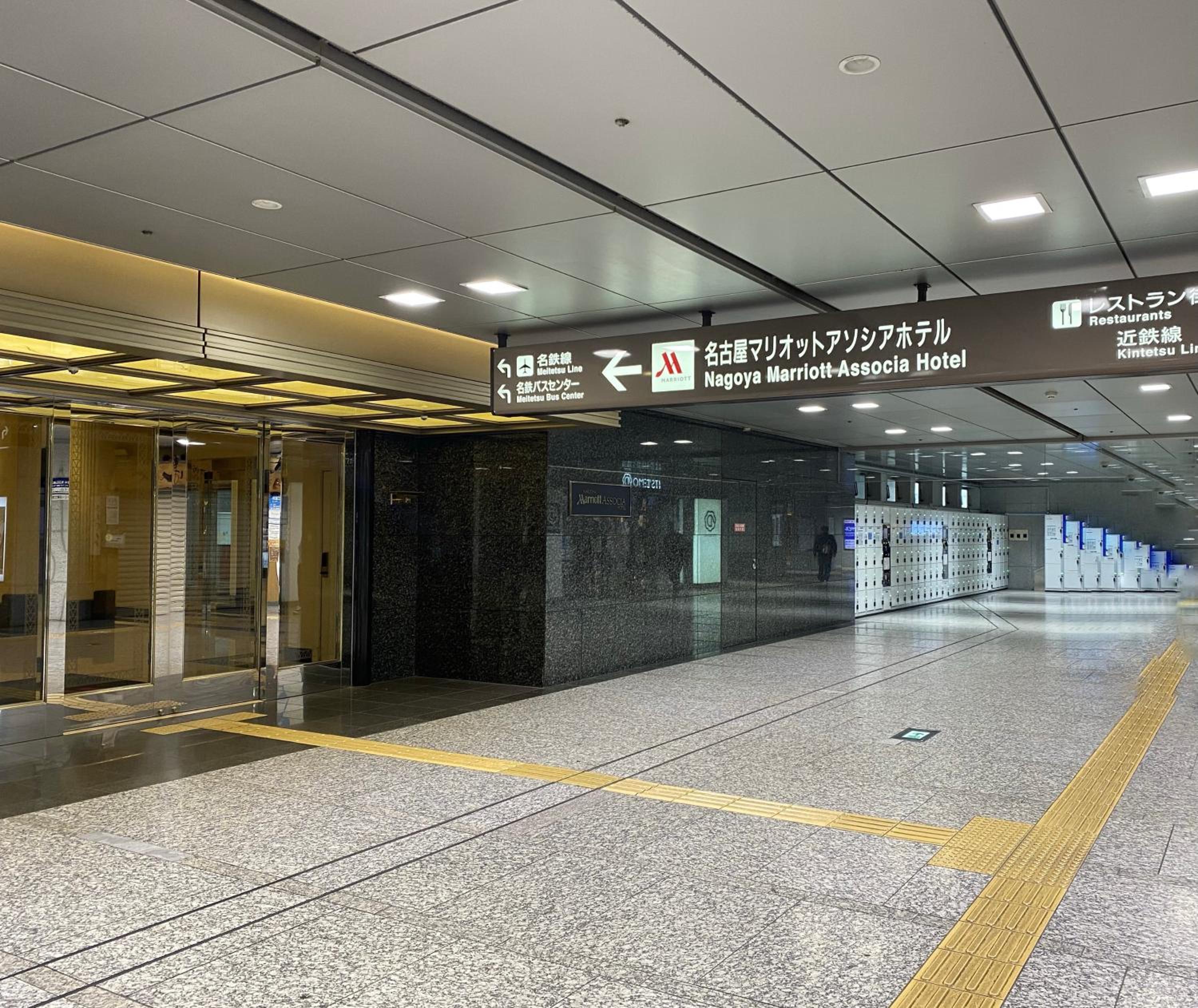
4. Nagoya Marriott Associa Hotel — Nagoya · 5★ · 1,036 reviews · from ~£196/night. Built into the JR Central Towers directly above Nagoya Station, so you step off the shinkansen and into a lift — the rooms start high up the building and the views are the reason people book it. Full Marriott service, Bonvoy points, and unbeatable convenience for day trips. Best for travellers whose plan is a shinkansen a day and who never want to touch a taxi.
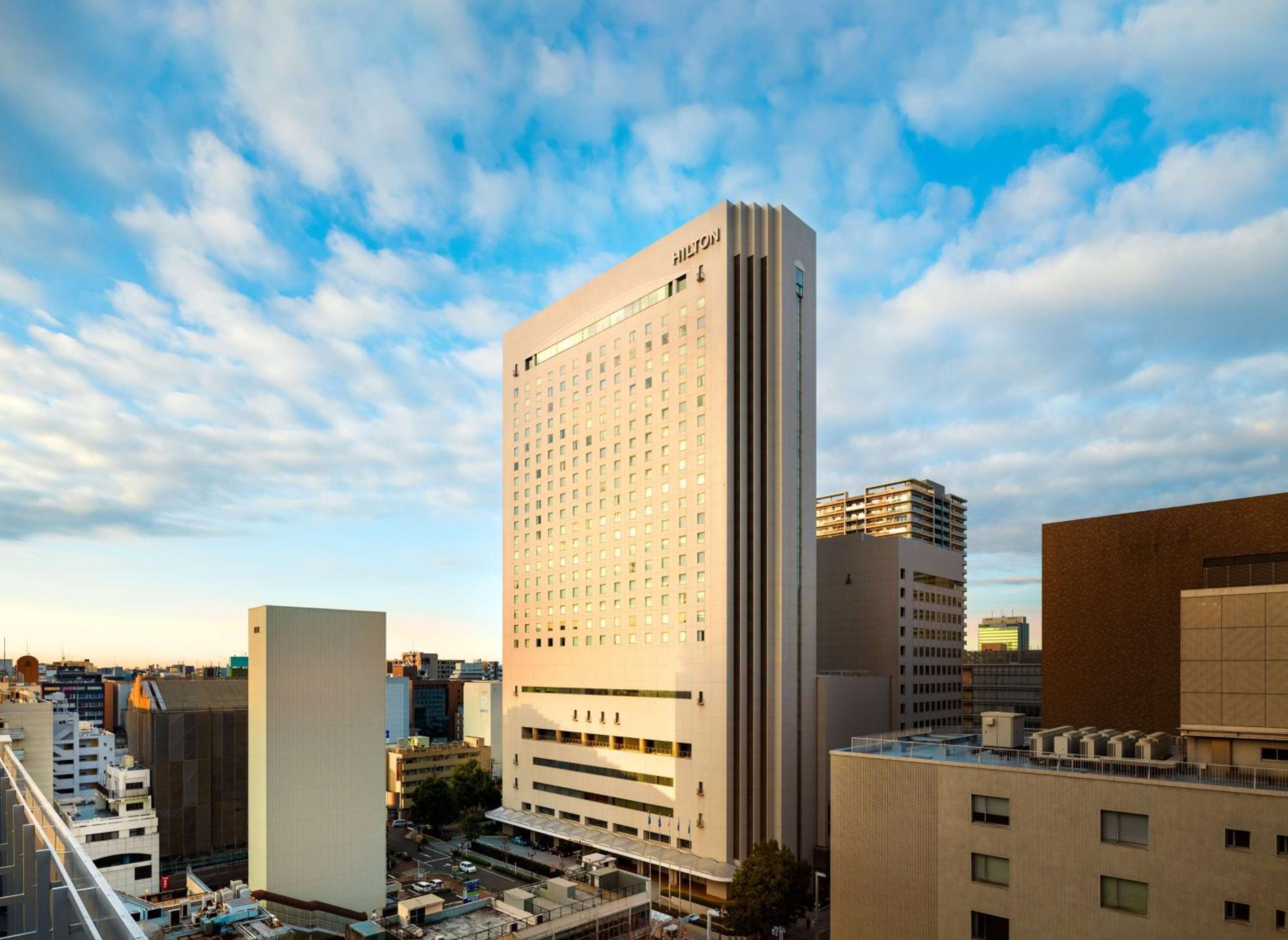
5. Hilton Nagoya Hotel — Nagoya · 5★ · 962 reviews · from ~£157/night. A long-established Hilton in the Fushimi area, sitting neatly between Nagoya Station and Sakae with a subway station at the door, and one of the few hotels in the city with a proper pool and fitness facilities. Rooms are larger than the Japanese average. Best for travellers who want a familiar international brand, Honors points and space to spread out.
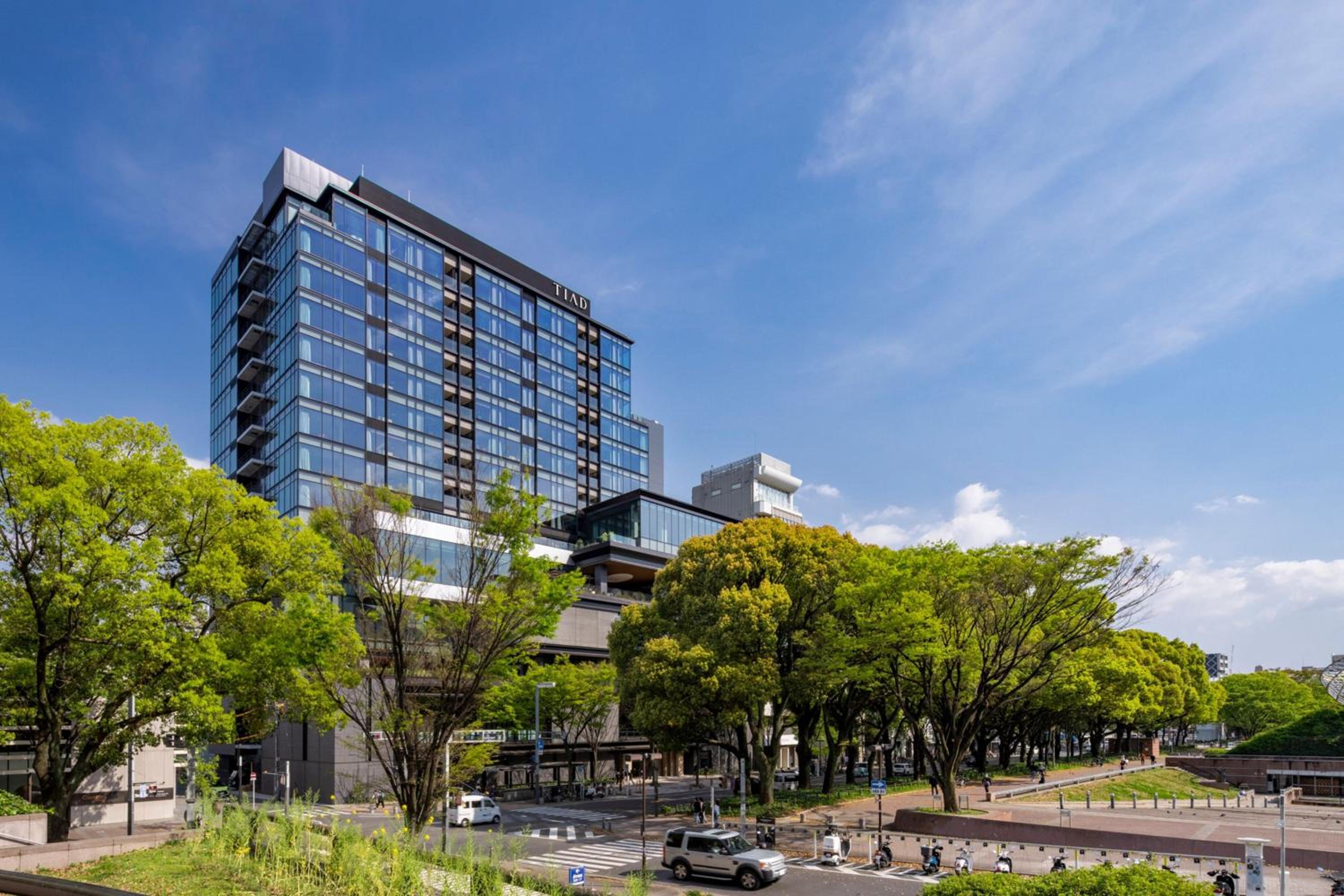
6. TIAD, Autograph Collection — Nagoya · 5★ · 213 reviews · from ~£279/night. A newer design-led five-star under Marriott's Autograph Collection, the badge the group reserves for independent-feeling hotels with their own character rather than a chain template. The review count is small because it is recent, not because it is quiet. Best for design-minded travellers who want something distinctly not corporate and are happy to pay for it.
7. The Tower Hotel Nagoya — Nagoya · 5★ · 118 reviews · from ~£473/night. The most expensive room in this guide, and the most unusual: a tiny hotel built into the landmark television tower that rises out of Hisaya-odori Park in Sakae, with a handful of rooms inside the steel structure itself. You are sleeping in the city's most recognisable silhouette. Best for a one-night splurge or an anniversary, not for a week.
See all Nagoya stays · compare flights to Nagoya (NGO)
The Best Mid-Range Hotels in Nagoya
This is where Nagoya really earns its keep. Ten four-star hotels from about £59 to £156, most of them within a few minutes of Nagoya Station or Sakae, and several with the top-floor communal baths that make Japanese hotels quietly better than their Western equivalents. If you want one recommendation from this tier, it is Hotel Keihan Nagoya at £59.
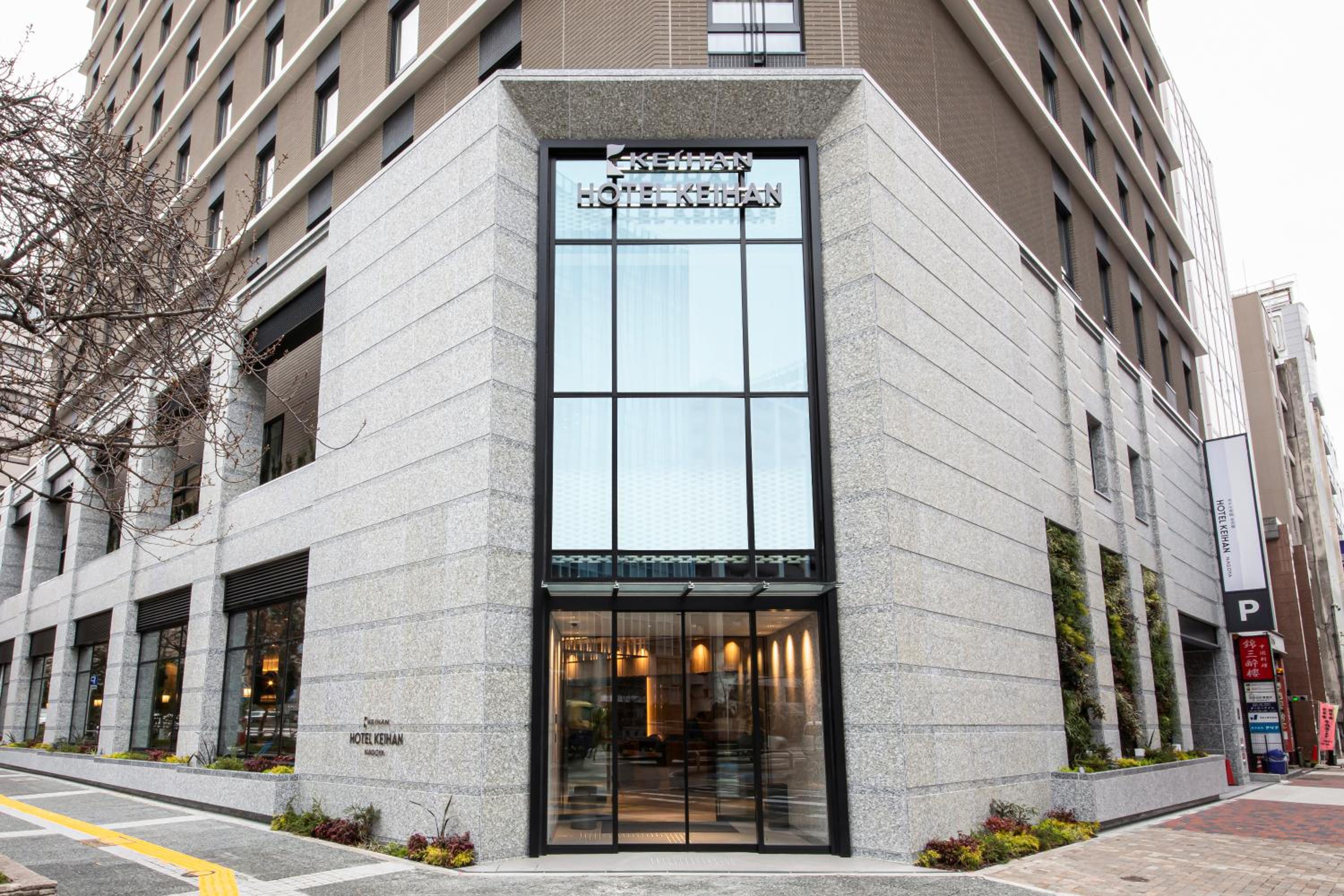
8. Hotel Keihan Nagoya — Nagoya · 4★ · 6,767 reviews · from ~£59/night. The most-reviewed hotel in this entire guide, with 6,767 verdicts behind it, and a four-star rate of about £59 a night close to Nagoya Station. Keihan is one of Japan's big railway hotel groups, which shows in the location and the consistency. Best for almost anyone: if you want the safest booking on this page, it is this one.
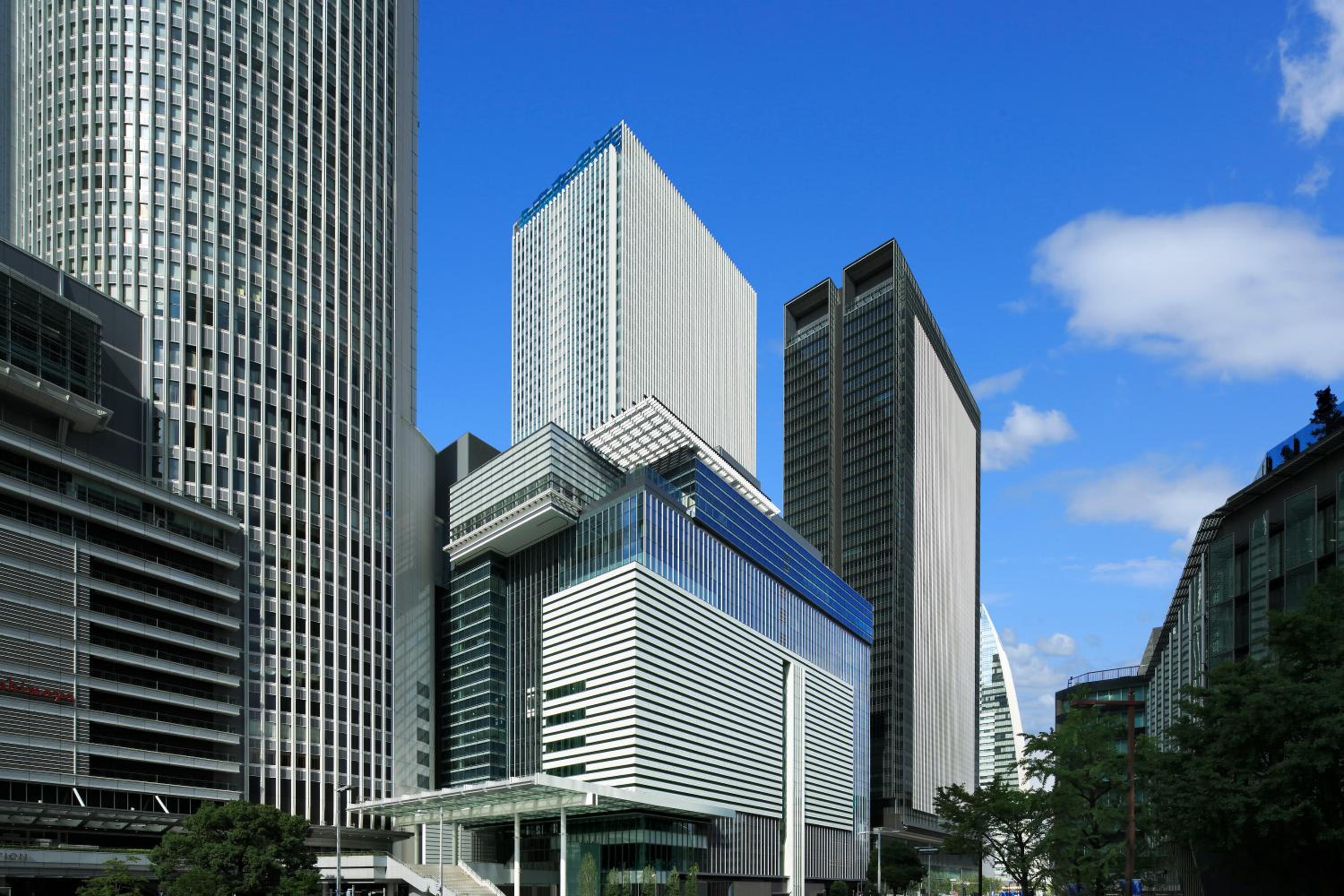
9. Nagoya JR Gate Tower Hotel — Nagoya · 4★ · 5,037 reviews · from ~£132/night. Inside the JR Gate Tower directly connected to Nagoya Station, with rooms high in the building above a shopping and restaurant complex. Over 5,000 reviews and an address you cannot better for train access. Best for travellers arriving late, leaving early, or day-tripping every day of their stay.
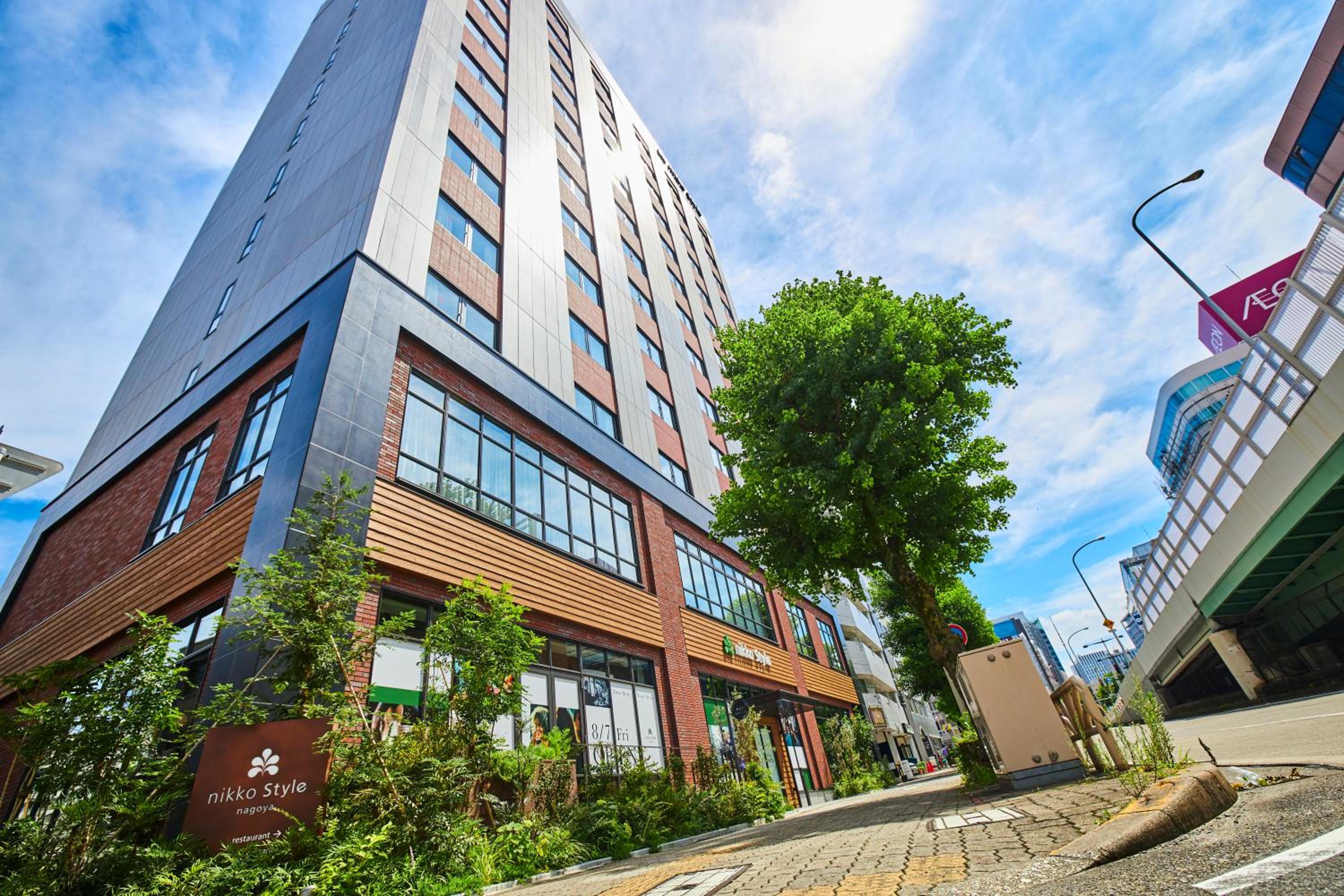
10. Nikko Style Nagoya — Nagoya · 4★ · 4,623 reviews · from ~£129/night. The design-led arm of the Okura Nikko group, a step away from the standard business-hotel formula with a lounge-style lobby and a more relaxed feel, near Nagoya Station. Big review count for a relatively recent property. Best for travellers who want a bit of style and a place to sit and work that is not the bed.
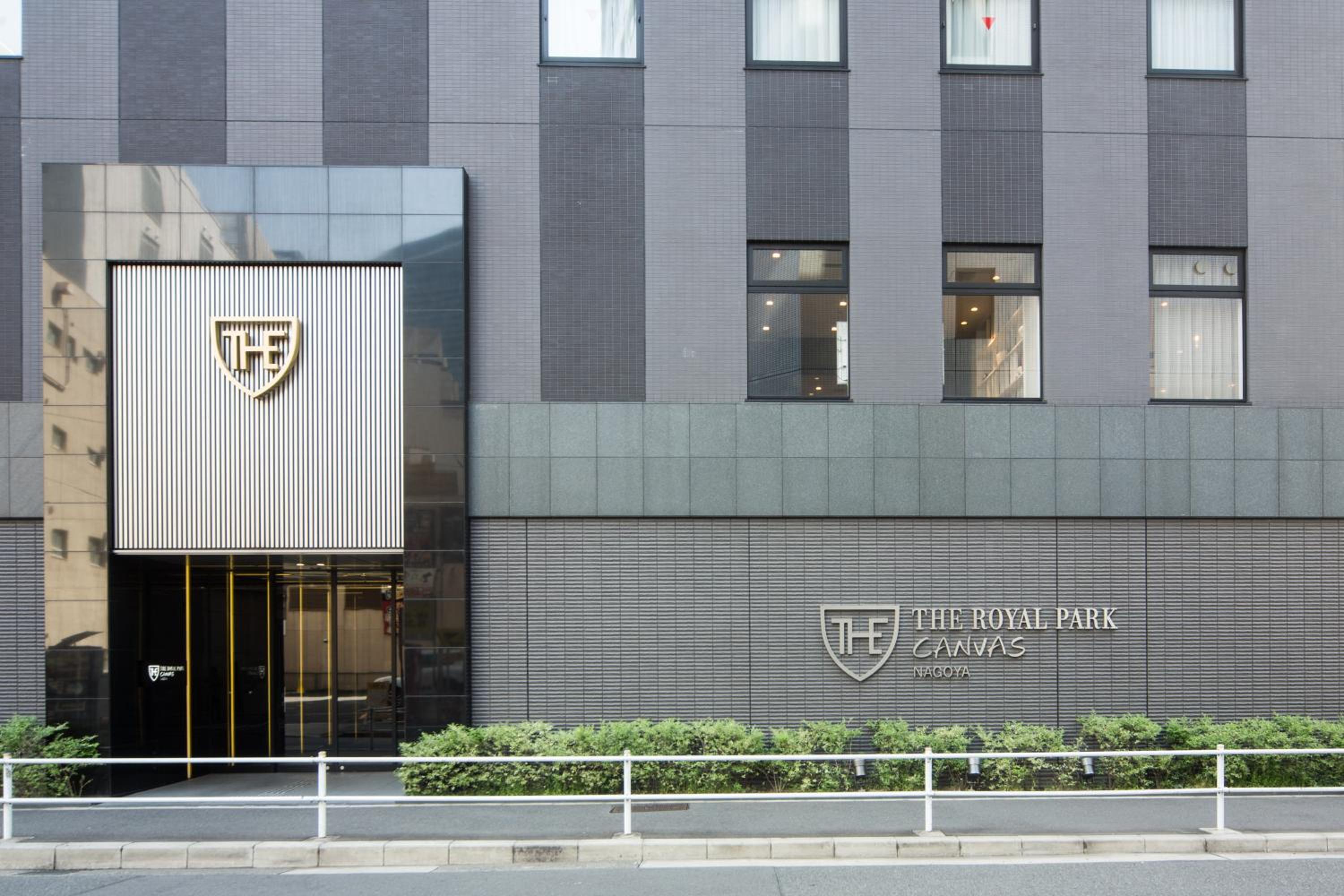
11. The Royal Park Canvas Nagoya — Nagoya · 4★ · 3,986 reviews · from ~£64/night. Nearly 4,000 reviews at about £64 a night makes this the second-best value in the mid tier after Keihan. Canvas is Royal Park's younger, lighter brand, aimed at travellers rather than salarymen. Best for couples and solo travellers who want four-star polish at close to business-hotel money.
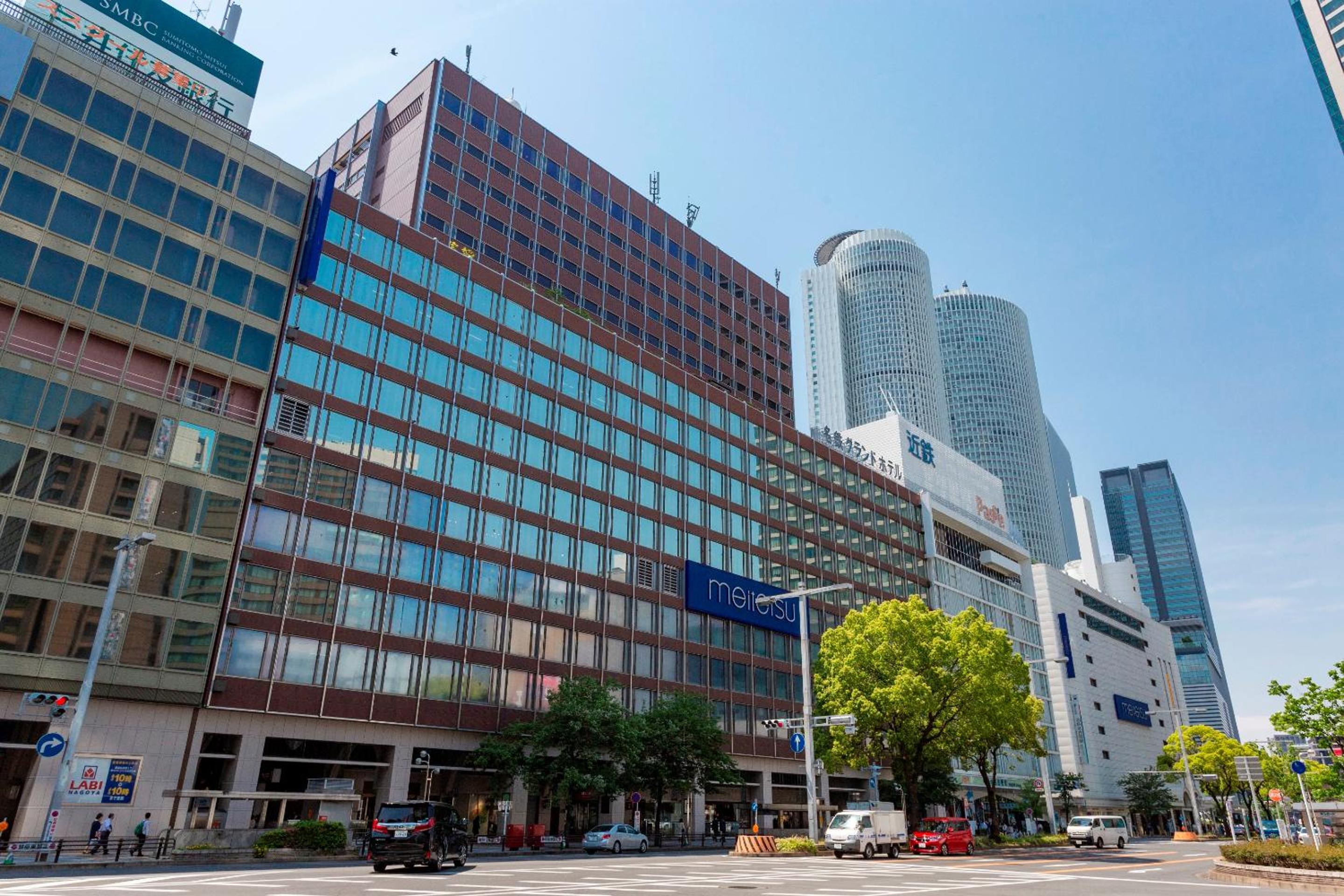
12. Meitetsu Grand Hotel — Nagoya · 4★ · 3,441 reviews · from ~£75/night. Sitting above the Meitetsu station complex at Nagoya Station, which means the airport train leaves from beneath your feet — genuinely useful if you are flying in or out of Centrair. Long-running, well-reviewed and sensibly priced at about £75. Best for airport arrivals and departures, and anyone who values a lift ride over a walk with luggage.
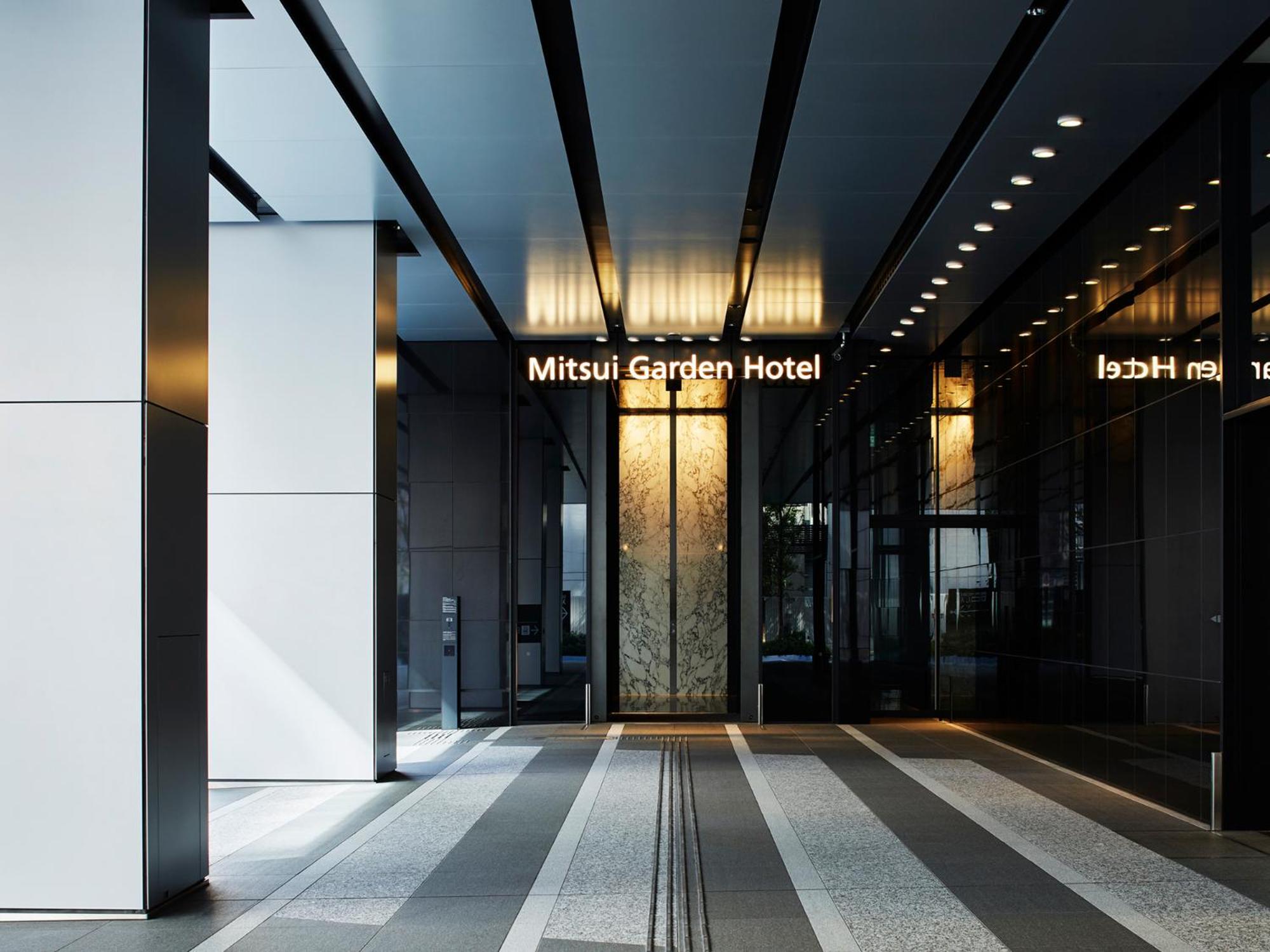
13. Mitsui Garden Hotel Nagoya Premier — Nagoya · 4★ · 3,404 reviews · from ~£116/night. Mitsui Garden's Premier tier, which in Japan generally means larger rooms and a communal bath high in the building with a view over the city — the best possible end to a day of walking. Central, well reviewed and reliably run. Best for travellers who want the Japanese hotel bath experience without booking a ryokan.
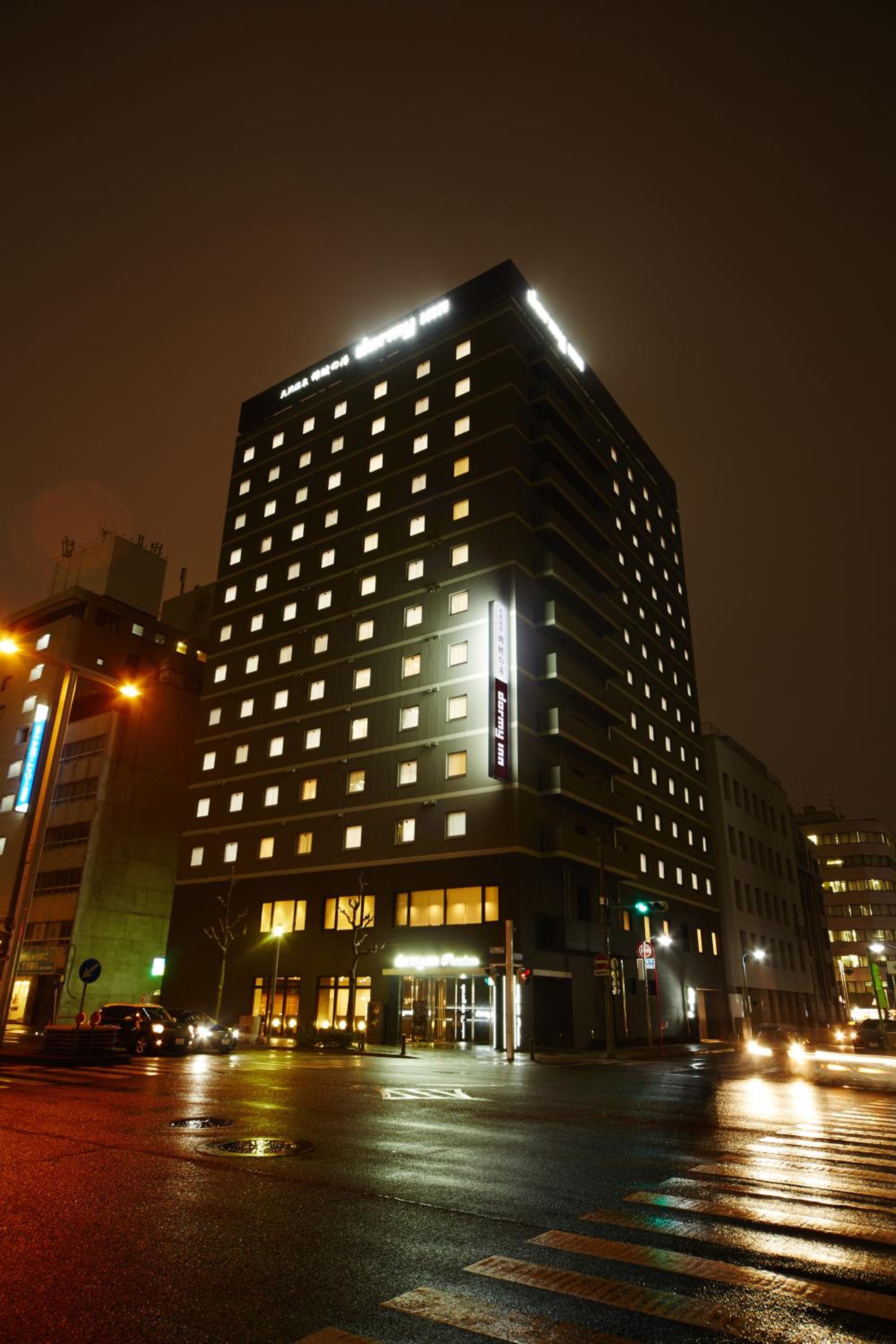
14. Dormy Inn Premium Nagoya Sakae — Nagoya · 4★ · 2,489 reviews · from ~£101/night. Dormy Inn is the chain Japan-savvy travellers book on sight: hot-spring-style communal baths, and free late-night noodles served in the lobby as standard. This is the Premium tier in Sakae, so you are in the middle of the restaurants and bars. Best for repeat visitors to Japan who know exactly what the Dormy formula delivers.
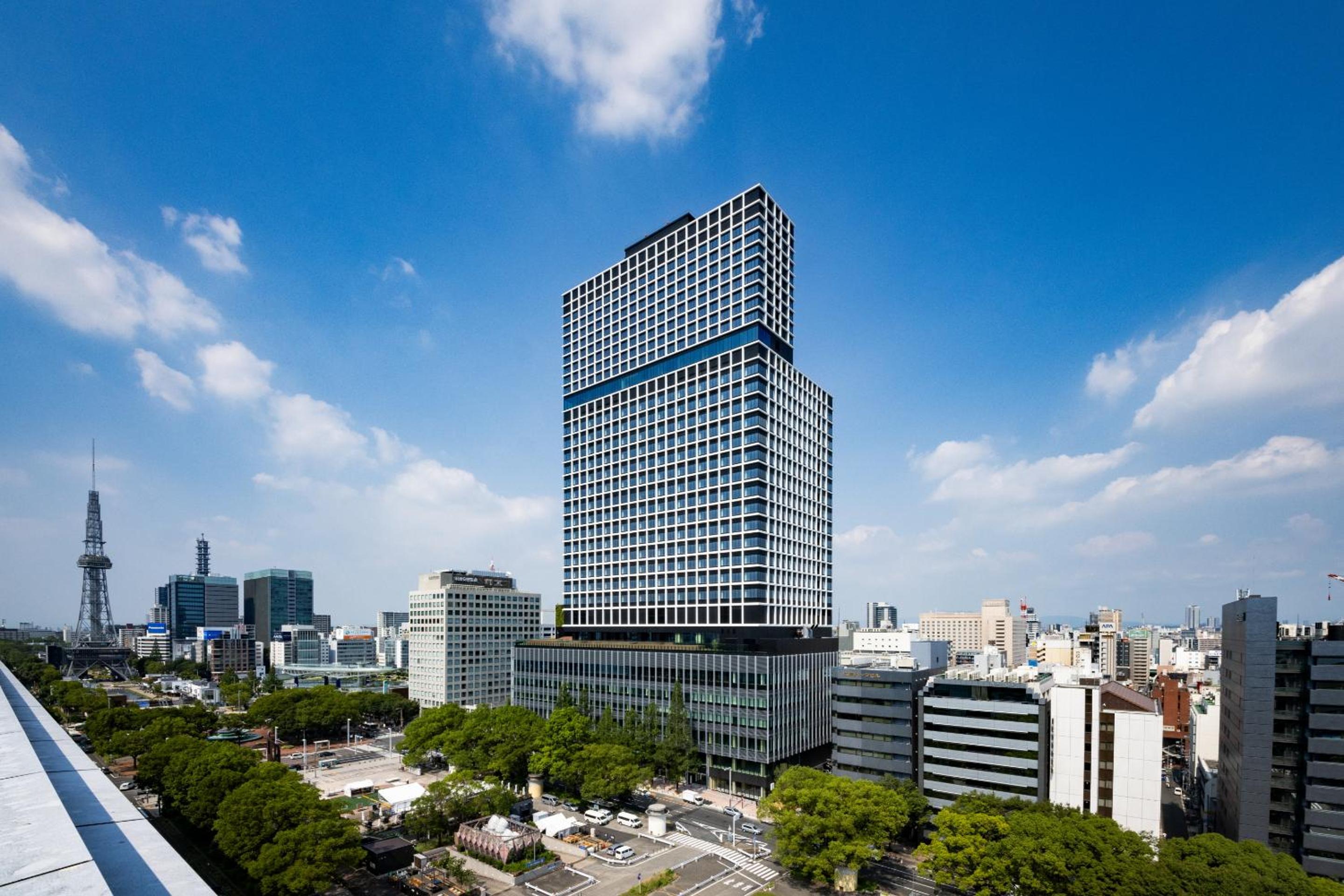
15. The Royal Park Hotel Iconic Nagoya — Nagoya · 4★ · 2,162 reviews · from ~£156/night. The upper Iconic tier of the Royal Park group and the priciest four-star here, a newer central property with larger rooms and a more hotel-like lobby than the business chains. Over 2,000 reviews already. Best for travellers who want near-luxury finish without stepping into the five-star tier.
16. Vessel Hotel Campana Nagoya — Nagoya · 4★ · 1,365 reviews · from ~£95/night. Vessel is a mid-market Japanese chain with a good reputation for value, and its Campana properties tend to come with a large communal bath and a generous breakfast — check what is included on your dates. Solid reviews and a fair rate at about £95. Best for travellers who want more room and more facilities than a standard business hotel gives.
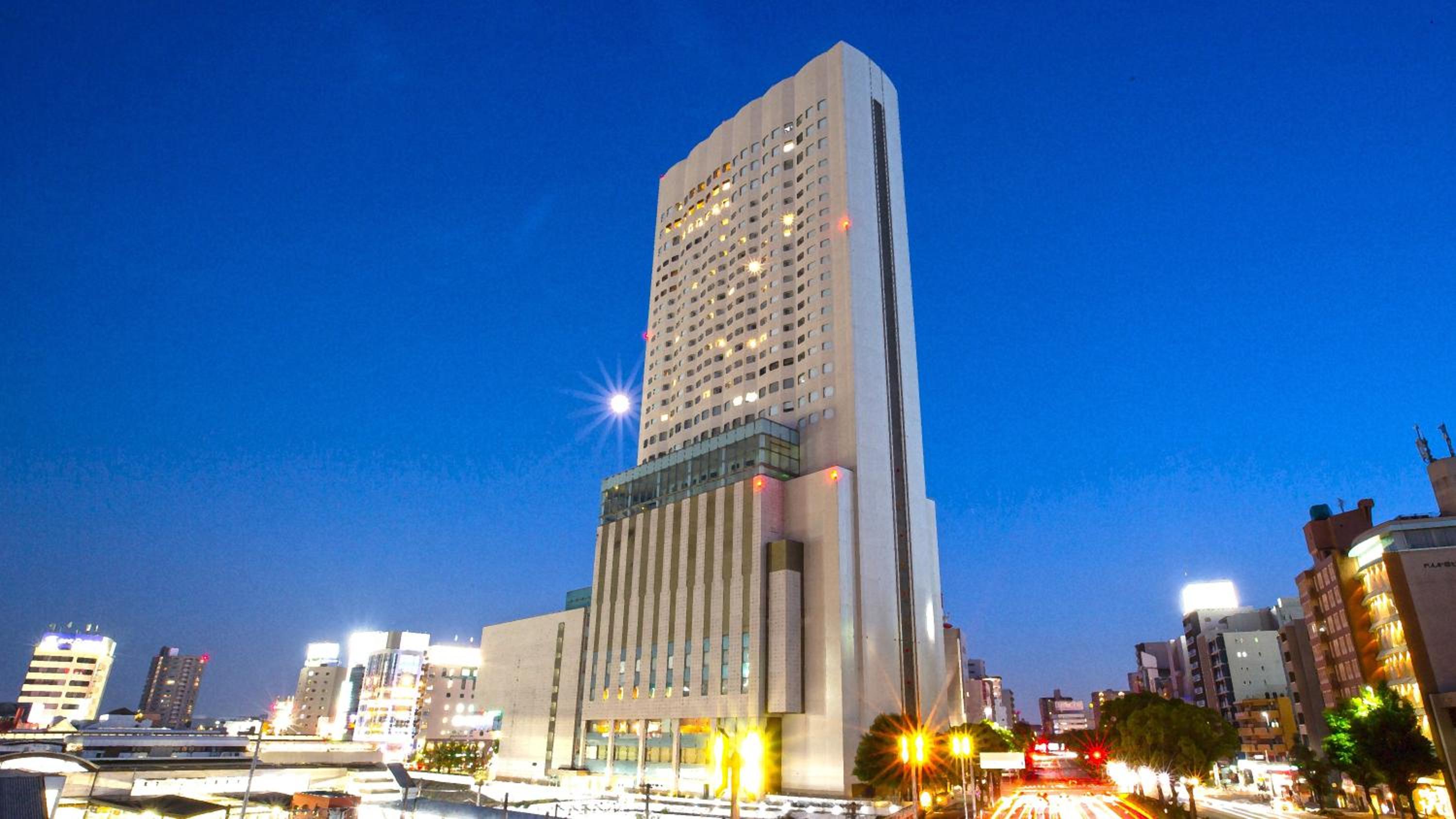
17. ANA Crowne Plaza Hotel Grand Court Nagoya by IHG — Nagoya · 4★ · 973 reviews · from ~£98/night. A large full-service hotel at Kanayama, the transport hub one stop south of Nagoya Station where the subway, the JR lines and the direct airport train all meet. IHG points, multiple restaurants and a quieter setting than Meieki. Best for early flights out of Centrair and travellers who want a proper hotel rather than a business box.
See all Nagoya stays · compare flights to Nagoya (NGO)
Cheap Hotels in Nagoya — 49 Real, Bookable Options From £36
Thirty-two budget properties, every one of them real and individually bookable, running from about £36 to £55 a night. Almost all are Japanese business hotels, which is the single best-value accommodation category in the world: the room will be small, sometimes startlingly so, but it will be spotless, quiet, en-suite and on a subway line. A few capsule hotels and one hostel are in here too. Prices below are live from-rates pulled while writing.
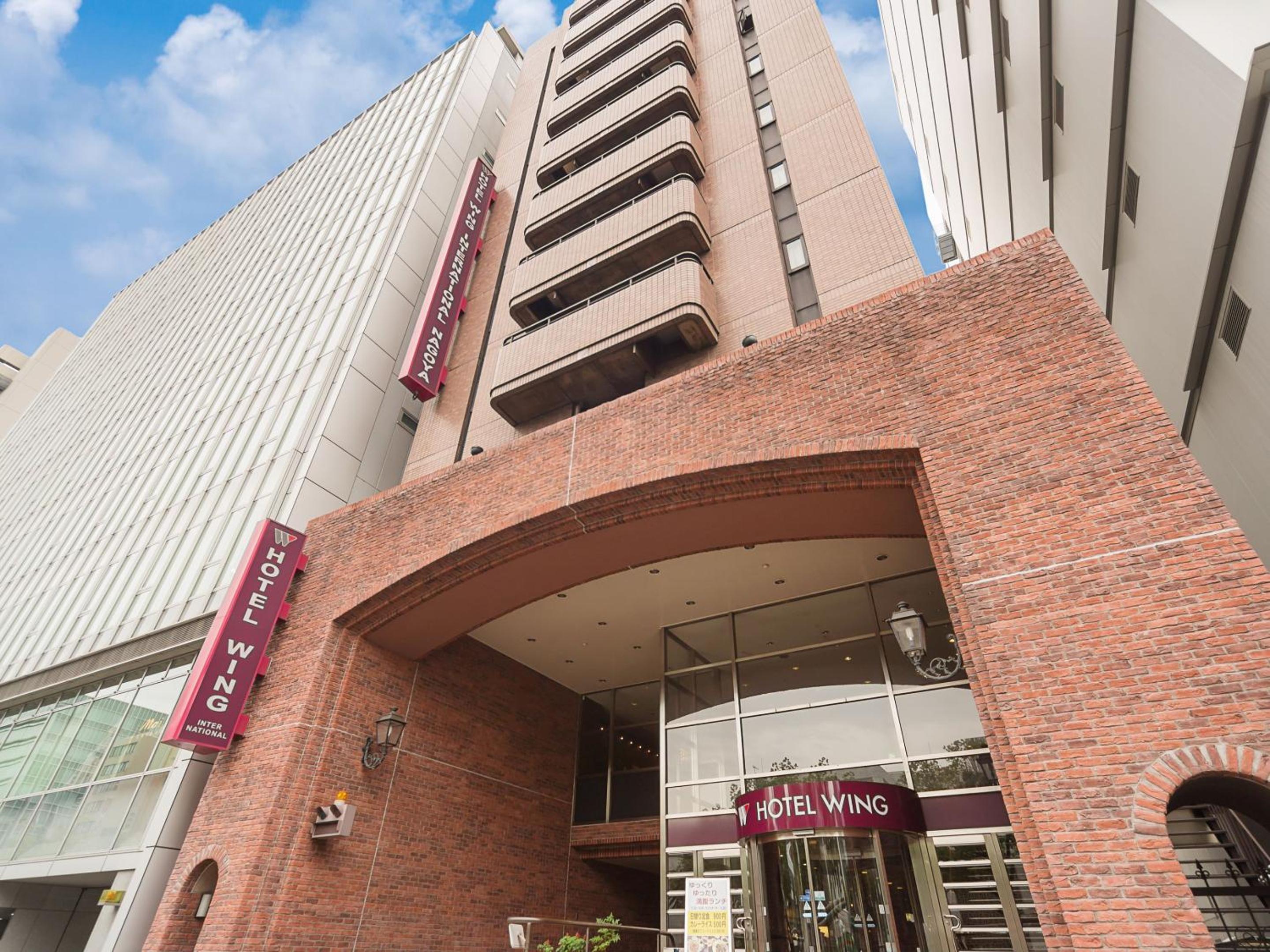
18. KOKO HOTEL Nagoya Marunouchi - formerly Hotel Wing International Nagoya — Nagoya · 3★ · 3,228 reviews · from ~£36/night. The cheapest room in this guide and one of the best-reviewed, with 3,228 verdicts behind it — that combination is rare at any price. KOKO is the rebranded Hotel Wing International estate, refurbished and repositioned, and this one sits in Marunouchi, the business district one subway stop from both Nagoya Station and Fushimi. Best for anyone who wants the lowest rate on the page without gambling on an unknown property.
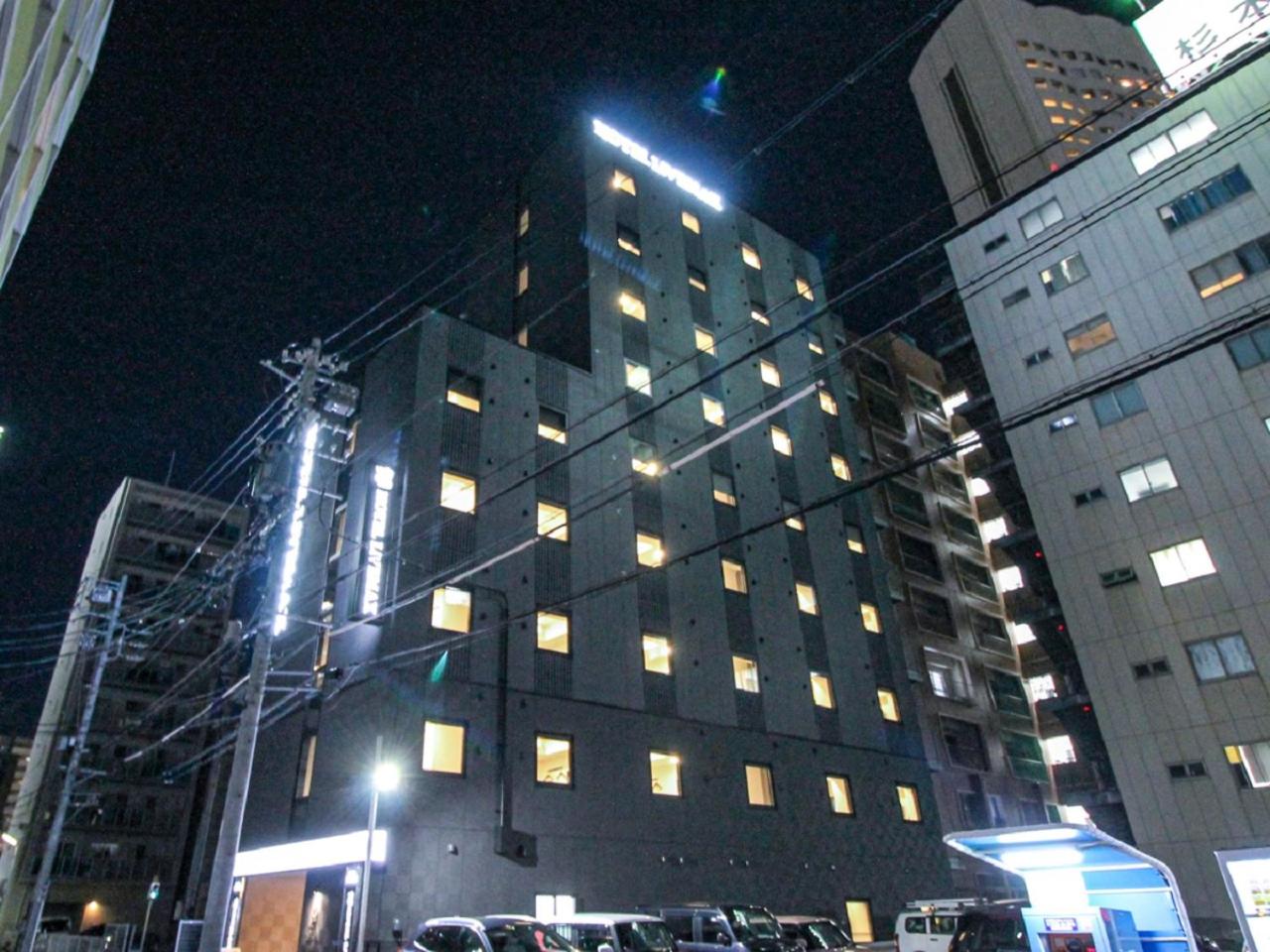
19. HOTEL LiVEMAX Nagoya Kanayama — Nagoya · 3★ · 1,359 reviews · from ~£37/night. LiVEMAX is Japan's no-frills budget chain — compact rooms, minimal reception, very low rates — and this branch is at Kanayama, the hub where the subway, JR and the direct Centrair airport train all meet. Over 1,300 reviews at £37 a night. Best for early or late flights and travellers who only need the room for sleeping.
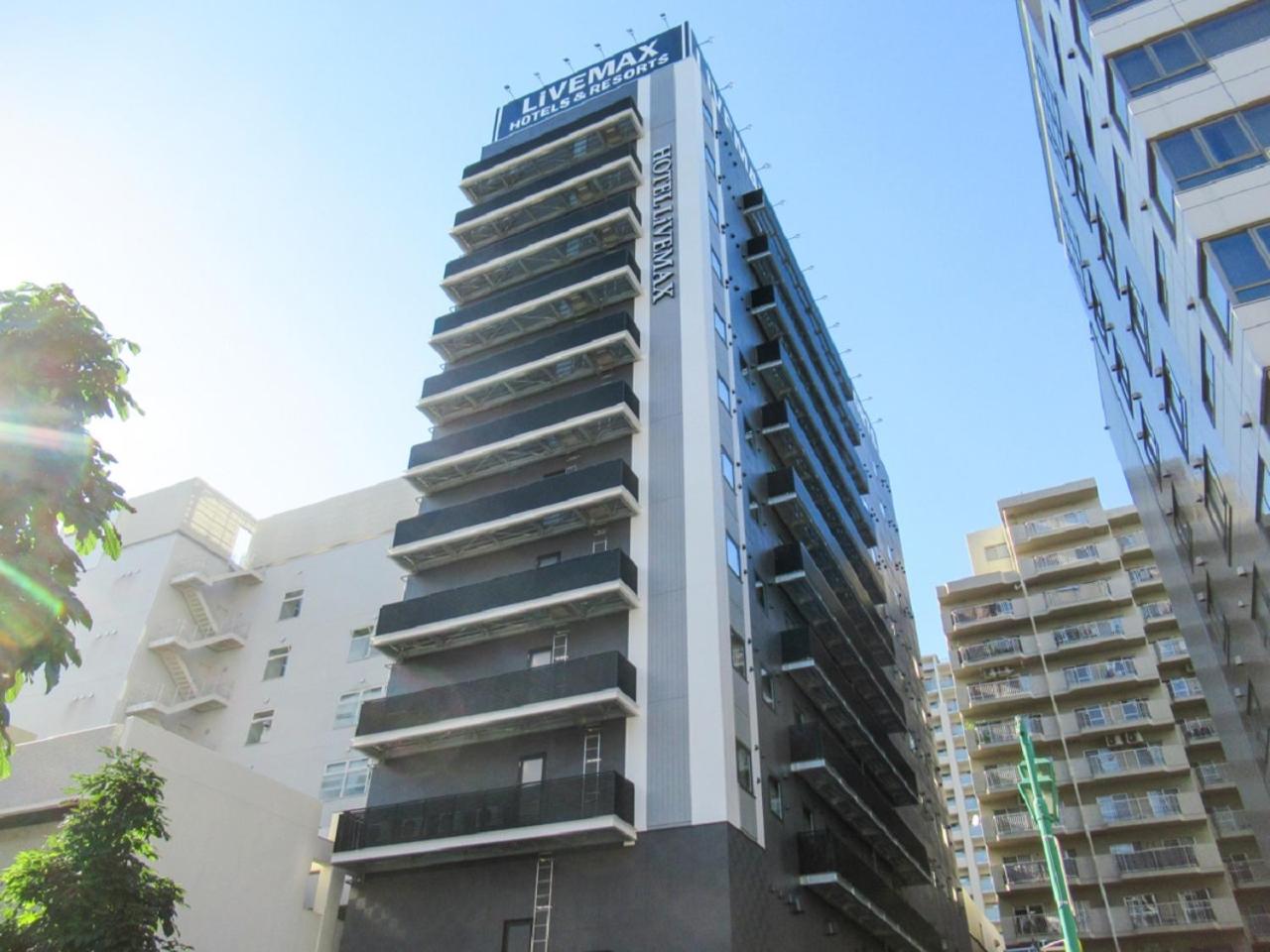
20. HOTEL LiVEMAX PREMIUM Nagoya Marunouchi — Nagoya · 3★ · 1,489 reviews · from ~£37/night. The Premium line within LiVEMAX, which generally means a newer building and slightly more room than the standard branches, here in central Marunouchi. Nearly 1,500 reviews at a £37 rate. Best for budget travellers who want the chain's price but a fresher fit-out.
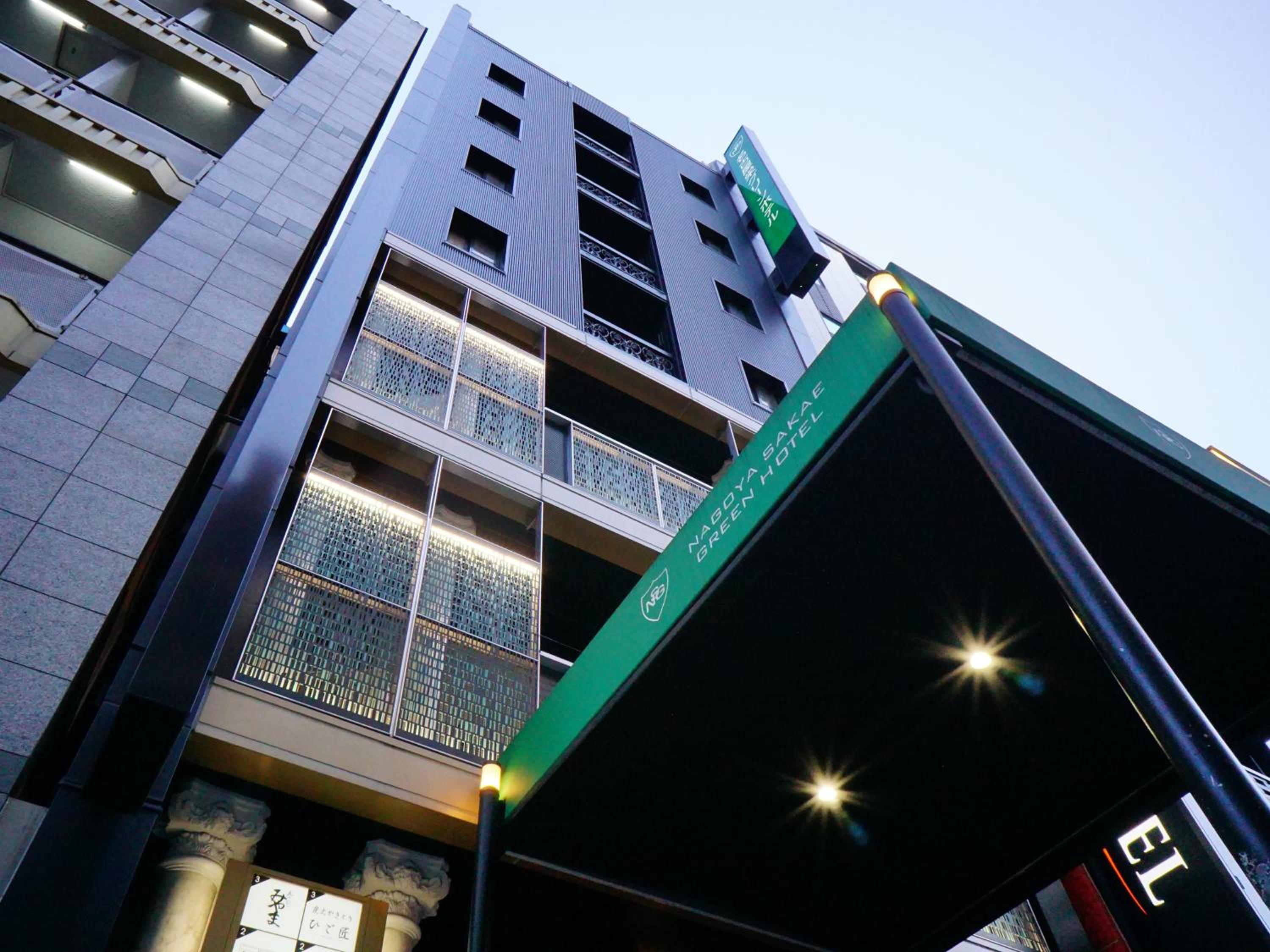
21. Nagoya Sakae Green Hotel — Nagoya · 3★ · 358 reviews · from ~£39/night. An independent business hotel in Sakae, which is the interesting part: £39 a night in the middle of the city's eating and drinking district is genuinely cheap for the location. Small, straightforward rooms with a decent review record. Best for travellers who want to walk home from dinner rather than take the subway.
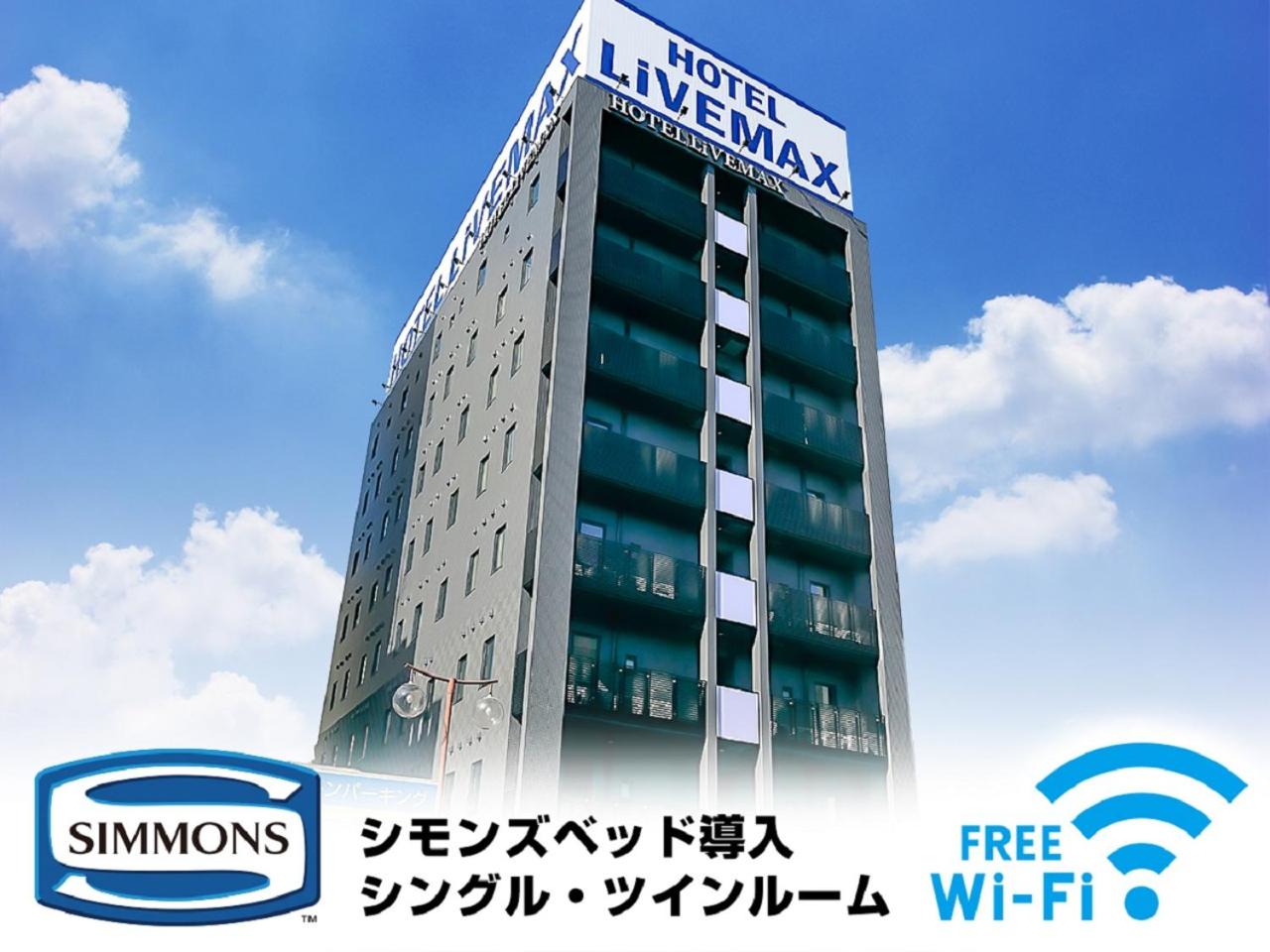
22. HOTEL LiVEMAX Nagoya Sakae East — Nagoya · 3★ · 181 reviews · from ~£39/night. The Sakae branch of the LiVEMAX chain, on the eastern side of the district and a short walk from the bars, arcades and Hisaya-odori Park. Fewer reviews than the bigger branches but the same predictable formula. Best for a cheap bed in the nightlife district with no expectations beyond that.
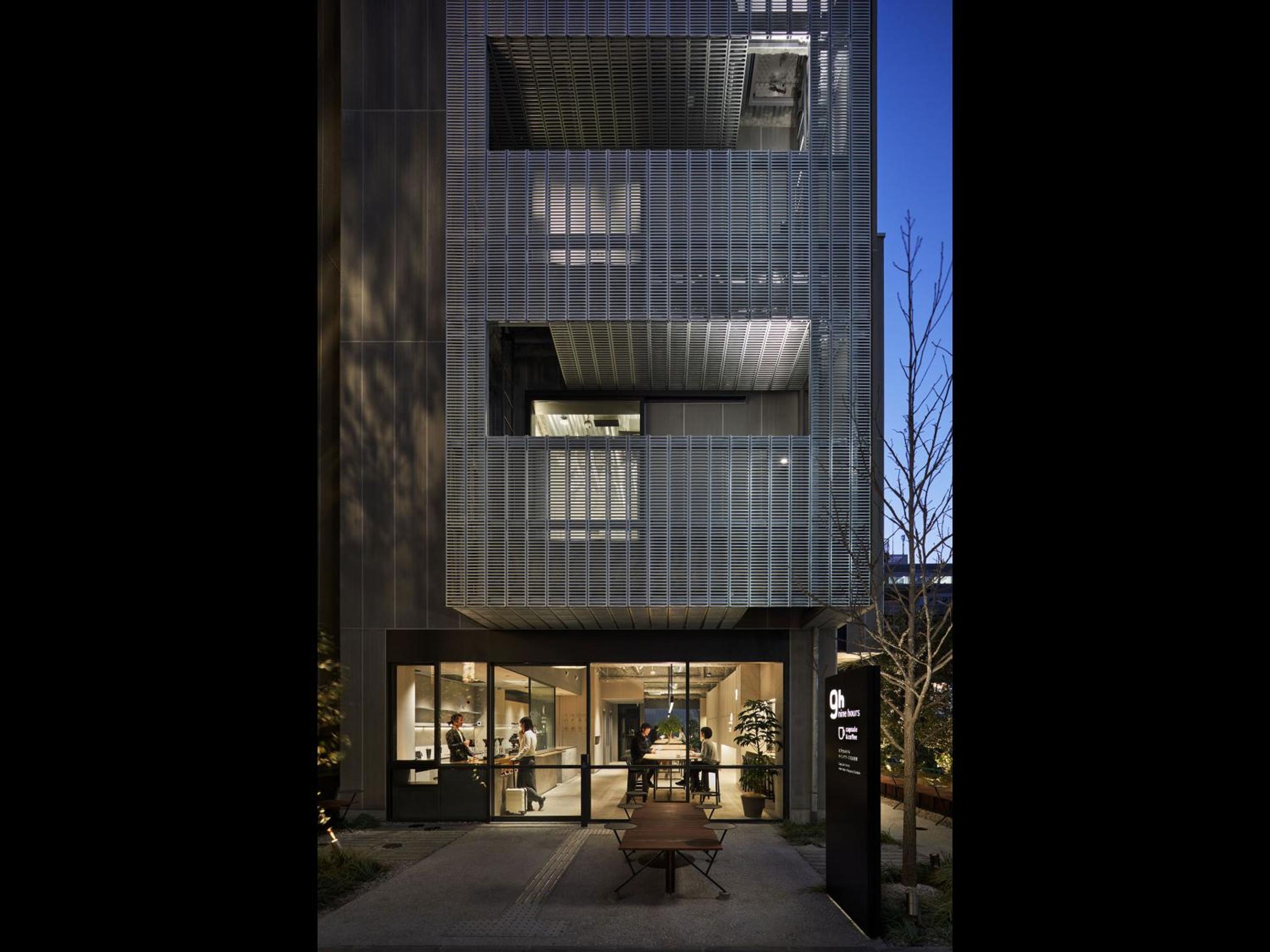
23. 9h nine hours Nagoya station — Nagoya · 2★ · 6,558 reviews · from ~£40/night. With 6,558 reviews this is the most-reviewed property in the entire guide, budget or not. It is a capsule hotel, and specifically the design-led 9h chain built around the idea of nine hours: an hour to shower, seven to sleep, an hour to get ready. Sleeping pods rather than rooms, immaculate shared facilities, and it is right by Nagoya Station. Best for solo travellers and one-night stopovers who want the Japanese capsule experience done properly.
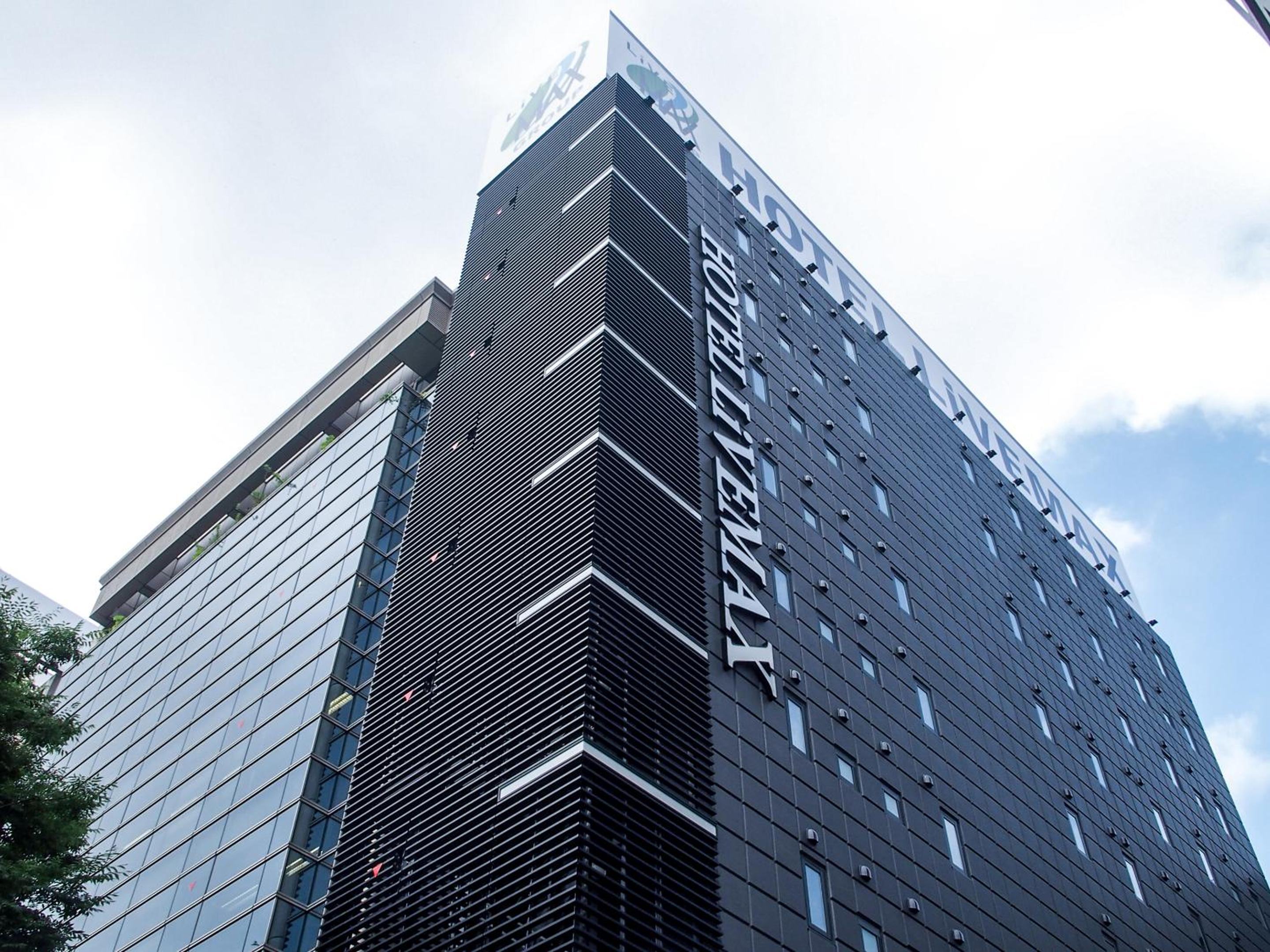
24. HOTEL LiVEMAX Meieki — Nagoya · 3★ · 104 reviews · from ~£40/night. Meieki is what locals call the Nagoya Station district, so this puts you within walking distance of the shinkansen platforms for £40 a night. Standard LiVEMAX compact rooms and a small review count. Best for day-trippers who will be on a train first thing every morning.
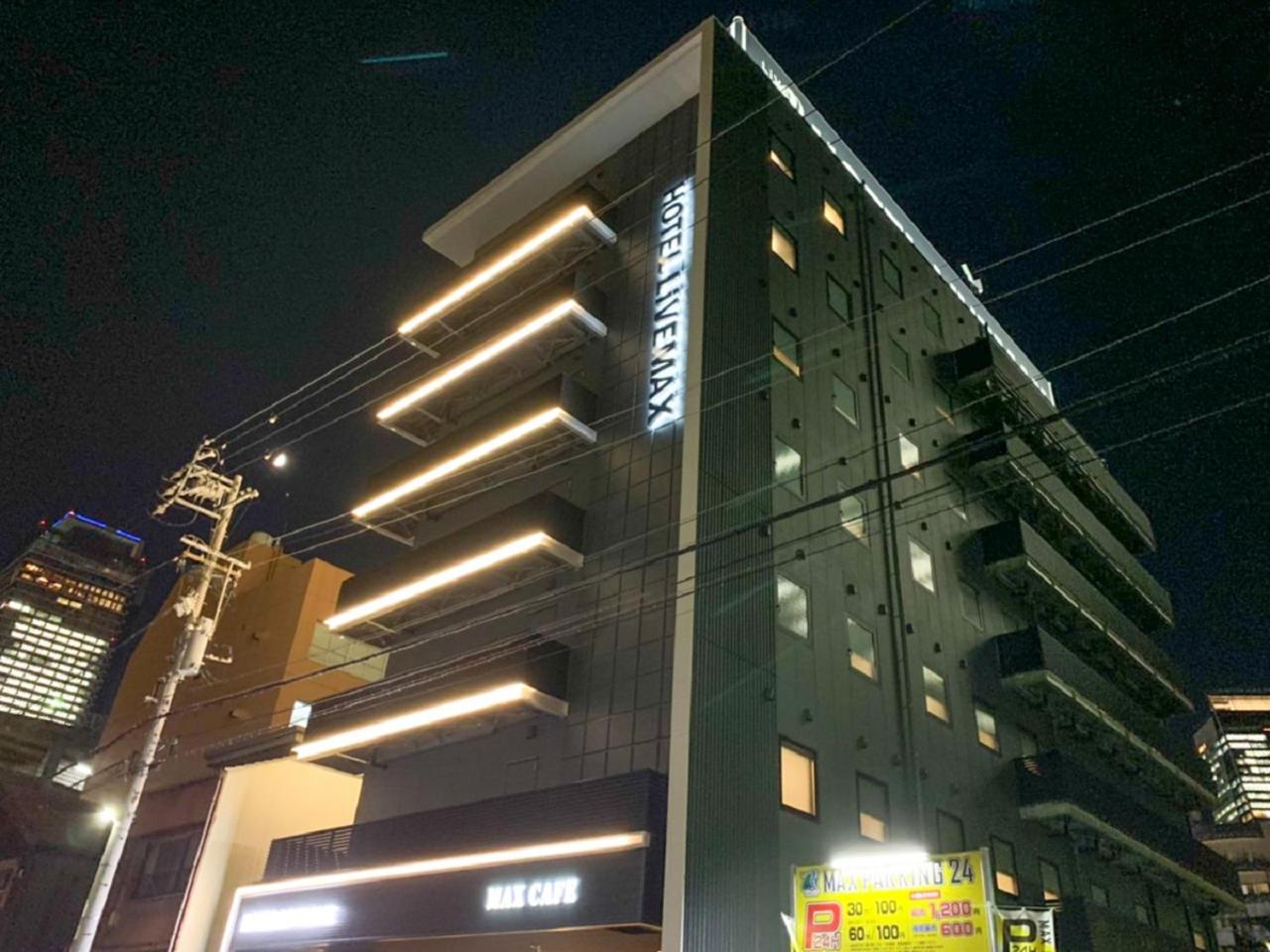
25. HOTEL LiVEMAX Nagoya Sakuradoriguchi — Nagoya · 3★ · 745 reviews · from ~£40/night. Named for the Sakura-dori exit of Nagoya Station, on the quieter side of the building away from the main concourse crush. 745 reviews, and the same low chain rate. Best for travellers who want station access without paying tower-hotel prices for it.
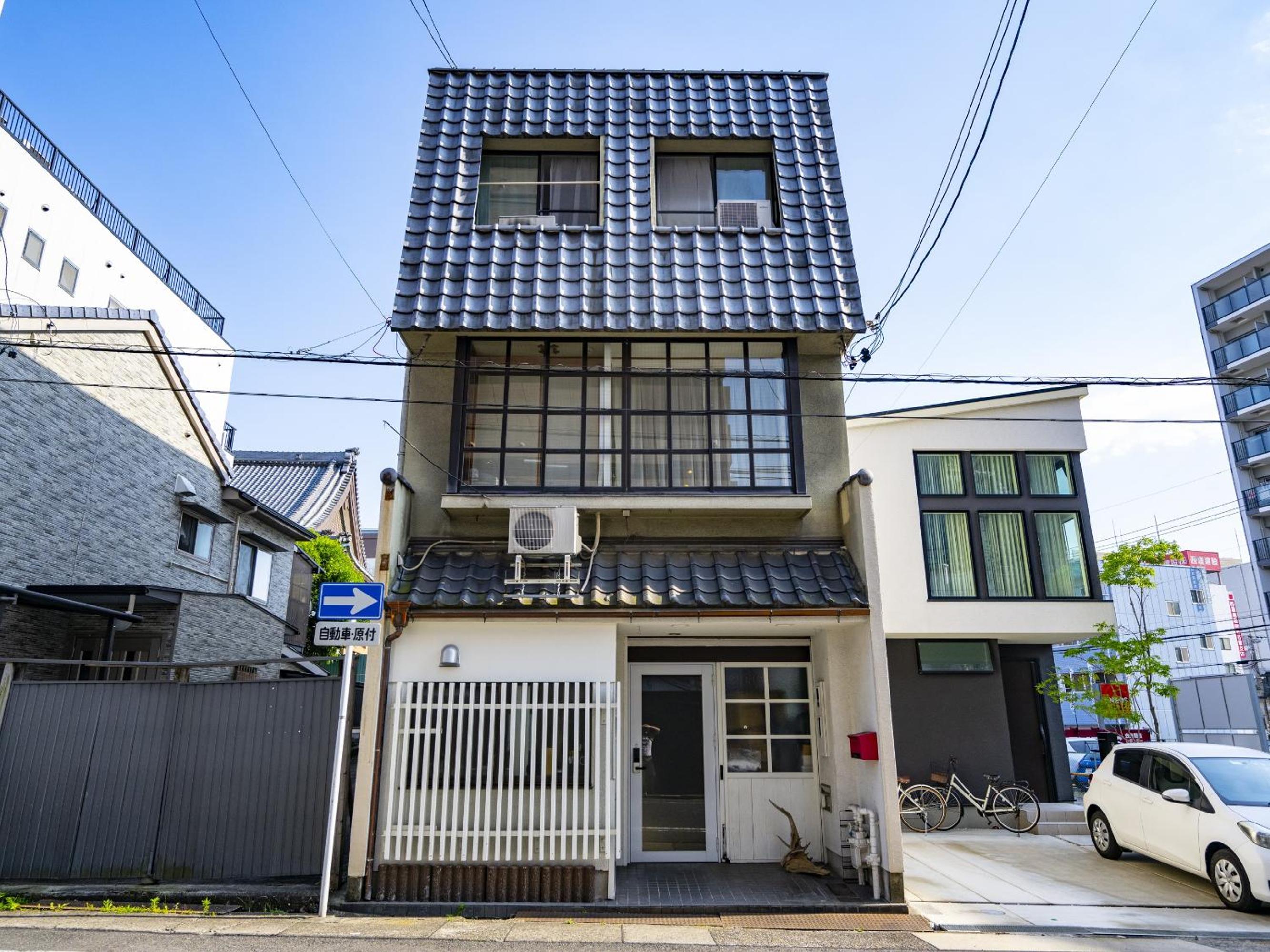
26. Usatsuno Osu — Nagoya · unrated · 335 reviews · from ~£42/night. A small independent stay in Osu, the covered-arcade district where second-hand shops, electronics stalls, street food and the Osu Kannon temple all sit within a few blocks — the most characterful neighbourhood in Nagoya to wake up in. It carries no formal star rating, so judge it on its 335 reviews rather than the stars. Best for travellers who would rather stay somewhere with a personality than in a business block.
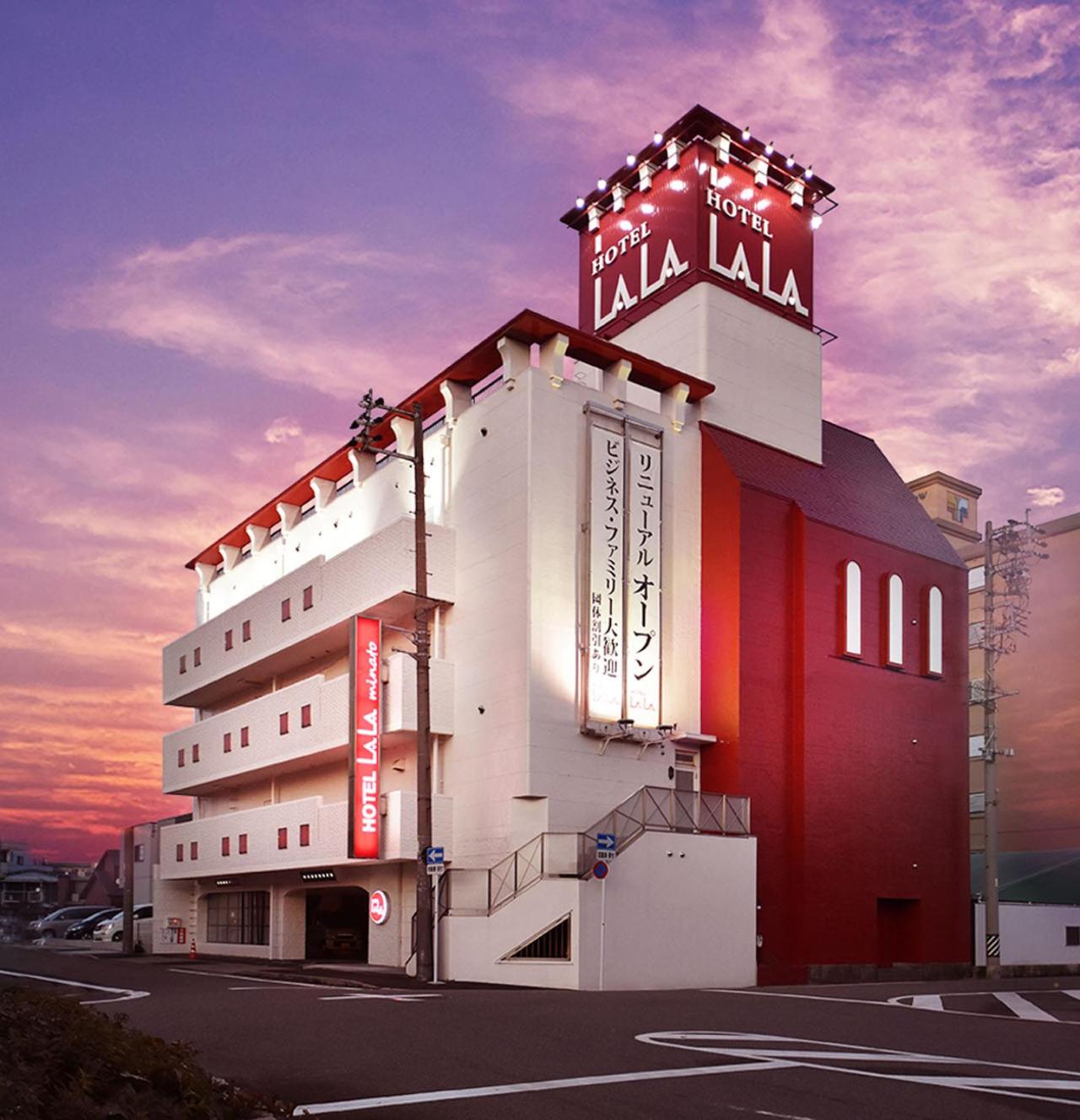
27. Hotel LALA minato - Adult Only — Nagoya · 2★ · 55 reviews · from ~£43/night. An adults-only property in the Minato port ward, out towards Legoland and the SCMaglev and Railway Park. Hotels in this category in Japan typically offer large, well-equipped rooms at low rates but are aimed squarely at couples — no children, and a check-in style that differs from a standard hotel. Best for couples who want space for the money and know what they are booking.
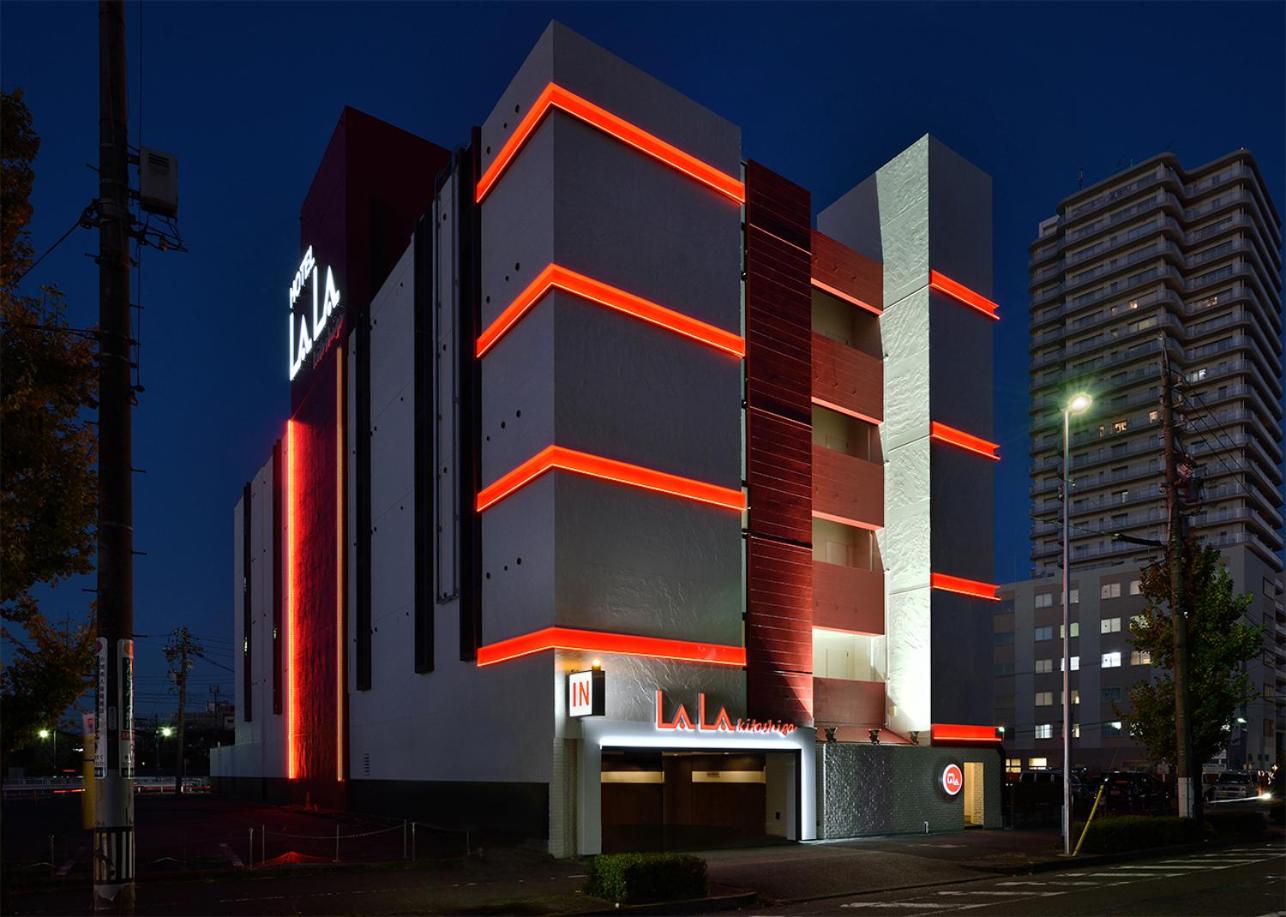
28. Hotel LALA - Kitashiga - (Adult Only) — Nagoya · unrated · 212 reviews · from ~£43/night. The northern sibling of the property above, again adults-only and again offering more room than a £43 business hotel would. 212 reviews and no star rating. Best for couples with a car or on the subway who want size over centrality — and not a booking for families.
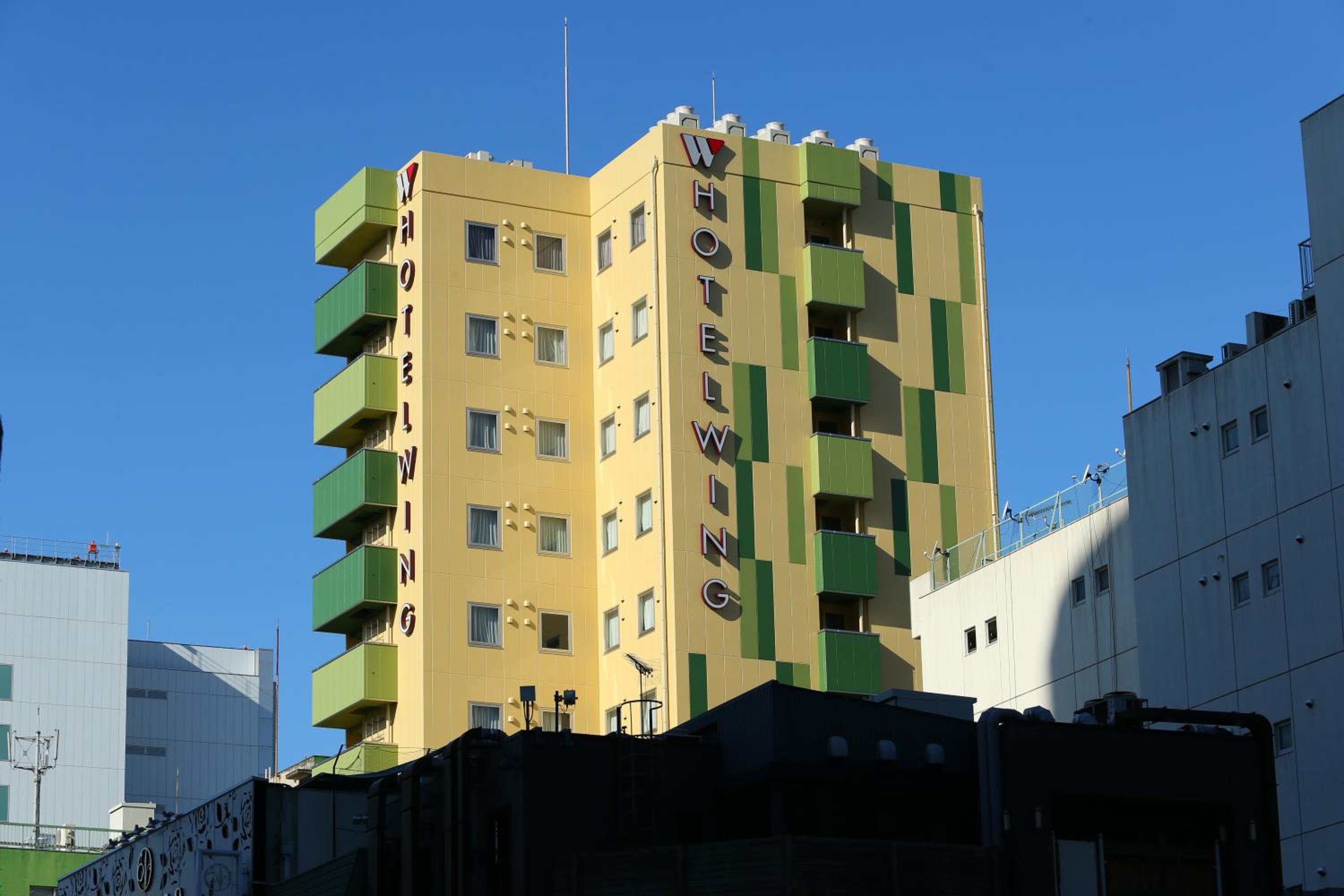
29. KOKO HOTEL Nagoya Sakae South - formerly Hotel Wing International Select Nagoya Sakae — Nagoya · 3★ · 1,953 reviews · from ~£44/night. The Sakae branch of the refurbished KOKO estate, with nearly 2,000 reviews and a £44 rate in the heart of the nightlife and shopping district. Same clean, updated business rooms as its Marunouchi sibling, a few pounds more for the better address. Best for travellers who want Sakae on their doorstep and a chain they can trust.
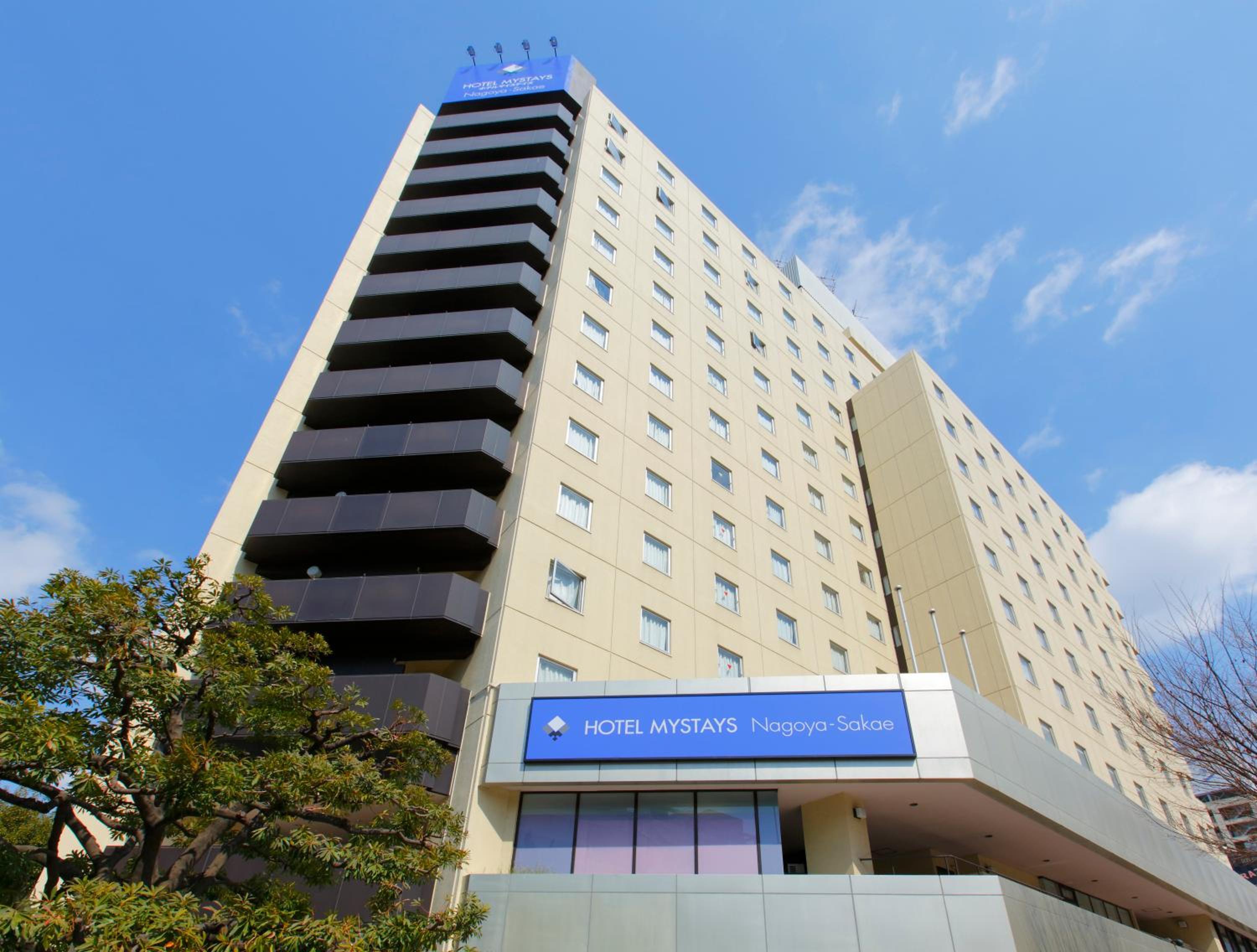
30. HOTEL MYSTAYS Nagoya Sakae — Nagoya · 3★ · 2,232 reviews · from ~£44/night. MYSTAYS is one of the largest budget hotel groups in Japan and this Sakae branch has over 2,200 reviews behind it at £44. Compact, dependable rooms, subway at the door and a convenience store never more than a minute away. Best for first-time visitors who want a proven chain in the busiest part of town.
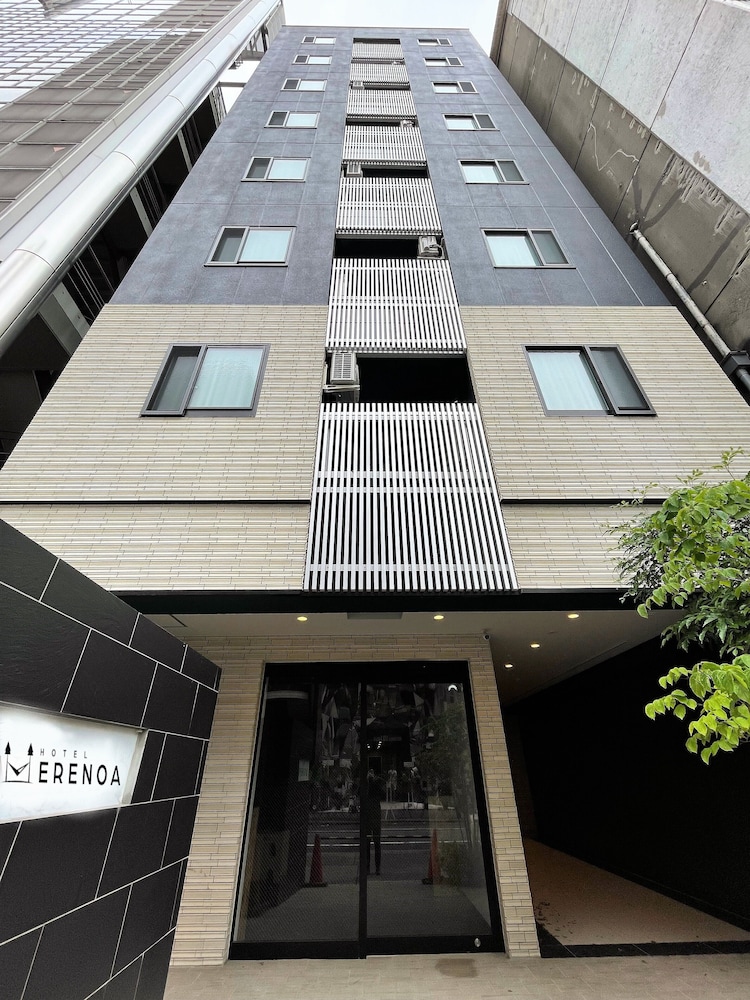
31. HOTEL ERENOA — Nagoya · 3★ · 167 reviews · from ~£44/night. A smaller independent hotel with a modest but real set of reviews, priced in the same £44 band as the big chains. Worth opening the live page for the photos and recent feedback before you decide, as you would with any independent. Best for travellers happy to look past the familiar chain names for something a little different.
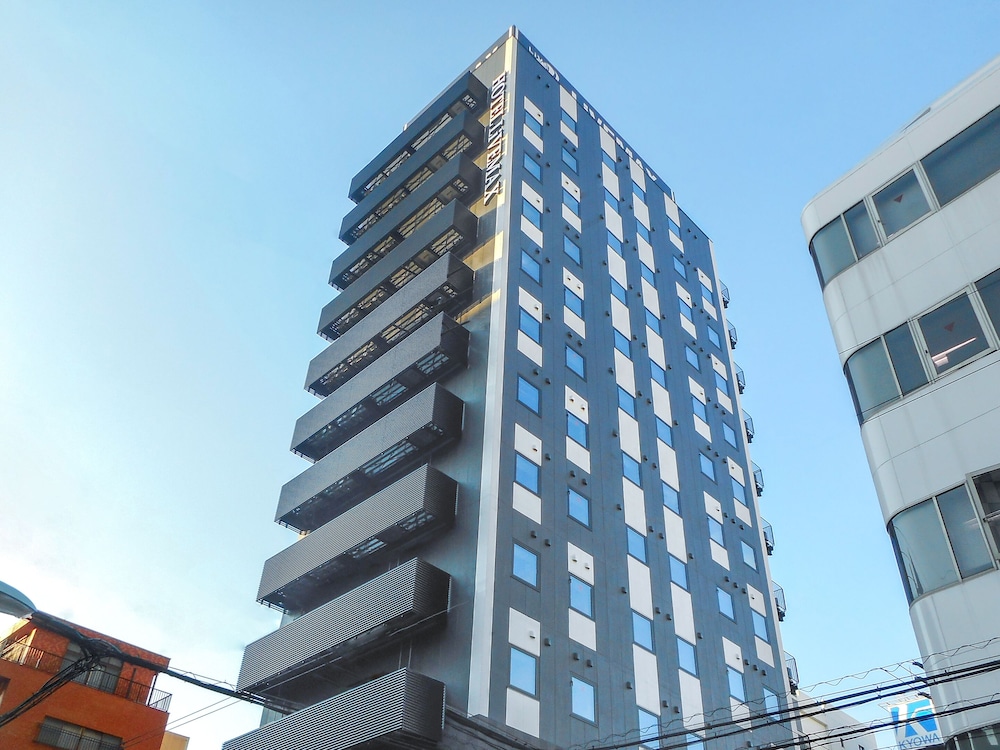
32. Hotel LiveMax Nagoya-Shinkansenguchi — Nagoya · 2★ · 63 reviews · from ~£44/night. Named for the shinkansen exit of Nagoya Station, which tells you everything about who it is for: bullet-train platforms are a few minutes on foot. Small review count, standard LiVEMAX compact format. Best for travellers building a trip around the Tokaido line who want the shortest possible walk to it.
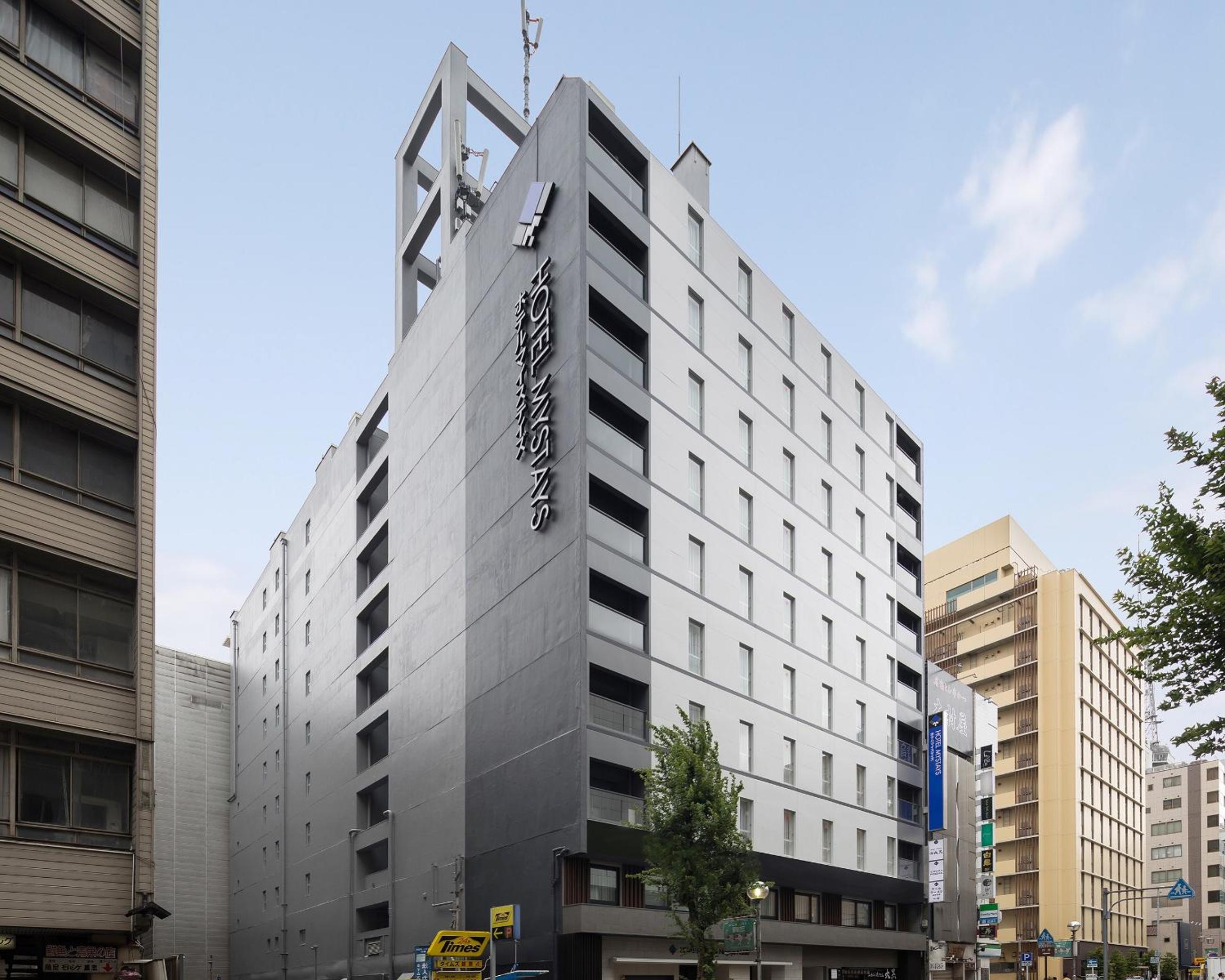
33. Hotel Mystays Nagoya Nishiki — Nagoya · 3★ · 1,900 reviews · from ~£45/night. The second MYSTAYS on this list, in Nishiki — the drinking and dining quarter that runs alongside Sakae and comes alive after dark. 1,900 reviews at £45. Best for travellers whose evenings matter as much as their days and who want to stagger home rather than catch a last train.
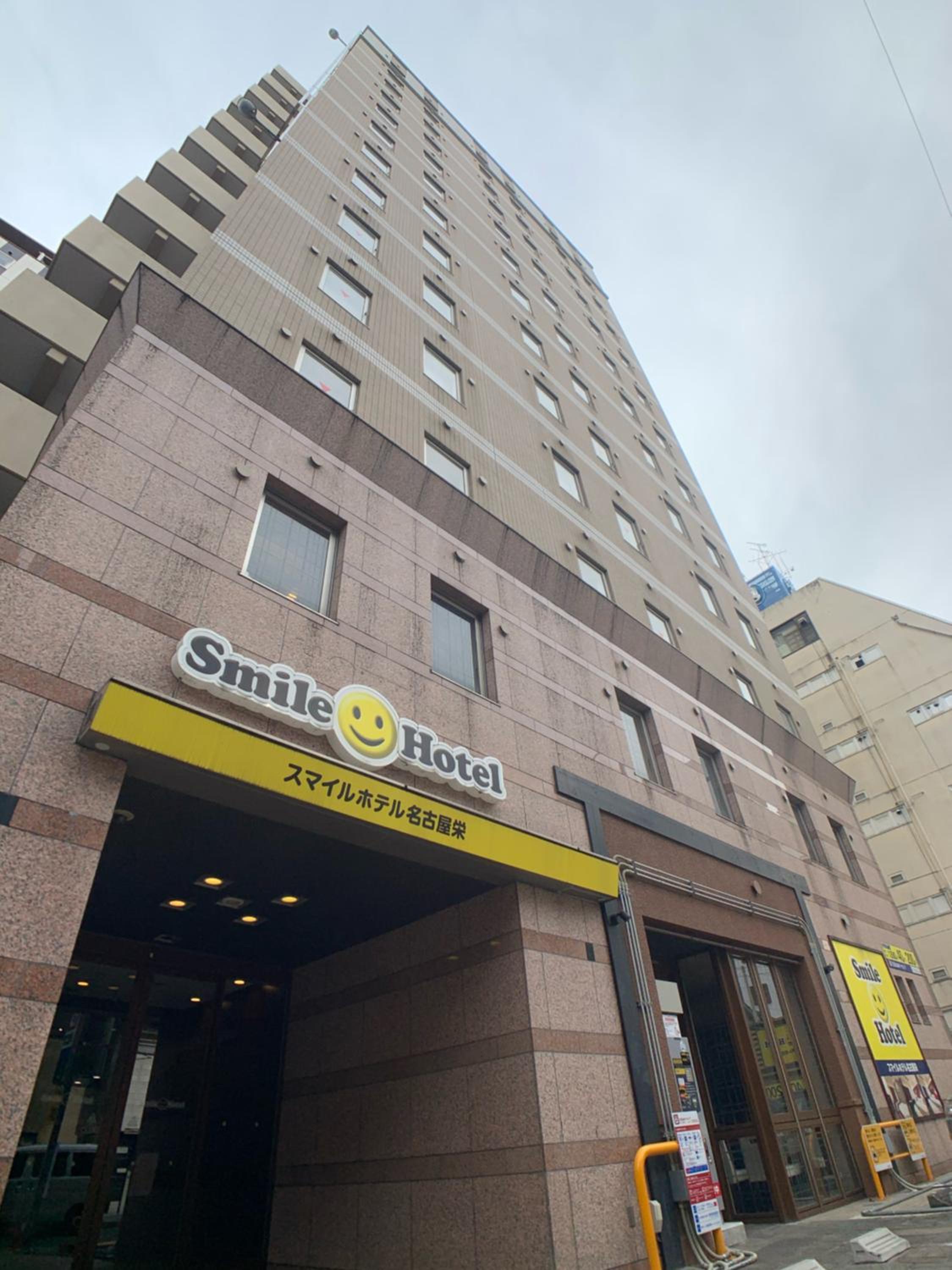
34. Smile Hotel Nagoya Sakae — Nagoya · 3★ · 878 reviews · from ~£47/night. Smile Hotel is another of the big Japanese budget chains, and this Sakae branch delivers exactly what the name suggests: simple, tidy, unremarkable rooms in a good spot at a fair price. 878 reviews at £47. Best for travellers who want no surprises in either direction.
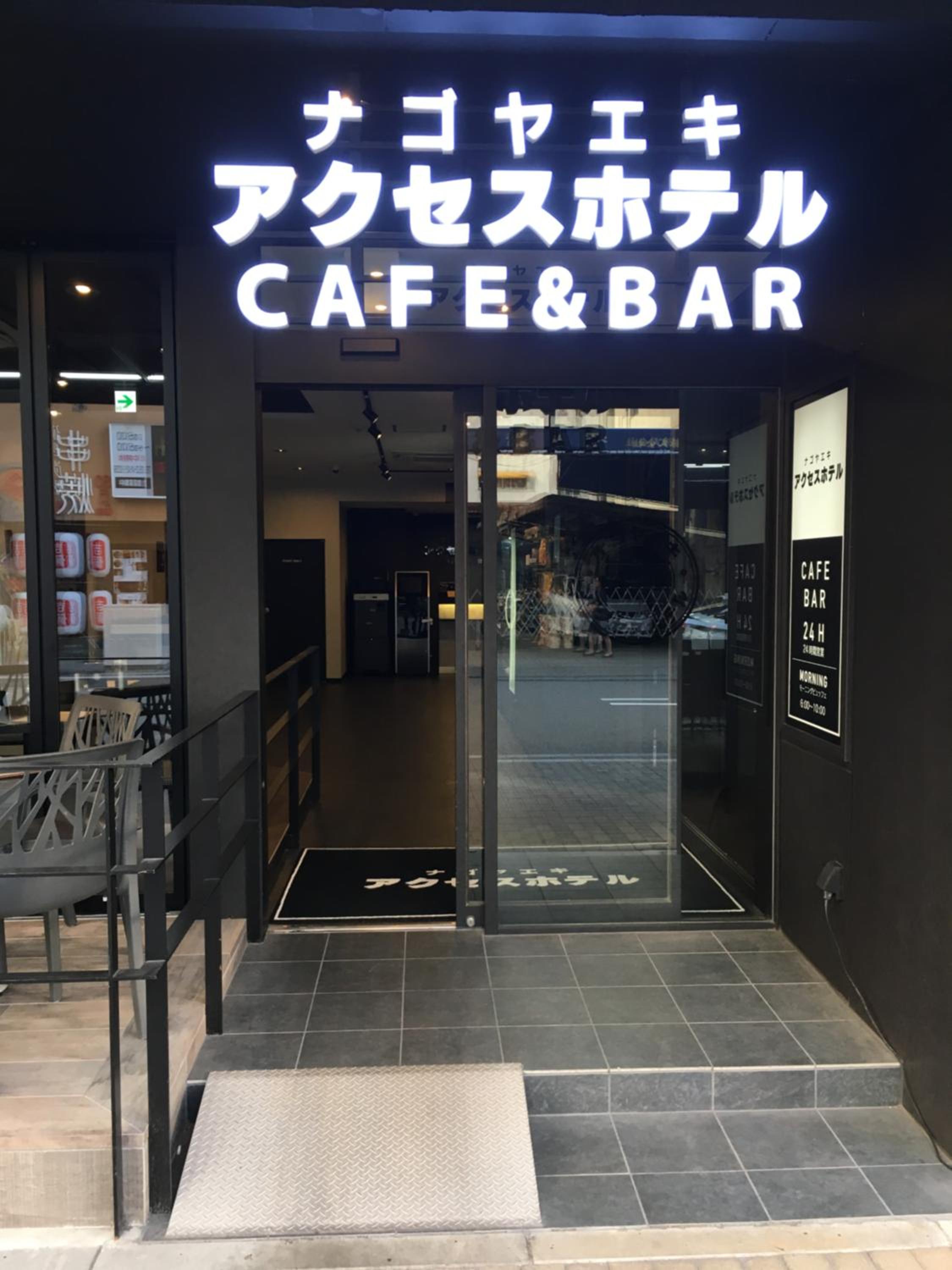
35. Nagoyaeki Access Hotel — Nagoya · 3★ · 1,221 reviews · from ~£47/night. The name is literal — Nagoya-eki means Nagoya Station — and with over 1,200 reviews at £47 it is one of the better-evidenced station-side budget picks. Compact rooms, quick walk to the concourse. Best for travellers who prize the walk to the platform above everything else.
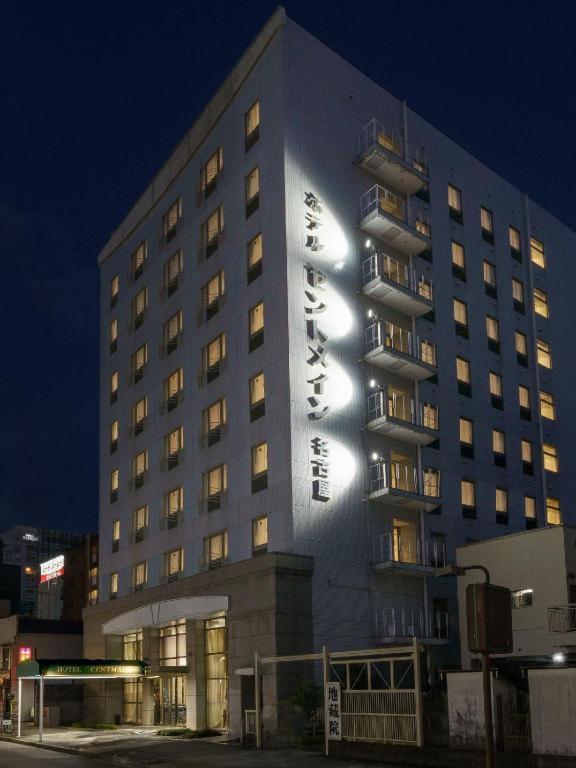
36. HOTEL CENTMAIN NAGOYA — Nagoya · 3★ · 20 reviews · from ~£48/night. A newer property with only 20 reviews so far, which is a small evidence base rather than a bad one — check the live page and recent photos before booking. Priced at £48 in the middle of the budget band. Best for travellers happy to take a chance on somewhere fresh and recently fitted out.
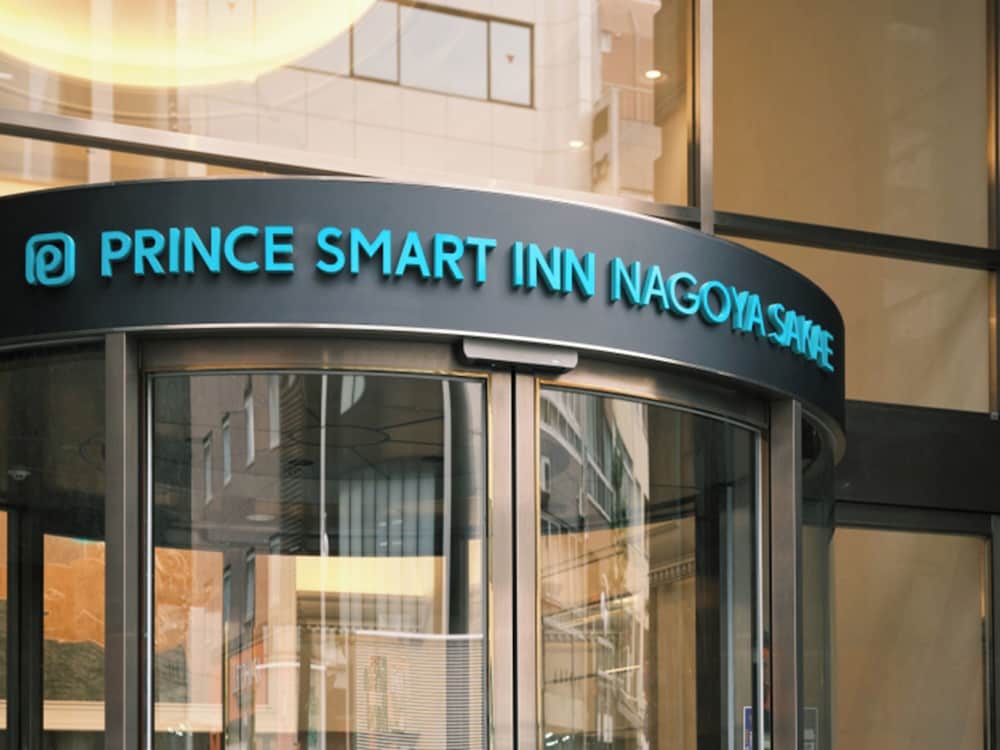
37. Prince Smart Inn Nagoya Sakae — Nagoya · 3★ · 117 reviews · from ~£49/night. Prince's stripped-back budget brand, built around self check-in kiosks and a smaller staffed footprint, which is how a name like Prince reaches £49 a night. Modern rooms in Sakae. Best for tech-comfortable travellers who would rather tap a screen than queue at a desk.
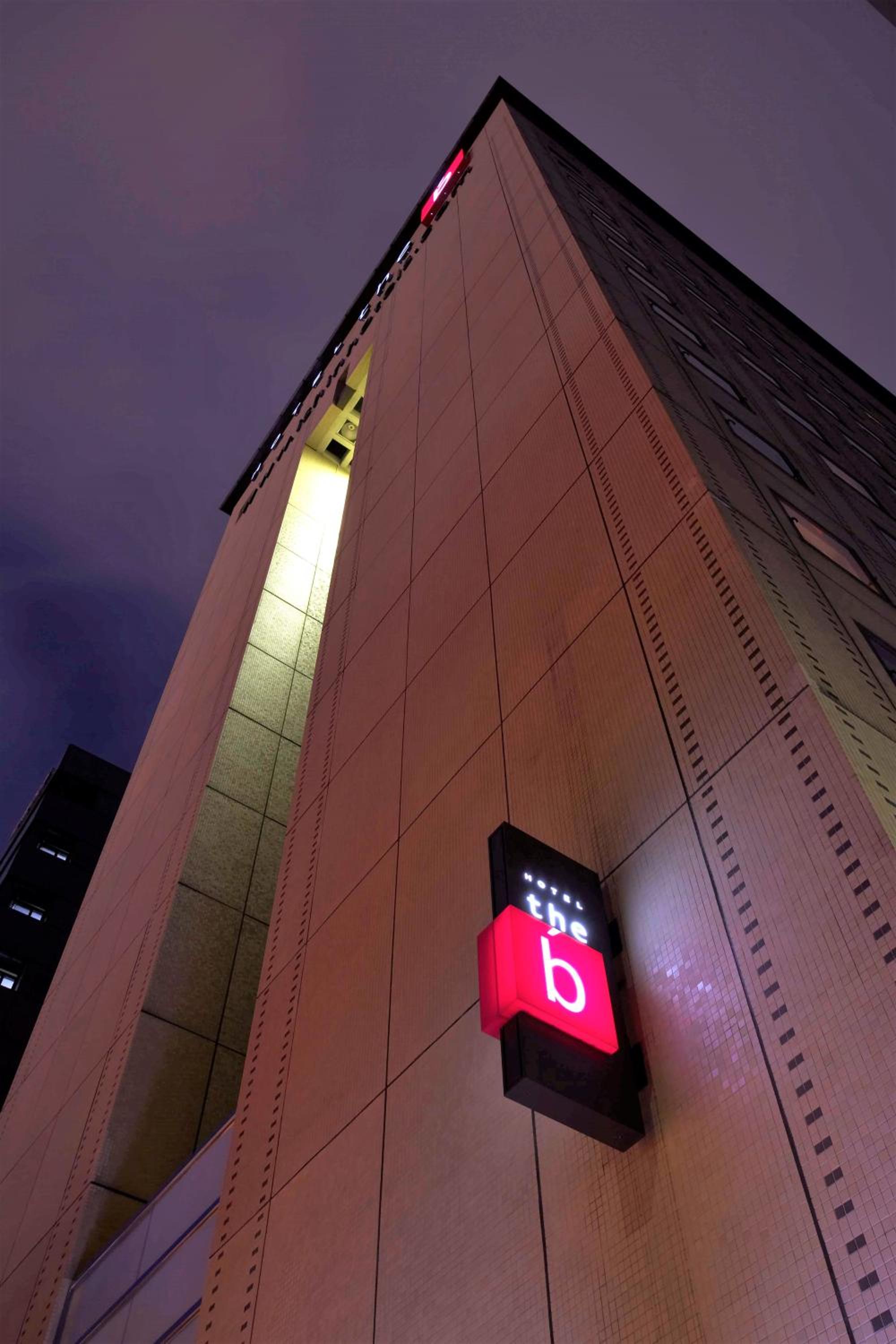
38. the b nagoya — Nagoya · 3★ · 2,233 reviews · from ~£49/night. One of the most-reviewed budget hotels here with 2,233 verdicts, from the design-conscious the b chain that puts a bit more thought into rooms than the standard business box. Central and reliably rated. Best for travellers who want the low rate without the strip-lit corridor feel.
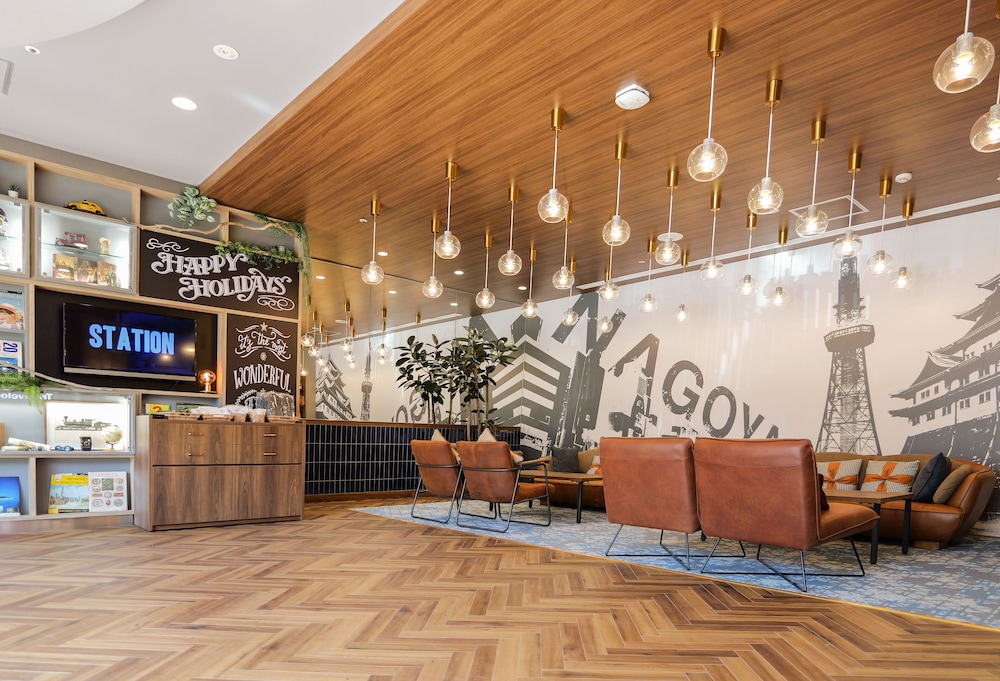
39. Travelodge Nagoya Sakae — Nagoya · 3★ · 77 reviews · from ~£50/night. The Asian Travelodge brand, which is a different and rather better proposition than the UK roadside version — think compact modern city hotel with English-friendly service. Newer here, so the review count is still small. Best for first-time visitors to Japan who want a name they recognise and staff used to overseas guests.
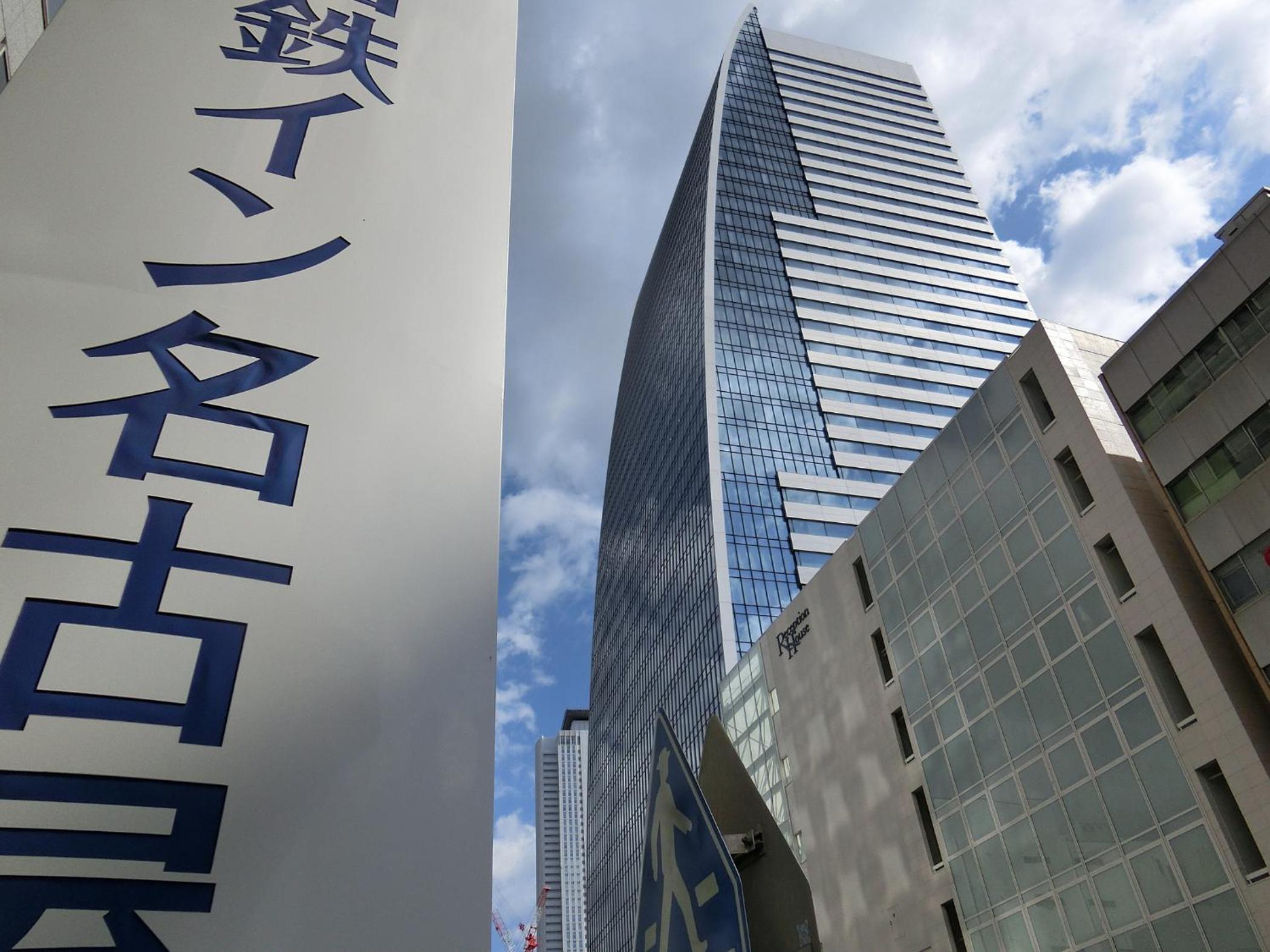
40. Meitetsu Inn Nagoya Ekimae — Nagoya · 3★ · 985 reviews · from ~£50/night. The budget arm of Meitetsu, the regional railway company, and ekimae means in front of the station — so this is a station-side room at £50 run by people whose day job is moving passengers. Nearly a thousand reviews. Best for travellers connecting to Centrair or the shinkansen who want a low rate and a short walk.
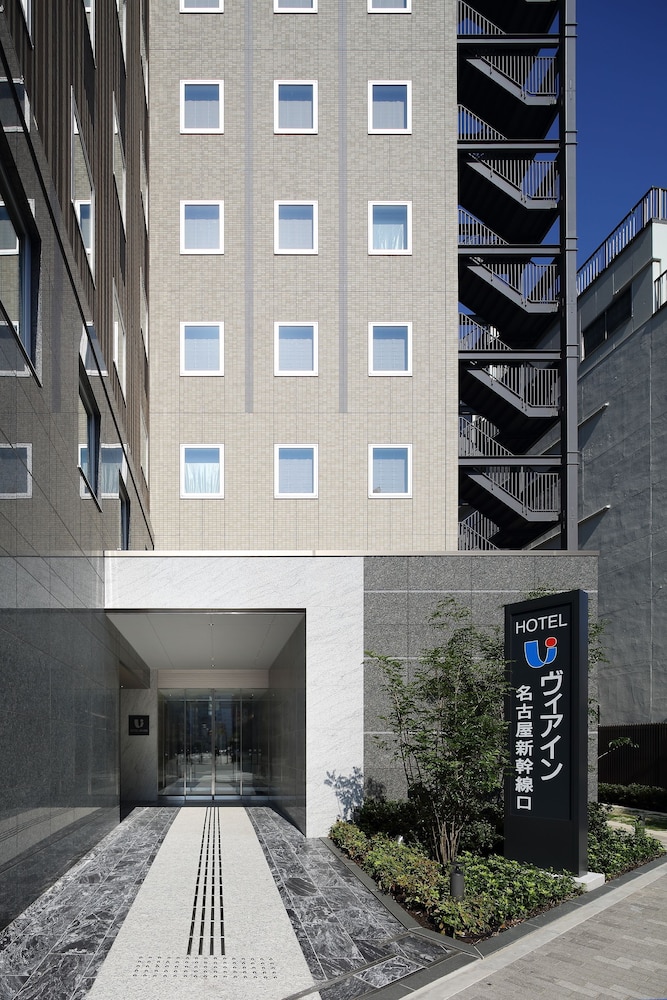
41. JR WEST GROUP VIA INN NAGOYA SHINKANSENGUCHI — Nagoya · 3★ · 165 reviews · from ~£50/night. JR West's own budget hotel brand, placed — as the name says — at the shinkansen exit of Nagoya Station. Railway-run hotels in Japan are reliably clean and reliably close to the tracks, and that is the whole pitch here. Best for anyone whose itinerary is a string of bullet trains.
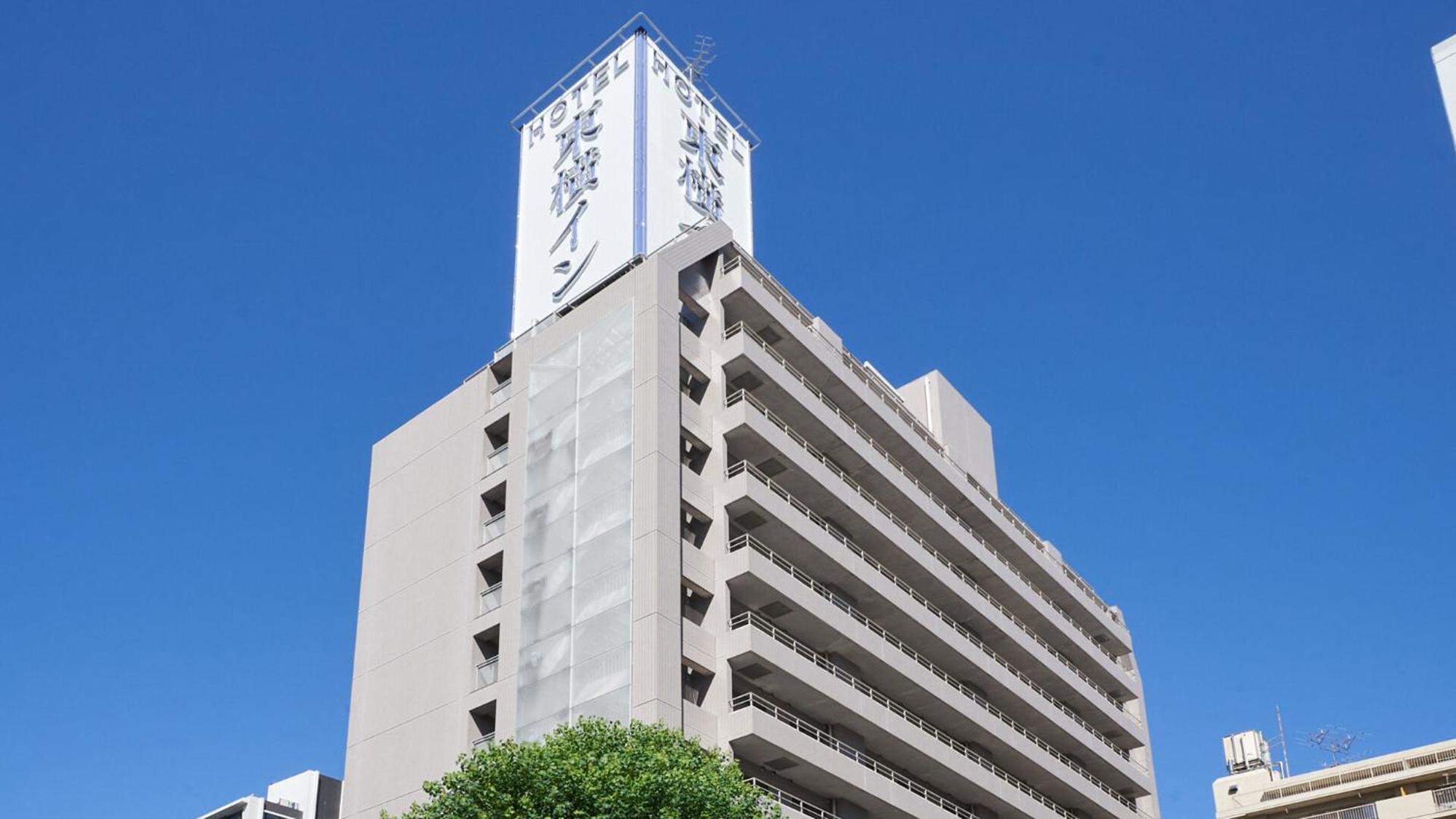
42. Toyoko Inn Nagoya Marunouchi — Nagoya · 3★ · 1,919 reviews · from ~£51/night. Toyoko Inn is the most recognisable budget chain in Japan, with a formula that has barely changed in decades: identical compact rooms, a simple free breakfast in the lobby, and a rate that rarely moves. Nearly 2,000 reviews at this Marunouchi branch. Best for travellers who value predictability and a breakfast they do not have to think about.
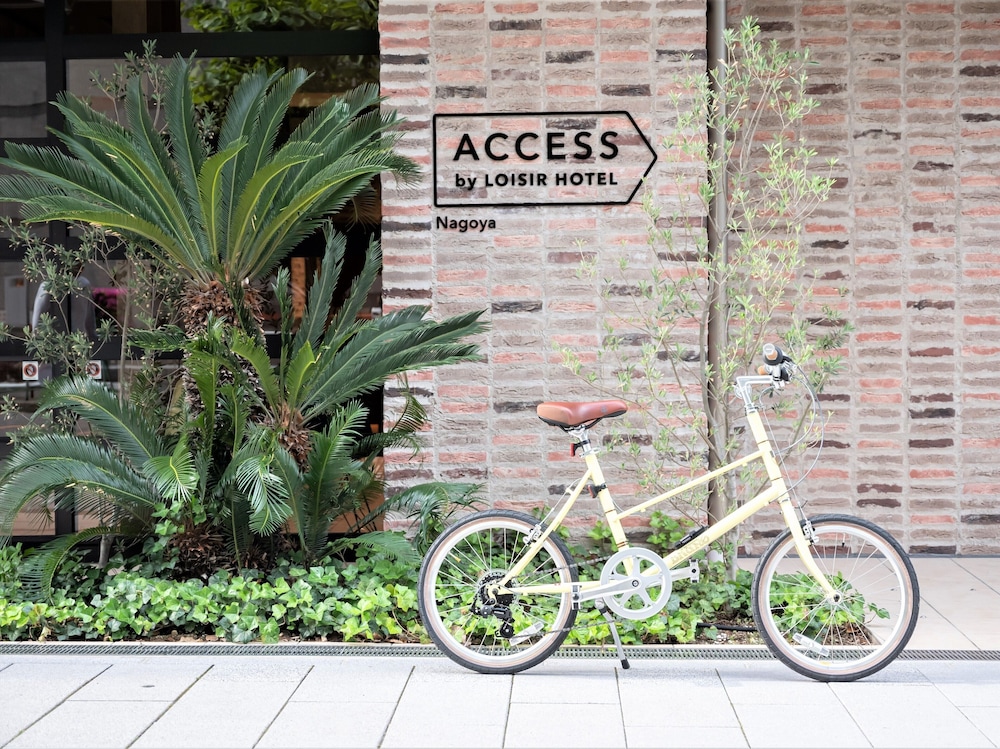
43. Access By Loisir Hotel Nagoya — Nagoya · 3★ · 114 reviews · from ~£52/night. Part of the Loisir group's lighter Access line, aimed at travellers who want a functional central room and nothing they will not use. 114 reviews at £52. Best for short city stays where the hotel is a base rather than a destination.
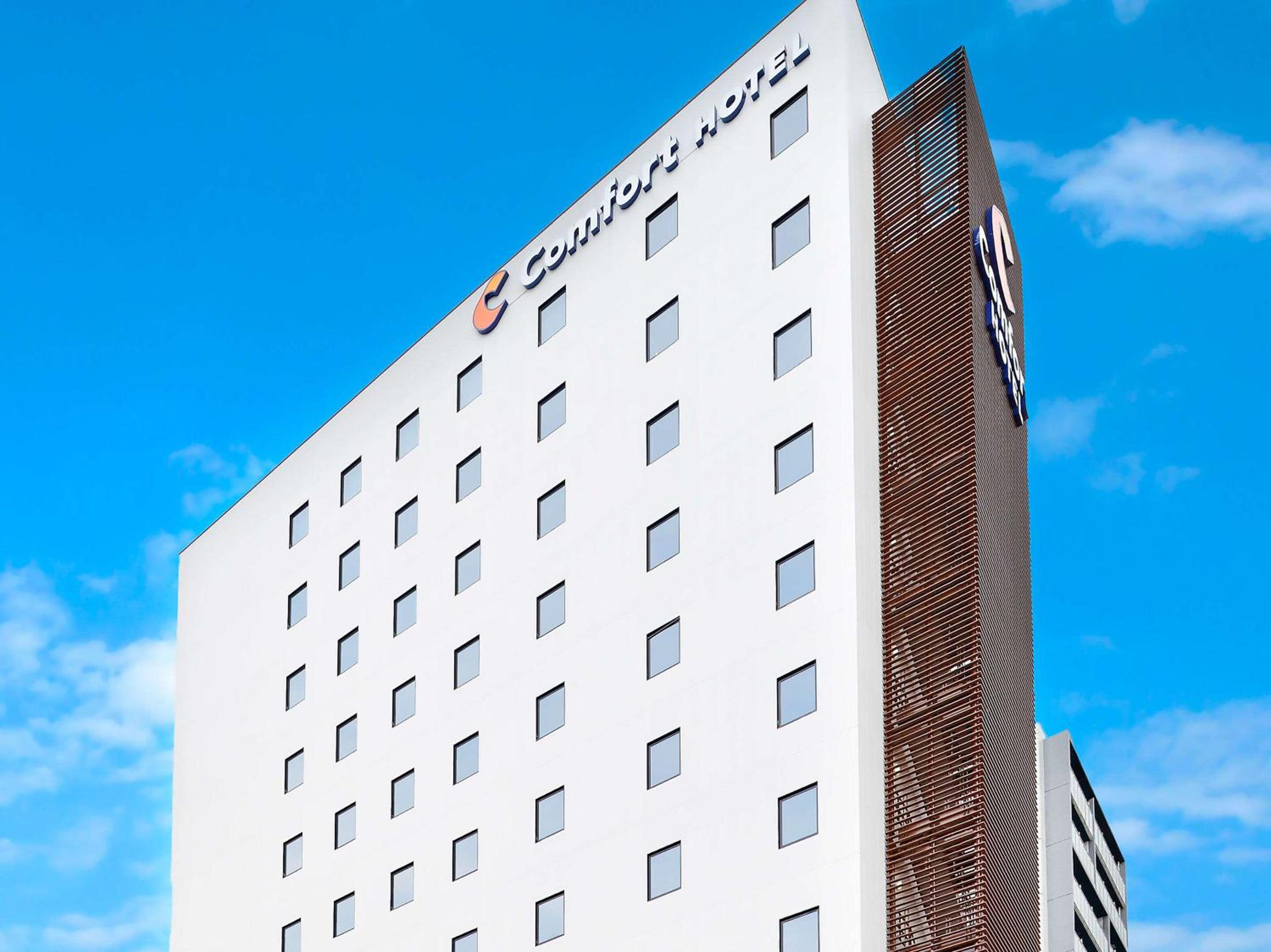
44. Comfort Hotel ERA Nagoya Meiekiminami — Nagoya · 3★ · 2,864 reviews · from ~£52/night. The second most-reviewed budget property here with 2,864 verdicts. Comfort Hotels in Japan are run under the Choice Hotels banner and reliably include a free breakfast, which quietly takes a few pounds a day off the real cost. Meieki-minami is the area just south of Nagoya Station. Best for families and longer stays where a free breakfast every morning genuinely adds up.
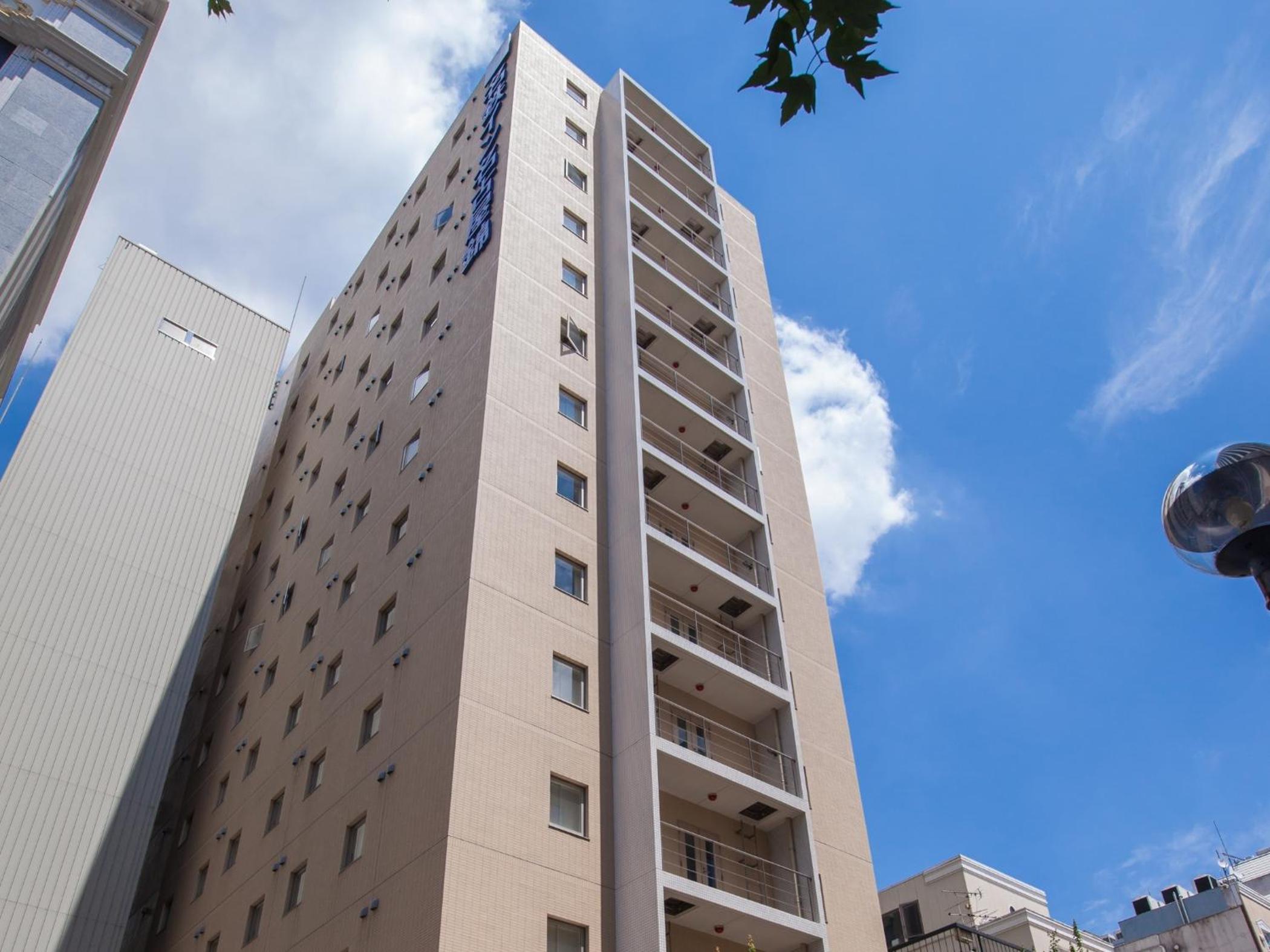
45. Meitetsu Inn Nagoya Nishiki — Nagoya · 3★ · 1,361 reviews · from ~£52/night. The Nishiki branch of the railway-run Meitetsu Inn chain, which trades the station-side convenience of its sibling for a spot in the middle of the eating and drinking district. Over 1,300 reviews. Best for travellers who want a dependable chain room within stumbling distance of dinner.
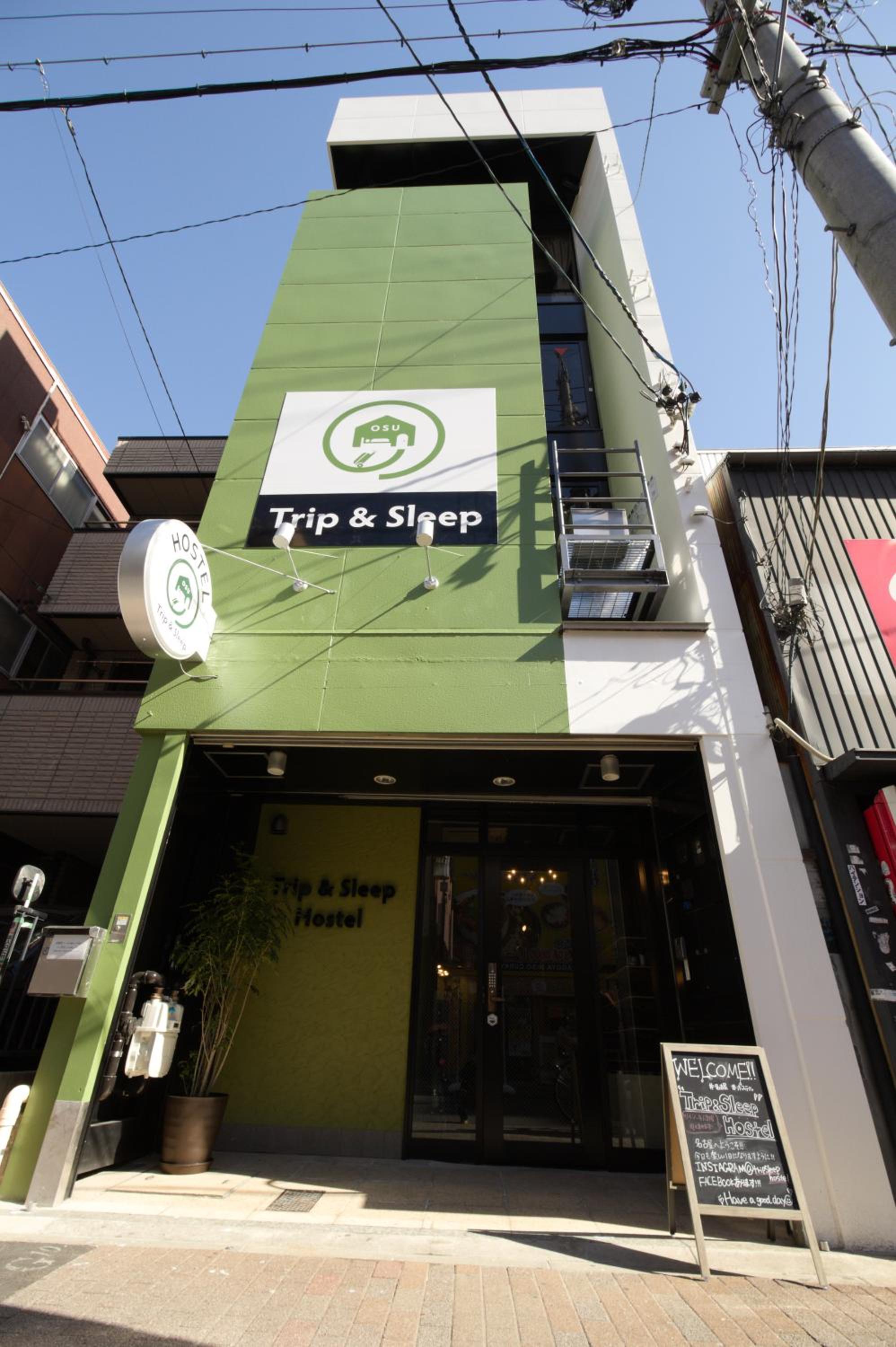
46. Trip & Sleep Hostel — Nagoya · 1★ · 2,040 reviews · from ~£53/night. The one true hostel in this guide and a well-established one, with 2,040 reviews behind it — a serious number for a small property. Dorm and private options, a common area that actually gets used, and the kind of staff who will tell you where to eat. Best for solo travellers who want company, or anyone who has had enough of silent business-hotel corridors.
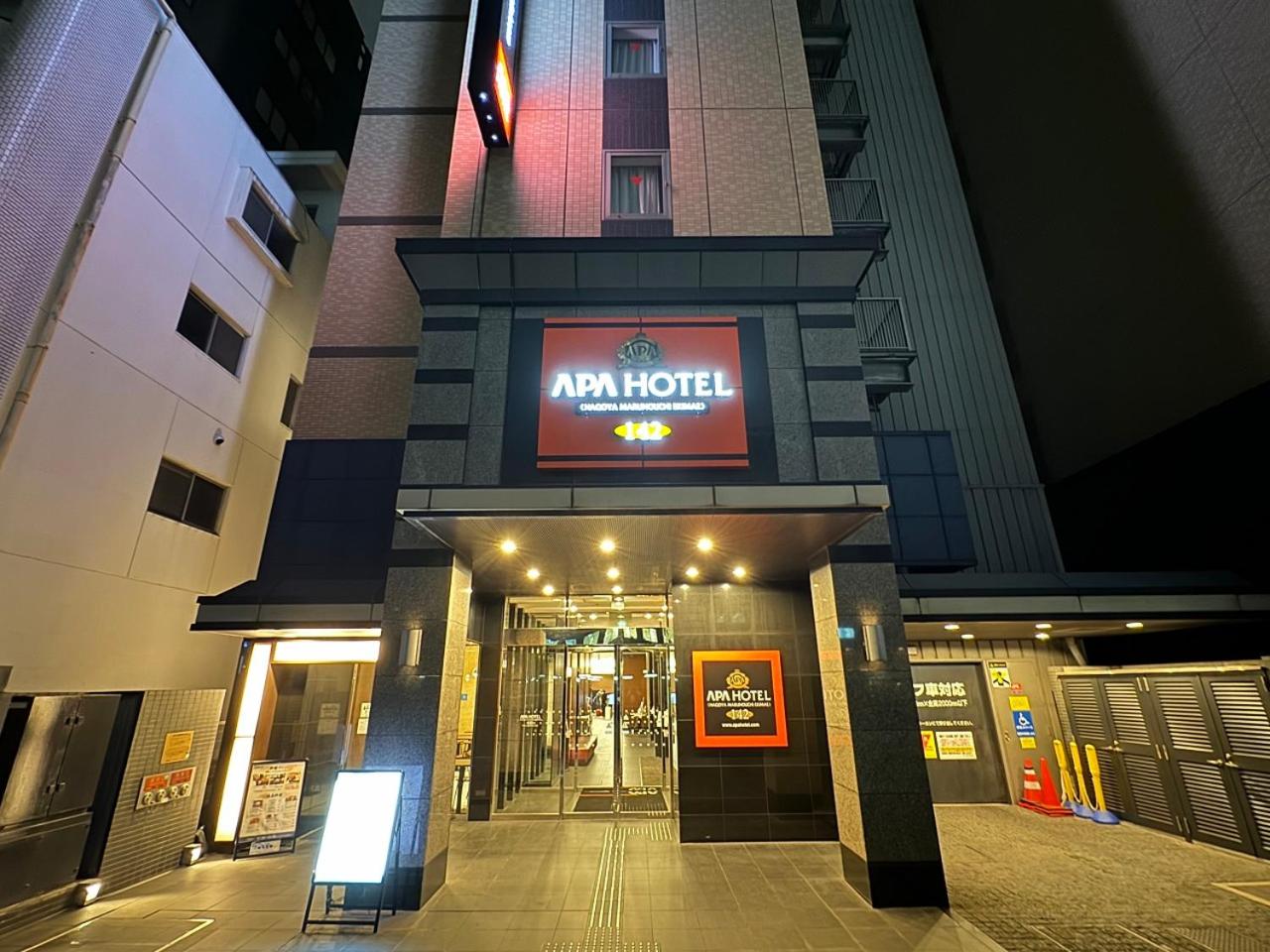
47. APA Hotel Nagoya Marunouchi Ekimae — Nagoya · 3★ · 1,487 reviews · from ~£54/night. APA is the chain with the famously efficient use of space — rooms are small even by Japanese standards, but the beds are good, the bathrooms work and there is one on every other corner. Nearly 1,500 reviews here, by the Marunouchi subway station. Best for travellers who already know the APA formula and are booking it deliberately.
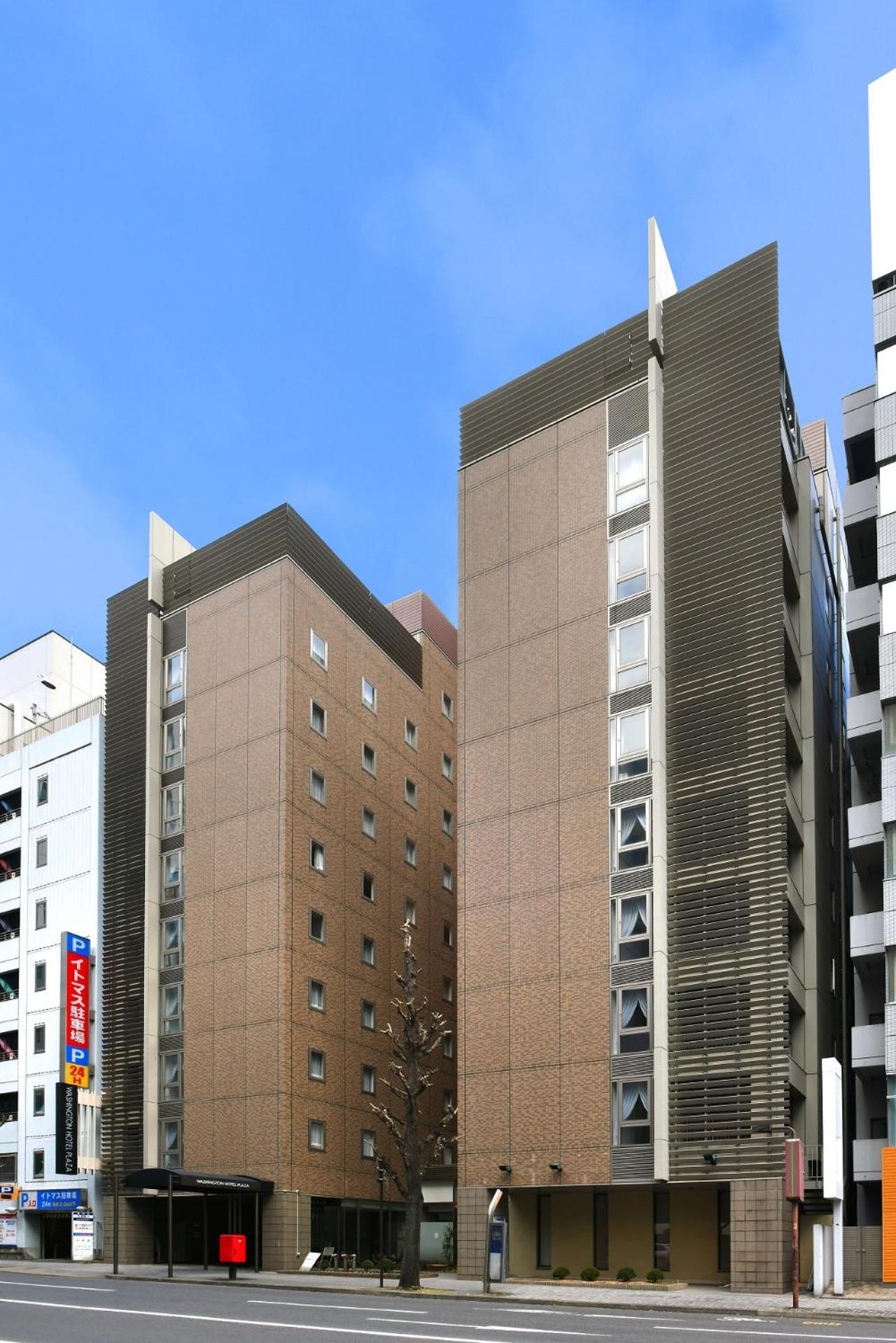
48. Nagoya Sakae Washington Hotel Plaza — Nagoya · 3★ · 354 reviews · from ~£55/night. A Washington Hotel Plaza in Sakae, a long-running mid-market Japanese chain that sits a notch above the pure budget names in room size and facilities. £55 puts it at the top of this tier. Best for travellers who want a slightly more substantial hotel while staying under the four-star threshold.
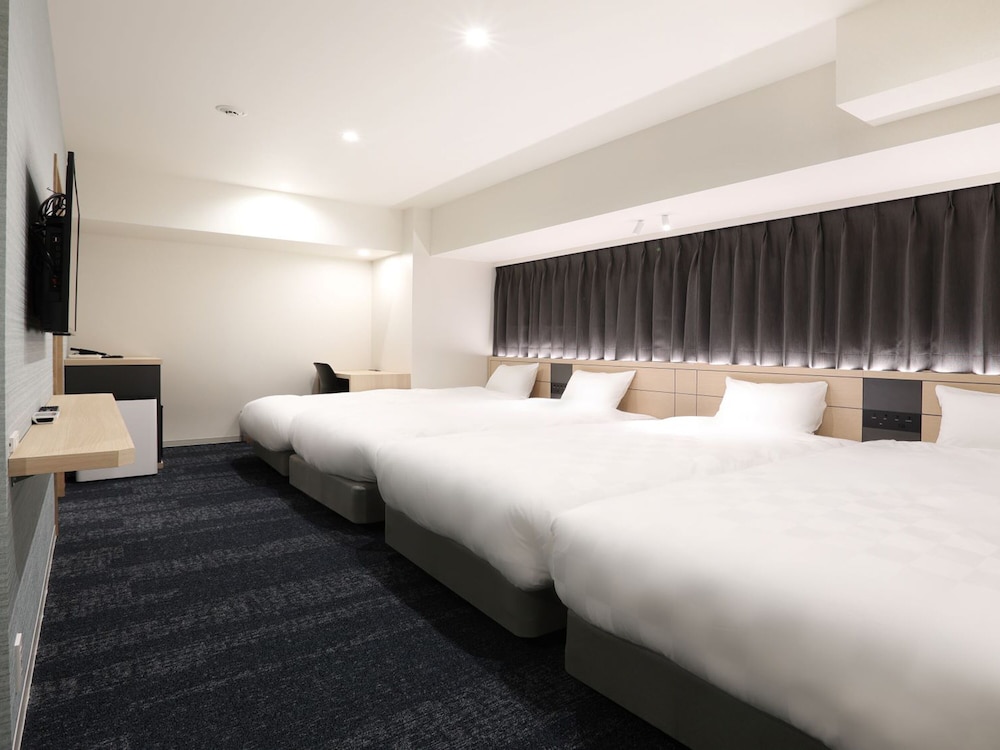
49. Henn na Hotel Premier Nagoya Fushimiekimae — Nagoya · 4★ · 60 reviews · from ~£55/night. The most interesting booking at the top of the budget tier, and the only four-star in it. Henn na translates roughly as strange, and the chain is known worldwide for robot-assisted reception desks and heavily automated check-in — a genuine novelty that also happens to be quick. This branch is right by Fushimi station, midway between Nagoya Station and Sakae. Best for travellers who want a four-star room for £55 and do not mind being greeted by a machine.
All 32 budget hotels above are real, individually bookable properties — prices are live from-rates pulled while writing and move with your dates, the season and the pound-to-yen rate. See all Nagoya stays · Find UK flights to Nagoya (NGO)
What to See in Nagoya
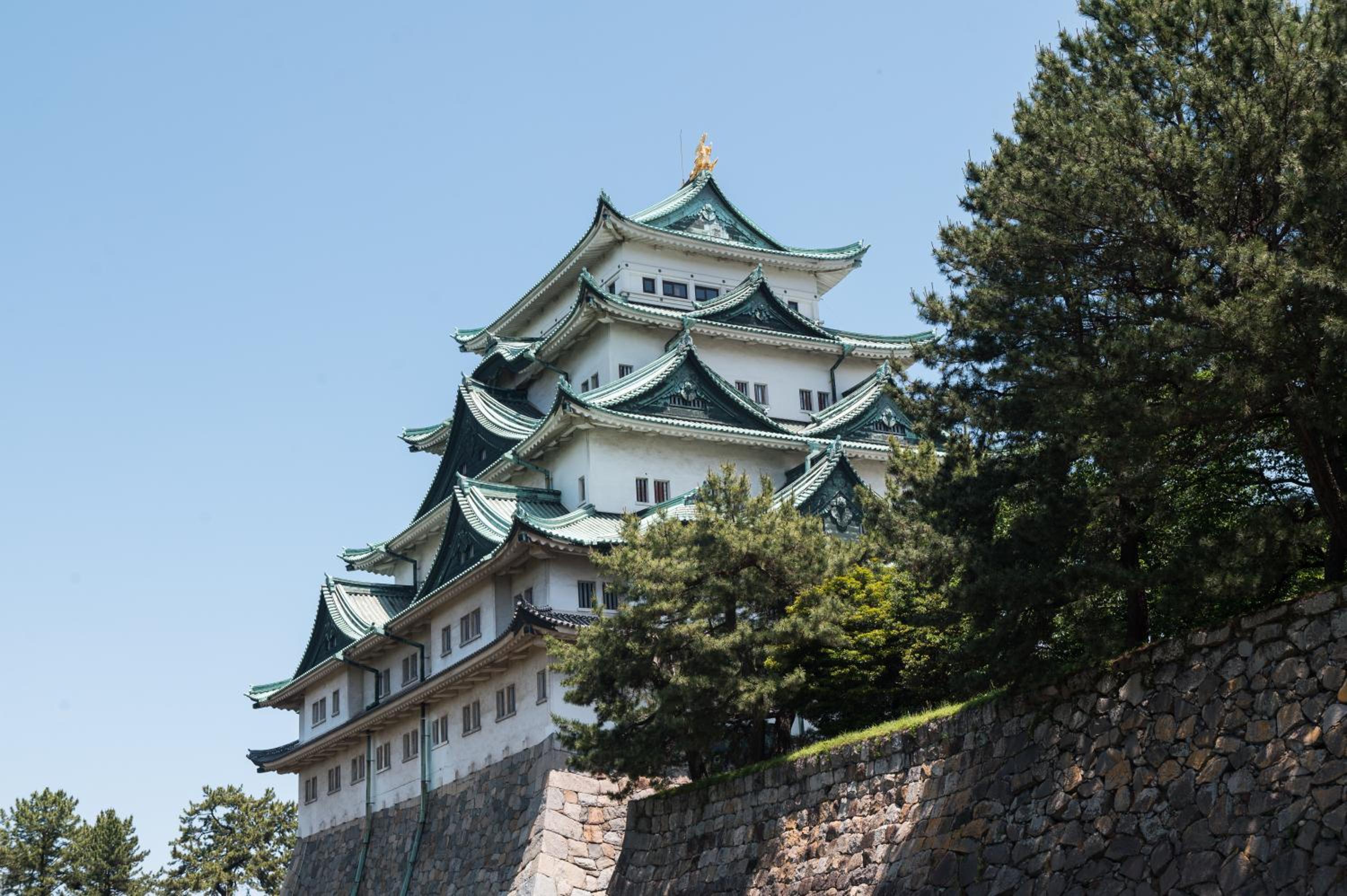
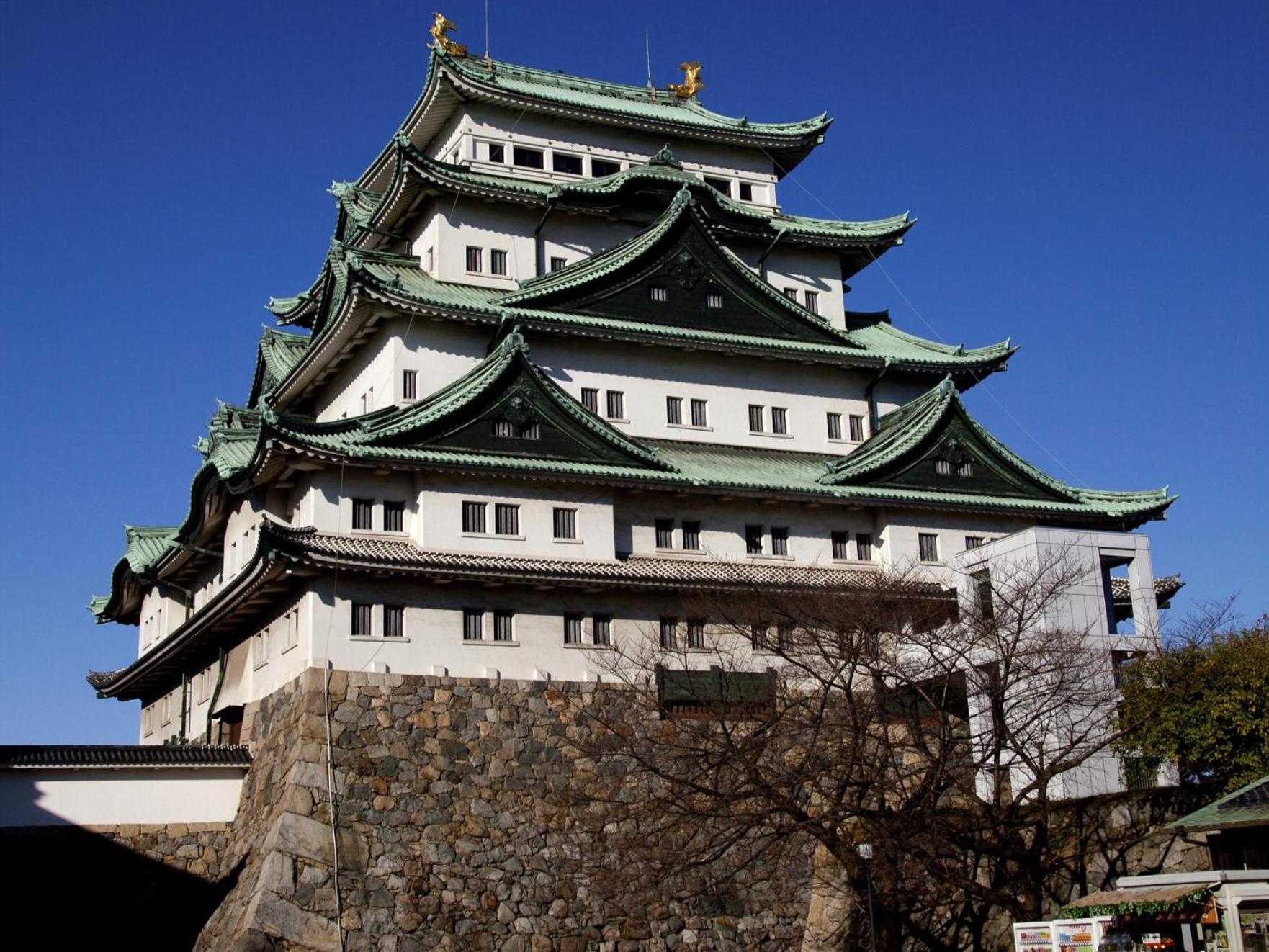
Start with Nagoya Castle. Its most famous feature is the pair of golden shachihoko on the roof — mythical creatures with a tiger's head and a carp's body, cast in gold leaf and so closely identified with the city that they appear on everything from manhole covers to biscuit tins. Beside the keep stands the Hommaru Palace, a painstaking reconstruction of the original shogunal residence completed using traditional techniques and historic drawings, with cypress interiors and reproduction screen paintings that are genuinely worth the entrance fee. Note that access arrangements at the castle have changed in recent years while structural work on the main keep is considered, so check what is open before you go.
Atsuta Shrine is the other essential, and a much quieter experience. It is one of the most sacred sites in Shinto — traditionally said to enshrine the Kusanagi sword, one of the Three Sacred Treasures of the imperial regalia — and it sits in a large wooded precinct of ancient camphor trees in the south of the city, a world away from the traffic outside. Entry is free, it takes an hour, and the shops by the gate sell some of the best kishimen noodles in Nagoya.
Then come the museums, and this is where Nagoya quietly beats cities twice its size. The Toyota Commemorative Museum of Industry and Technology occupies the original red-brick Toyoda works and traces the company's path from automatic looms to cars, with working machinery demonstrated by staff rather than displayed behind glass — even people with no interest in vehicles tend to come out impressed. The separate Toyota Automobile Museum, out east of the city and reached on the Linimo maglev line, is a full-scale history of the motor car worldwide rather than a corporate showroom. Nagoya is the heart of Japan's car industry and makes no secret of it; for many visitors this pair is the highlight of the trip.
The SCMaglev and Railway Park is JR Central's own museum on the waterfront, where you can walk around real shinkansen generations, a steam locomotive and the record-breaking maglev test vehicles. The Nagoya City Science Museum in Shirakawa Park houses a planetarium under one of the largest domes in the world — the shows are in Japanese, but the sky is universal and the building itself, a vast silver sphere wedged into a glass frame, is a sight on its own.
For wandering, Osu is the answer: a grid of covered arcades around the Osu Kannon temple, mixing second-hand clothing, electronics stalls, anime shops, old-fashioned tea sellers and an enormous amount of street food. Sakae is the modern counterpart, with the department stores, the underground shopping streets, the Oasis 21 glass-roofed structure — a shallow pool of water suspended above the bus terminal that you can walk beneath — and the television tower in Hisaya-odori Park. Out at the port, Legoland Japan sits alongside an aquarium and the railway park, which makes the waterfront a straightforward full day with children.
And then there is the food, which is the thing residents will insist you get right. Nagoya has its own culinary tradition, collectively called Nagoya meshi: miso katsu, a pork cutlet under thick dark red-miso sauce; hitsumabushi, grilled eel over rice served with instructions to eat it three different ways; tebasaki, peppery fried chicken wings; and kishimen, flat wide noodles that are the local answer to udon. Add miso nikomi udon simmered in an iron pot and, for breakfast, ogura toast spread with sweet red-bean paste. None of it is expensive, and Osu and Sakae are the easiest places to work through the list.
Why Nagoya Is Worth Basing In — The Honest Case
Nagoya's real value is its position. It sits on the Tokaido Shinkansen, the busiest high-speed line in the world, roughly halfway between the two ends of Japan's main tourist axis: about 100 minutes to Tokyo, about 35 minutes to Kyoto and about 50 minutes to Shin-Osaka, with trains every few minutes. Hotels here are consistently cheaper than in Tokyo, Kyoto or Osaka, and availability holds up in the weeks when Kyoto sells out entirely. Base here and day-trip out, and you can see Kyoto on a room rate that Kyoto itself will not give you.
It is also the gateway to a set of places the big three cannot reach easily. The JR Hida limited express runs north to Takayama in about two and a half hours, through river gorges and mountain villages; from there, buses reach Shirakawa-go, the UNESCO-listed valley of steep thatched farmhouses. The Chuo line runs east to the Kiso Valley and the preserved post towns of the old Nakasendo trail, where you can walk the two-hour stretch between Magome and Tsumago in an afternoon. And the Kintetsu line runs south-west to Ise, home of the Ise Grand Shrine, the most important shrine in Shinto and one that most foreign visitors never see.
The honest counterweight: Nagoya is often skipped, and not entirely without reason. It has nothing like Kyoto's density of temples or Tokyo's endless variety, much of the centre was rebuilt after wartime bombing, and it reads as a prosperous working city rather than a sightseeing showpiece. Two days is enough for the city itself. But that under-visiting is exactly what keeps the rooms cheap, the restaurants un-queued and the castle grounds calm on a Saturday — and it is why, for a second or third trip to Japan, this is one of the smartest bases in the country.
Before you book, read the UK government's current foreign travel advice for Japan, which covers entry requirements, safety, health and money, and check it again in the week before you fly — Japan has been introducing a pre-travel electronic authorisation system for visa-free visitors, so the paperwork position is worth re-verifying rather than assuming. For attractions, seasonal events, opening hours and rail planning, Japan's official tourism site for UK visitors is the reliable starting point. Two practical notes while you are packing: tipping is not customary anywhere in Japan and will only cause confusion, and the tap water is safe to drink everywhere, so bring a refillable bottle.
Where to Stay in Nagoya: Choosing Your Base
Nagoya Station — Meieki is the default and rarely the wrong call. The shinkansen platforms, three subway lines, the Meitetsu airport train and the JR lines out to Takayama and the Kiso Valley all converge here, and the city's tallest towers stand directly above the concourse with hotels inside several of them. Everything below the station is connected by an enormous underground shopping network, which matters more than it sounds in a rainy week. The trade-off is that Meieki is a business district: it is efficient rather than charming, and the evening life is thinner than in Sakae.
Sakae is the opposite trade. Two subway stops east, this is where the department stores, the underground arcades, the bars of Nishiki and the restaurants are, along with Oasis 21 and Hisaya-odori Park. It is the better base if you want to walk out to dinner and walk home again, and the budget hotels here cost only a few pounds more than the ones by the station. If you are staying three nights or more, this is usually the more enjoyable choice.
Fushimi sits between the two, one stop from each, and is the compromise that often wins on price. You get subway access in both directions, the Science Museum and Shirakawa Park on the doorstep, a business-district calm in the evenings, and rates that tend to undercut both neighbours. Marunouchi, just north of Fushimi, is where the cheapest rooms in this guide cluster.
Kanayama, one hub south, is worth knowing about for one reason: the direct airport train. If you have an early flight from Centrair or a late arrival, a room here saves a change and a walk. Chubu Centrair (NGO) itself sits on a man-made island in Ise Bay about 30 minutes from the city by Meitetsu limited express, and there are airport hotels on the island if your schedule really demands it — but for almost everyone, the city is close enough that there is no reason to sleep out there.
Explore more of Japan
- Best Hotels in Kyoto 2026 — 35 minutes away by shinkansen, and the obvious day trip from a Nagoya base if you would rather not pay Kyoto room rates.
- Best Hotels in Osaka 2026 — 50 minutes down the line, with Japan's deepest supply of genuinely cheap city rooms.
Nagoya Hotels FAQs
What are the best hotels in Nagoya for every budget? Nagoya covers all three tiers well and charges less than Japan's headline cities for every one of them. At the top, five-star names like the Nagoya Marriott Associa Hotel, the Hilton Nagoya Hotel and the historic Nagoya Kanko Hotel run from around £91 to £473 a night. Mid-range four-stars such as Hotel Keihan Nagoya, Meitetsu Grand Hotel and Dormy Inn Premium Nagoya Sakae sit at roughly £59 to £156. And the budget tier is the real story: 32 clean, well-reviewed business hotels, capsules and hostels from about £36 a night. This guide lists 49 real, individually bookable properties across all three.
How much do hotels in Nagoya cost per night? Budget business hotels in this guide start at about £36 a night and most of the budget tier lands between £36 and £55. Mid-range four-stars run roughly £59 to £156, and five-star rooms start at about £91 and climb to £473 at the very top. For two people sharing, a genuinely central, clean, en-suite room for around £40 to £50 a night is normal in Nagoya, which is why it works so well as a base.
Are hotels in Nagoya cheaper than Tokyo, Kyoto and Osaka? Yes, and that is the honest reason to consider it. Nagoya is Japan's fourth-largest city and a major business centre, but it draws a fraction of the international tourism that Tokyo, Kyoto and Osaka do — so room rates are lower and availability is better, particularly in cherry-blossom and autumn-colour season when Kyoto in particular becomes very expensive. You will typically pay noticeably less here for the same standard of business hotel, and the shinkansen puts Kyoto about 35 minutes away.
Where should I stay in Nagoya? Three areas cover almost everyone. Nagoya Station, known locally as Meieki, is the obvious first choice: the shinkansen, the subway lines, the Meitetsu airport train and the city's tallest towers are all there, so it suits day-trippers and short stays. Sakae is the nightlife, shopping and restaurant district about two subway stops east, better if you want to walk out to dinner and bars. Fushimi sits between the two and is usually a little cheaper than either while staying walkable to both. Kanayama, one hub south, is handy for the airport line and often cheaper again.
What is the cheapest area to stay in Nagoya? The cheapest rooms cluster around Marunouchi and the Sakura-dori side of Nagoya Station, plus Kanayama to the south — this is where the LiVEMAX, KOKO HOTEL and Toyoko Inn style properties sit at £36 to £45 a night. All of them are on the subway, so cheap does not mean remote here: Marunouchi is one stop from both Nagoya Station and Fushimi, and Kanayama is on the direct line to the airport. Sakae has a few properties in the same price band too.
Is Nagoya worth visiting? Honest answer: it depends on what you want. Nagoya is not a sightseeing showpiece in the way Kyoto is, and plenty of first-time visitors to Japan skip it entirely. It is a large, prosperous, liveable working city — the heart of Japan's car industry — with a strong museum line-up, a genuinely distinctive food culture and a castle. If you have two weeks and it is your first trip, Kyoto and Tokyo will win. If you have been to Japan before, if you like industrial and transport museums, or if you want a cheaper and less crowded base with brilliant rail access to the mountains and to the big three cities, Nagoya is an excellent choice and a much better one than its reputation suggests.
How many days do you need in Nagoya? Two full days covers the city itself comfortably: one for Nagoya Castle, Atsuta Shrine and Osu, and one for the museums — the Toyota Commemorative Museum of Industry and Technology, the SCMaglev and Railway Park and the Nagoya City Science Museum planetarium. If you are using Nagoya as a base, add a day each for Takayama, the Kiso Valley or Ise, and treat Kyoto as a very easy day trip at about 35 minutes each way by shinkansen.
Do UK passport holders need a visa for Japan? UK passport holders can normally enter Japan visa-free for short tourist stays of up to 90 days. That said, Japan has been introducing a pre-travel electronic authorisation system for visa-free visitors, so the paperwork position can change — always check the current entry requirements on the UK government's Japan travel advice page and Japan's own official immigration guidance before you book flights, and again in the week before you fly.
Are there direct flights from the UK to Nagoya? No. There is no direct UK service to Nagoya. The two practical routes are to fly direct to Tokyo (Haneda or Narita) or Osaka and take the shinkansen on — about 100 minutes from Tokyo, about 50 minutes from Shin-Osaka — or to connect through a Gulf or Asian hub into Chubu Centrair International Airport (NGO), which sits on a man-made island in Ise Bay about 30 minutes from the city by train. For most UK travellers the Tokyo-plus-shinkansen option is cheaper and the train ride is part of the trip.
How do I get from Chubu Centrair Airport into Nagoya? Take the Meitetsu train from the airport station directly into Meitetsu Nagoya, which is right beside Nagoya Station. The fastest limited express service takes around 30 minutes; ordinary services take a little longer and cost less. The airport is built on a man-made island in Ise Bay, so the train ride out over the water is genuinely pleasant. Kanayama, one hub south of Nagoya Station, is also a direct stop on the same line, which is why hotels there suit early flights.
How long does the shinkansen take from Nagoya to Tokyo, Kyoto and Osaka? Nagoya sits on the Tokaido Shinkansen, the busiest bullet-train line in the world, roughly halfway between Tokyo and Osaka. The fastest Nozomi services reach Tokyo in about 100 minutes, Kyoto in about 35 minutes and Shin-Osaka in about 50 minutes. Departures run every few minutes for most of the day, so there is no real need to plan around a timetable. This is the single strongest argument for basing yourself here.
Is the Japan Rail Pass worth it? It depends entirely on your route, and it is no longer the automatic yes it once was. The nationwide pass rose sharply in price in 2023 and now needs a genuinely long itinerary to pay for itself — a single Nagoya to Tokyo return, for example, costs far less than a week of pass. Price your actual journeys as individual tickets first, then compare. If you are staying in central Japan, JR Central's regional passes covering Takayama, the Hokuriku coast or the Ise-Kumano area are often much better value than the full national pass, and for city travel you want an IC card, not a rail pass.
Why stay in Nagoya rather than Kyoto or Osaka? Money and position. Room rates in Nagoya are consistently lower than in Kyoto, Osaka or Tokyo for the same standard of hotel, and availability holds up in peak weeks when Kyoto sells out. From Nagoya you are about 35 minutes from Kyoto, 50 from Shin-Osaka and 100 from Tokyo by shinkansen, plus you are the gateway to Takayama, Shirakawa-go, the Kiso Valley and Ise, which none of the big three can claim. The trade-off is honest: you sleep somewhere less atmospheric and spend more time on trains.
Can I day-trip to Takayama and Shirakawa-go from Nagoya? Yes, and this is one of Nagoya's very best arguments. The JR Hida limited express runs north from Nagoya up the Hida river gorge to Takayama in roughly two and a half hours, through some of the prettiest scenery on the JR network. Shirakawa-go, the UNESCO-listed village of steep thatched gassho-zukuri farmhouses, is reached by bus — usually from Takayama, though direct coaches from Nagoya also run. Both are doable in a day if you start early, but an overnight in Takayama is far more pleasant and lets you see the old town before the coaches arrive.
What is there to see in Nagoya? Nagoya Castle with its golden shachihoko roof ornaments and the meticulously reconstructed Hommaru Palace; Atsuta Shrine, one of the most sacred sites in Shinto; the Toyota Commemorative Museum of Industry and Technology and the Toyota Automobile Museum; the SCMaglev and Railway Park, JR Central's train museum on the waterfront; the Nagoya City Science Museum, whose planetarium dome is one of the largest in the world; the Osu shopping arcades and Osu Kannon temple; Oasis 21 and the Sakae district; and Legoland Japan out at the port. Two days covers it.
What is Nagoya meshi? It is the collective name for Nagoya's own food culture, and it is genuinely distinct from the rest of Japan. The staples are miso katsu, a breaded pork cutlet under a dark red-miso sauce; hitsumabushi, grilled eel over rice served with instructions for eating it three different ways; tebasaki, peppery fried chicken wings; and kishimen, flat wide noodles served hot or cold. Add miso nikomi udon and, for breakfast, ogura toast with sweet red-bean paste. Osu and Sakae are the easiest places to work through the list.
Which IC card do I need for trains and buses in Nagoya? Nagoya's own card is manaca, sold at subway and Meitetsu stations, and it works on the subway, city buses and local trains. You do not need a specific one, though — Japan's IC cards are mutually compatible on almost all city networks, so a Suica from Tokyo or an ICOCA from Osaka will tap through the gates in Nagoya perfectly well, and vice versa. Many phones can now hold a digital IC card, which avoids the queues. IC cards do not cover shinkansen reserved travel, which you buy separately.
When is the best time to visit Nagoya? Spring and autumn. Late March into early April brings cherry blossom, with Nagoya Castle and the city parks putting on a good show, and November brings the autumn colours. Summers in Nagoya are notably hot and humid even by Japanese standards — the city sits in a basin and holds the heat — so July and August are hard work outdoors. Winter is cold but dry and quiet, and it is the cheapest time to book. Avoid Golden Week in late April and early May and Obon in mid-August, when domestic travel fills everything.
Do you tip in Japan? No. Tipping is not customary anywhere in Japan and attempting it usually causes polite confusion — staff may chase you down the street to return money you left on the table. Service is included, standards are high without it, and no one expects anything extra in restaurants, taxis or hotels. The one exception is a formal ryokan or a private guide, where a gratuity is occasionally presented in an envelope, and even that is optional.
Can you drink the tap water in Nagoya? Yes. Tap water across Japan, Nagoya included, is safe to drink and held to a high standard — restaurants serve it free as a matter of course and locals drink it without a second thought. Bring a refillable bottle: you will save money and a good deal of plastic, and public water fountains are common in parks and stations.
What currency is used in Japan, and do I need cash? The currency is the Japanese Yen (JPY). All pound figures in this guide are rough conversions of live rates rather than fixed quotes, so they move with the exchange rate and your dates. Cards are now widely accepted in cities — hotels, chains, department stores and most restaurants — but Japan remains more cash-friendly than most of Europe, and small shops, some temples and shrines, older restaurants, coin lockers and some bus fares still want cash. Carry a reasonable amount of yen; convenience-store ATMs, especially at 7-Eleven, reliably accept foreign cards.
What is the most expensive hotel in this guide? The Tower Hotel Nagoya, at around £473 a night — a very small five-star built into the city's landmark television tower in Hisaya-odori Park, and by a distance the priciest room here. After that the numbers drop quickly: TIAD, Autograph Collection is about £279 and the Nagoya Marriott Associa Hotel about £196. The cheapest room in the guide, KOKO HOTEL Nagoya Marunouchi, is around £36, so this one page spans a thirteen-fold price range.
Which hotels in Nagoya are the best value? At the top, the Nagoya Tokyu Hotel is the standout — a five-star with nearly 2,000 reviews from around £91 a night, cheaper than several four-stars on this page. In the mid tier, Hotel Keihan Nagoya is remarkable: 6,767 reviews, the highest count in the guide, from about £59. The Royal Park Canvas Nagoya at about £64 runs it close. In the budget tier, KOKO HOTEL Nagoya Marunouchi pairs 3,228 reviews with a £36 rate, and Henn na Hotel Premier Nagoya Fushimiekimae is a four-star at about £55.
Are Japanese budget business hotels any good? They are the reason this guide works. A Japanese business hotel room is small — often very small — but it will be spotlessly clean, quiet, well lit, with a proper en-suite unit bath, free wifi, a kettle and a yukata. Chains like Toyoko Inn, Comfort Hotel, Dormy Inn, APA, Smile Hotel, KOKO HOTEL and HOTEL LiVEMAX deliver that standard consistently at £36 to £55 a night here. Several include a simple free breakfast, and a few have communal baths on the top floor. If you can live with a compact room, the value is hard to beat anywhere in the world.
Is Nagoya good for families? Better than most people expect. Legoland Japan sits on the waterfront in the port area with the Sea Life aquarium and the Port of Nagoya Public Aquarium nearby, the SCMaglev and Railway Park lets children climb into real bullet trains, the Nagoya City Science Museum planetarium is one of the largest in the world, and Higashiyama Zoo and Botanical Gardens is a full day on its own. Add the fact that rooms cost less than in Tokyo or Osaka and family-sized twin or triple rooms are easier to find, and it adds up well.
Will hotel staff in Nagoya speak English? At the international and four-star hotels, yes. At the budget chains it varies — expect some English signage, translation apps at reception and, increasingly, self check-in kiosks with an English menu. Nagoya sees fewer foreign visitors than Tokyo or Kyoto, so English is a little thinner on the ground, but station signage, ticket machines and subway announcements are bilingual and a translation app on your phone covers the rest without difficulty.
Are there extra taxes or fees on top of the room price? The rate you see on the hotel page includes taxes and fees as the provider reports them, and there are no booking fees from us either way. Be aware that a number of Japanese cities levy a small per-person, per-night accommodation tax collected at the property, and rules and thresholds vary by city and change over time. Check the fee breakdown on your booking before you confirm — where such a charge applies it is a matter of coins rather than pounds.
Can I book these Nagoya hotels with no booking fees? Yes. Every hotel name in this guide links to that property's own live page on JetMeAway, with real-time rates, taxes and fees shown up front and a date picker so you can price your own trip. We earn a commission from our hotel partners when you book, which is why there are no markups and no booking fees on your side. The from-prices here were pulled on live searches while writing and will move with your dates, the season and the pound-to-yen rate.
Read next
Plan Your 2026 Trip Now
Use the JetMeAway Scout to compare live prices across 15+ trusted providers. Zero booking fees.
Start Searching