
Lima Hotels 2026: 49 Real Stays From £18
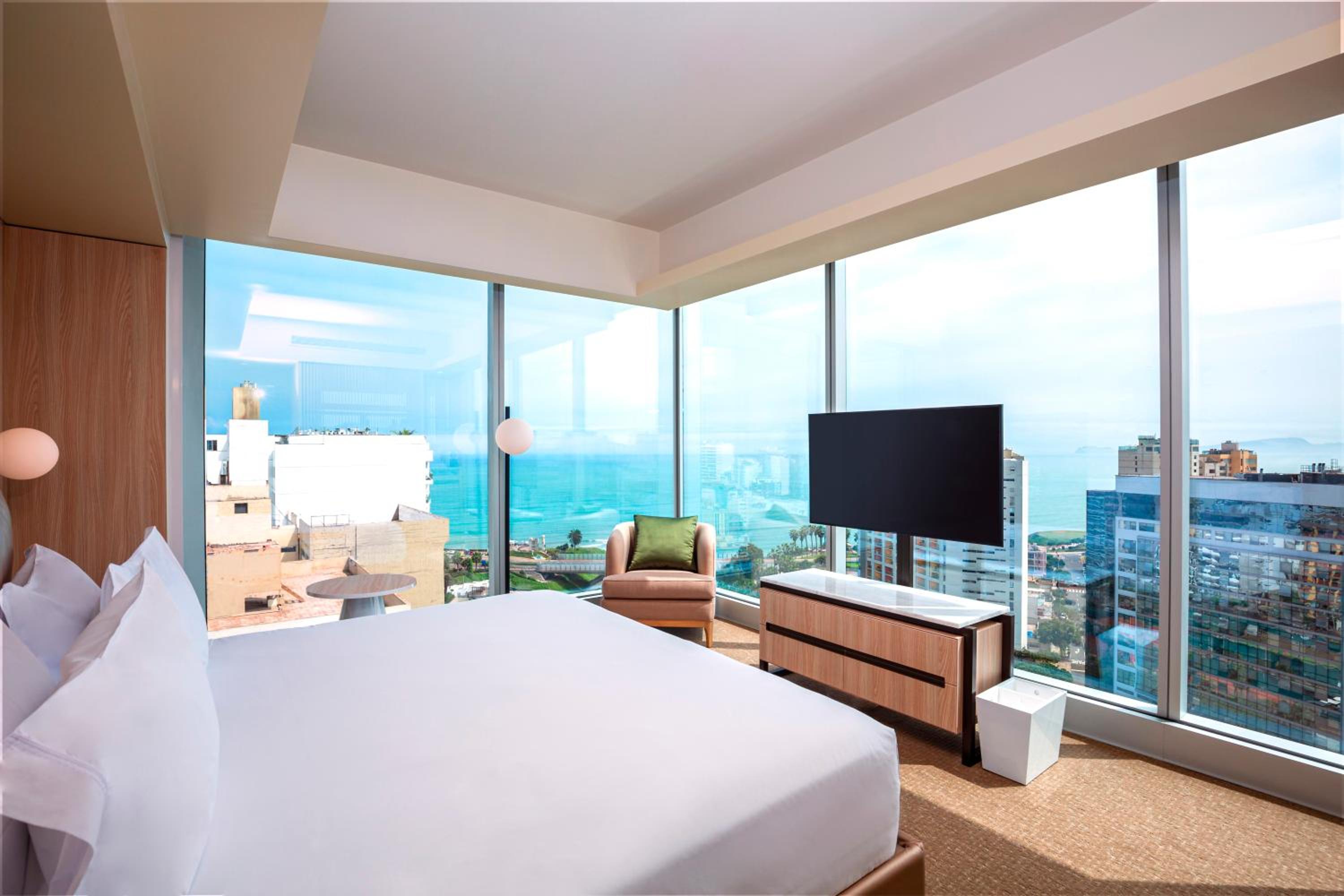
Most British travellers treat Lima as a corridor — land, sleep, fly on to Cusco — and it is the biggest missed opportunity in South America. This is a city of around ten million people, a third of Peru, laid out along seventy kilometres of desert coastline with cliffs falling straight into the Pacific, and it holds a UNESCO-listed colonial centre, adobe pyramids standing between apartment blocks, the finest museum of pre-Columbian art anywhere, a ten-kilometre clifftop park you can walk end to end, and a food scene that has twice produced the restaurant judged best in the world. What it also holds is some of the cheapest good hotel rooms of any capital city on earth. The most expensive bed in this entire guide, at Swissotel Lima, is around £117 a night. The cheapest is £18.
We have pulled together 49 real, bookable hotels here: 10 luxury, 10 mid-range and 29 budget properties, each one distinct and currently bookable, each linking straight to its live price. The full range runs from £18 a night at Rosenverg House Lima Airport up to that £117 ceiling — a spread of about six and a half times across the entire market, where London manages thirty. The more useful number is this one: in Lima you can sleep in Miraflores, the best district in the city for a first visit, in a branded three-star, for around £30 a night.
Jump to your budget: Luxury · Mid-range · Budget stays from £18 · FAQs
Scout's 3 best budget picks right now: 💸 Rosenverg House Lima Airport — from ~£18, the cheapest real room in this guide and a sensible answer to a 2am arrival at Jorge Chávez. 📊 ibis budget Lima Miraflores — from ~£30 with 4,276 reviews, an internationally branded room in the best district in Lima for less than a Premier Inn in Slough. 🏨 Novotel Lima San Isidro — from ~£42 with 931 reviews, a proper four-star in the quiet, leafy financial district. From-prices are live rates pulled while writing — tap any hotel for today's price on your dates.
Two practical things to settle before anything else. There are no direct flights from the UK to Lima. Every routing connects, and the least painful ones go through Europe — Madrid with Iberia, Air Europa or LATAM, Amsterdam with KLM, Paris with Air France, Frankfurt with Lufthansa — because you clear immigration only once, in Peru. The alternatives run through Miami, Dallas, Houston or Atlanta, which means clearing US immigration in transit and therefore holding a valid ESTA even though you never leave the airport, or through Bogotá with Avianca. Budget 15 to 17 hours door to door from London. Second, Jorge Chávez International Airport (LIM) sits in Callao, about 12km from the Centro Histórico and 18 to 20km from Miraflores — 40 to 60 minutes on a good run, up to 90 in Lima's traffic — served by fixed-price authorised taxi desks inside the terminal, the Airport Express Lima bus to Miraflores, hotel transfers and the ride-hailing apps. The airport moved into a large new terminal in 2025, so check your airline's terminal information rather than trusting older directions. Compare live Lima hotel prices or search UK flights to Lima (LIM).
The Best-Rated Hotels in Lima
These are the twenty highest-rated, best-evidenced hotels in the city — ten five-star properties first, then ten four-stars — and the first thing to notice is the prices. Lima's top tier starts at around £53 a night and tops out at £117, which means the entire luxury market here fits inside the price of one mid-range London hotel. These are real five-stars too: Accor, IHG, Hilton, Marriott-adjacent Swiss and Spanish groups, plus Casa Andina, Peru's own hotel company, which has five properties across this guide. Most of them sit in Miraflores or San Isidro, which are also the two districts you would choose to be in anyway.
1. SOUMA Hotel, Vignette Collection by IHG — Lima · 5★ · 2,726 reviews · from ~£107/night. The most-reviewed five-star anywhere in this guide, with more than 2,700 pieces of feedback behind it, and the third most expensive room here at around £107 a night. Vignette Collection is IHG's badge for individually designed hotels that keep their own identity rather than wearing a chain uniform, so you get an independent-feeling property with a global loyalty programme and IHG's complaints department behind it. That combination of scale of evidence and boutique character makes it the strongest single booking in the luxury tier.
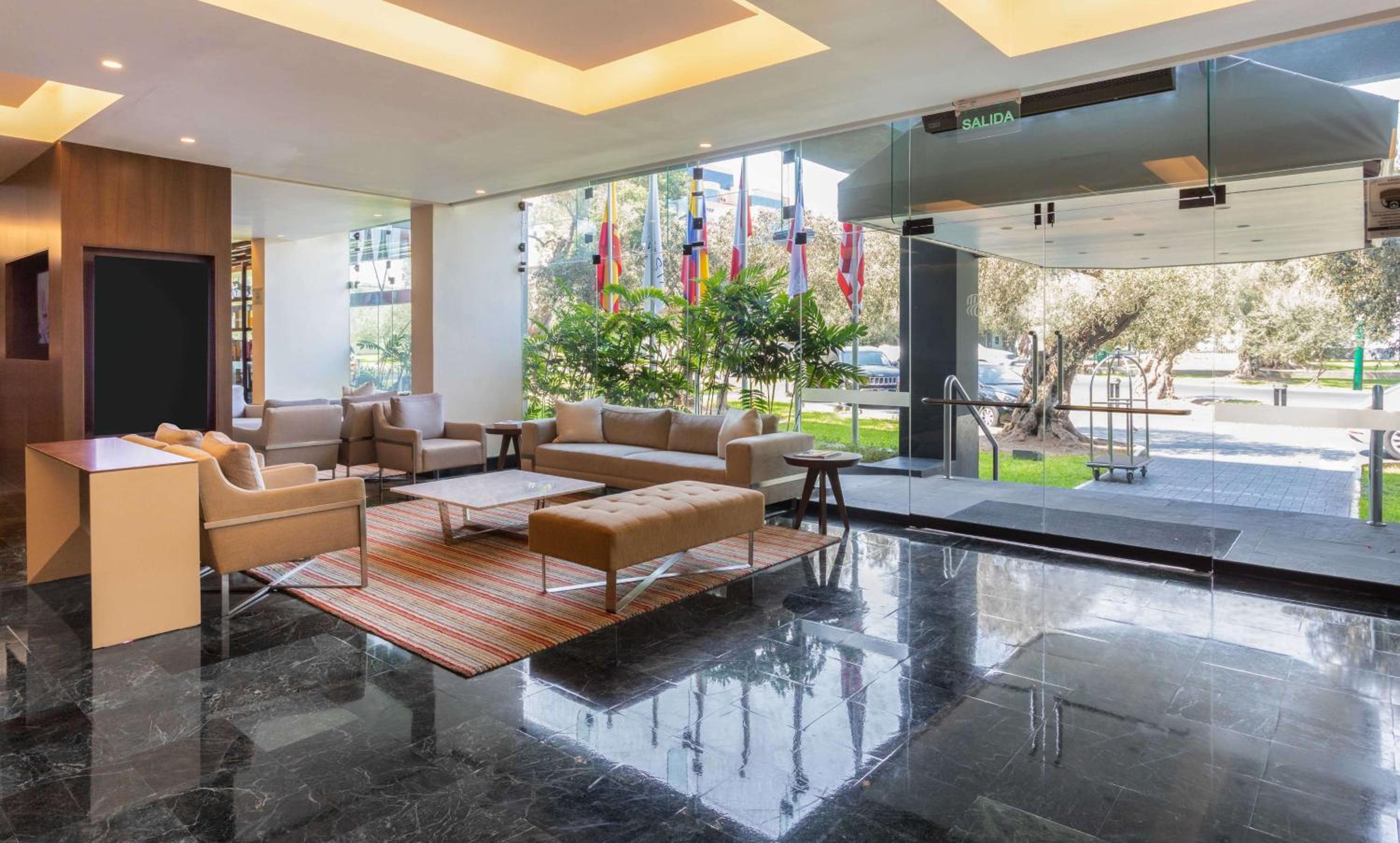
2. Sonesta Hotel El Olivar — Lima · 5★ · 1,986 reviews · from ~£53/night. The outright value pick of this entire guide: a five-star at around £53 a night with nearly 2,000 reviews behind it, which is less than eight of the four-star hotels further down this page. The name points at El Olivar in San Isidro, the sixteenth-century olive grove that is now the loveliest green space in Lima, ringed by embassies and quiet residential streets. If you want to stay somewhere genuinely smart in a genuinely nice part of the city without spending three figures, start here and stop looking.
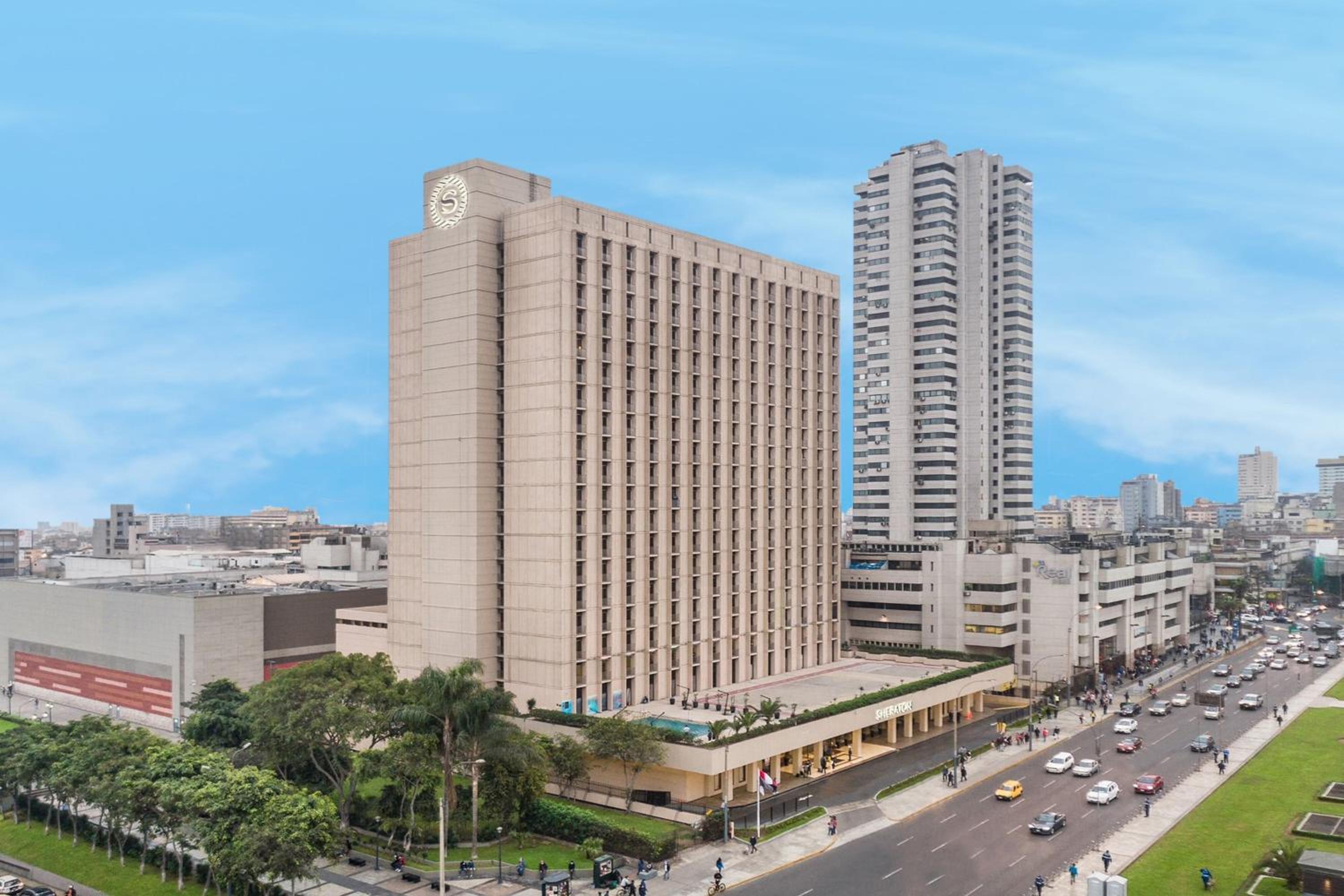
3. Sheraton Lima Historic Center — Lima · 5★ · 1,960 reviews · from ~£69/night. A full-size international five-star on the edge of the Centro Histórico, at around £69 a night with nearly 2,000 reviews. This is the answer for anyone whose Lima trip is really about the colonial city — the Plaza Mayor, the cathedral, the San Francisco catacombs and the Museo de Arte de Lima are all close enough to walk in daylight, which is not true of anywhere in Miraflores. The trade is the evenings: the Centro empties after dark, so plan on taking a car out for dinner and back again.
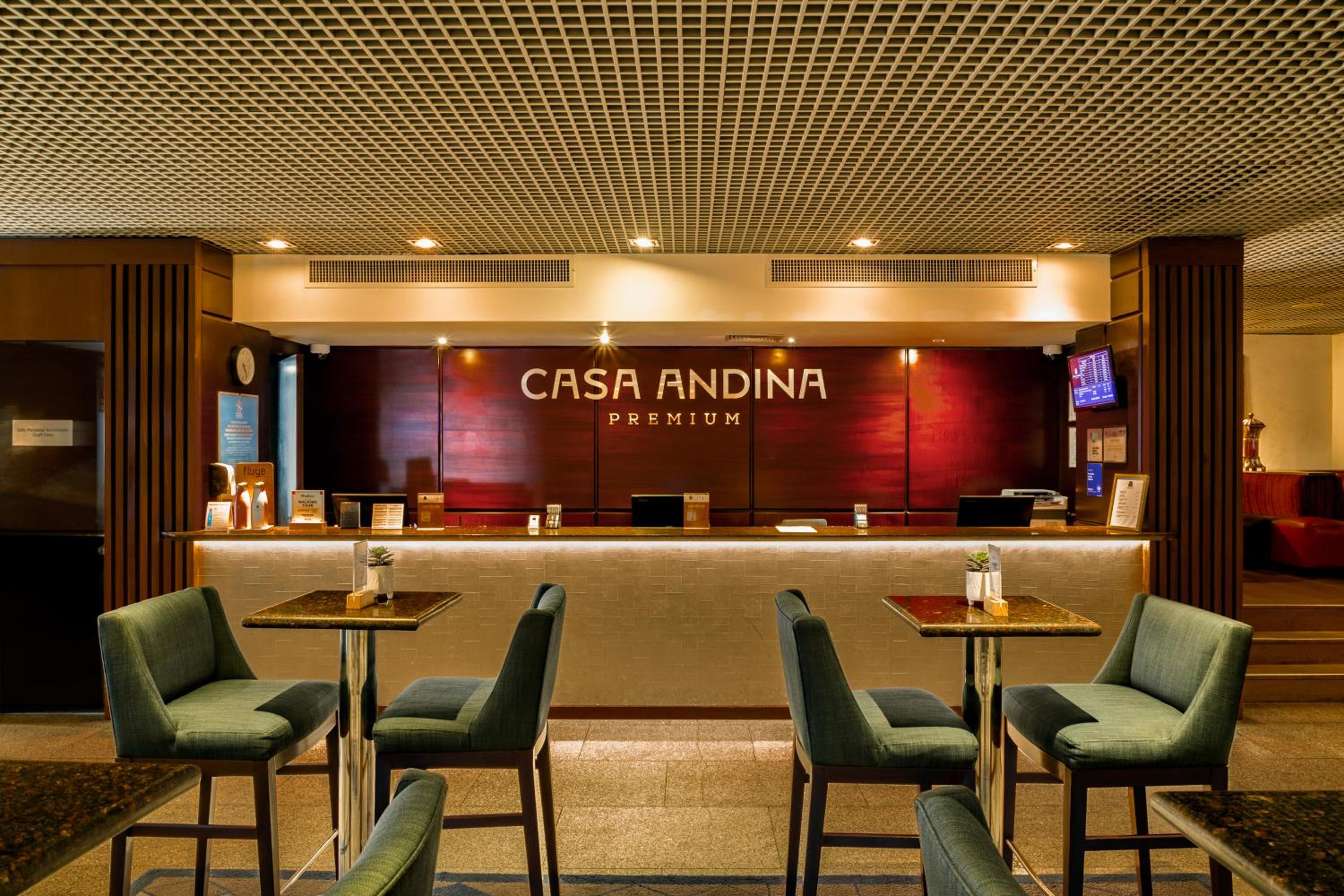
4. Casa Andina Premium Miraflores — Lima · 5★ · 1,841 reviews · from ~£97/night. Casa Andina is Peru's own hotel group and Premium is the top of its three tiers, so this is a home-grown five-star rather than an imported one — which in practice means Peruvian breakfasts, staff who know the country properly and a design language borrowed from the Andes rather than from an international brand manual. At around £97 a night in the heart of Miraflores it is not cheap by Lima standards, but it is about a third of what the equivalent costs in a European capital.
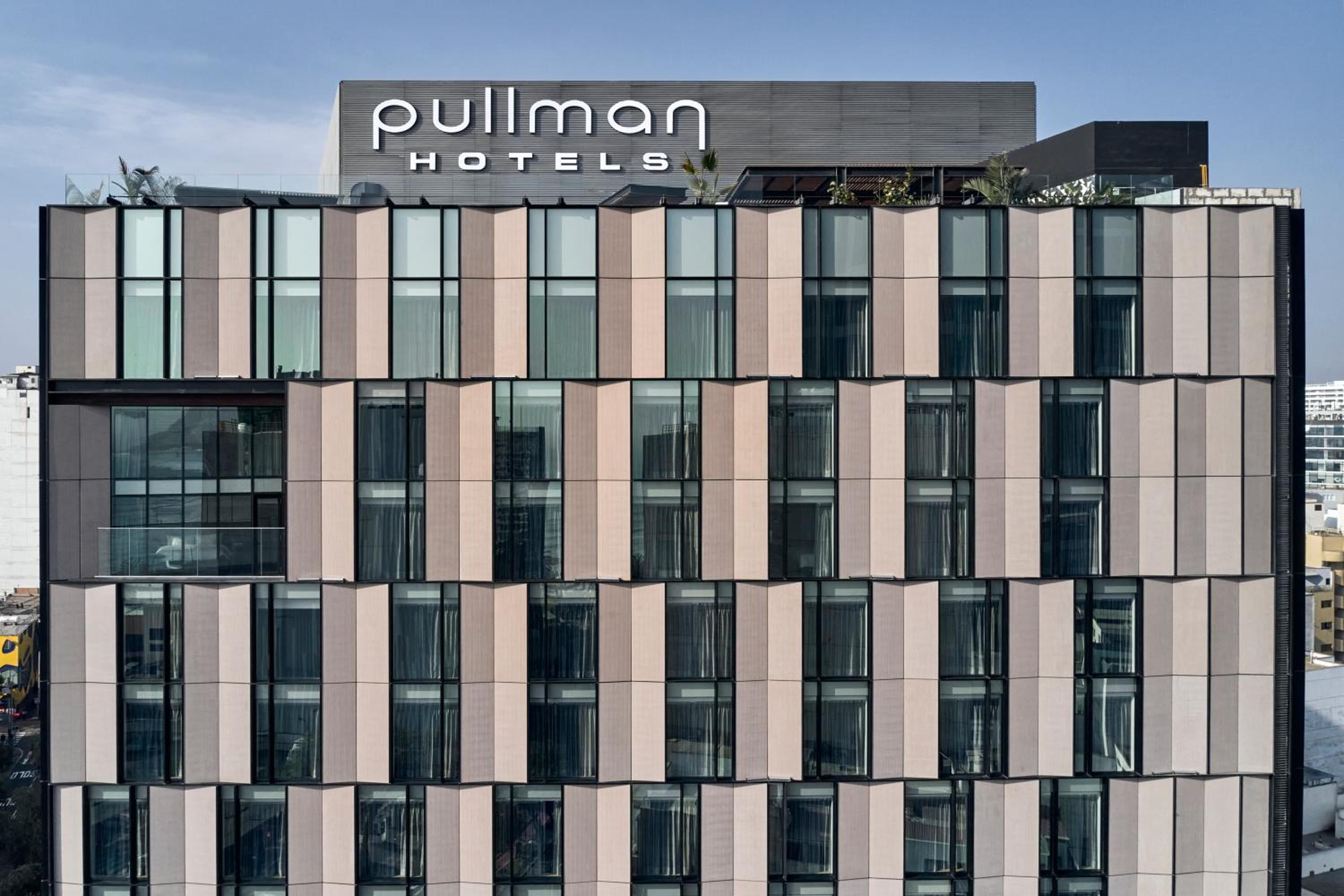
5. Pullman Lima Miraflores — Lima · 5★ · 1,604 reviews · from ~£110/night. Accor's upscale Pullman flag in Miraflores, at around £110 a night — the second most expensive room in this guide — with more than 1,600 reviews. Accor is unusually well represented in Lima, with eight properties across this page from Swissôtel and Pullman at the top down to ibis budget at the bottom, and if you collect ALL points this is where they are worth the most. Expect a proper business-and-leisure tower: gym, pool, restaurant, meeting space, and the Miraflores restaurant grid outside the door.
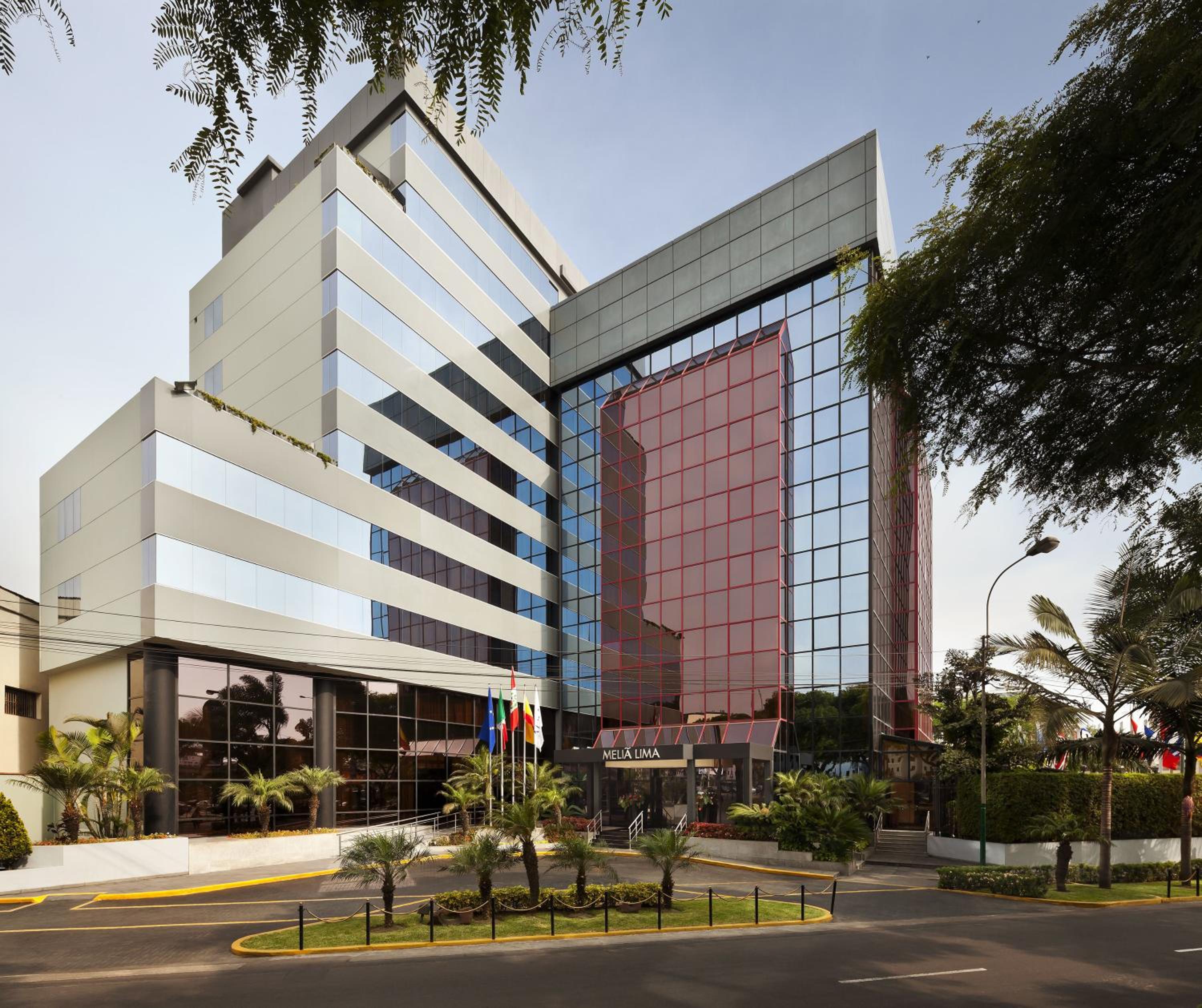
6. Meliá Lima — Lima · 5★ · 1,441 reviews · from ~£58/night. The Spanish Meliá group's Lima flag, and the second-cheapest five-star in this guide at around £58 a night with 1,441 reviews. That is remarkable money for a European-brand five-star in a capital city, and it puts Meliá directly against the Sonesta above as the value play in this tier. Check the map pin against your plans before you book — in Lima the difference between a hotel in San Isidro and one in Miraflores is twenty minutes of traffic each way, every day.
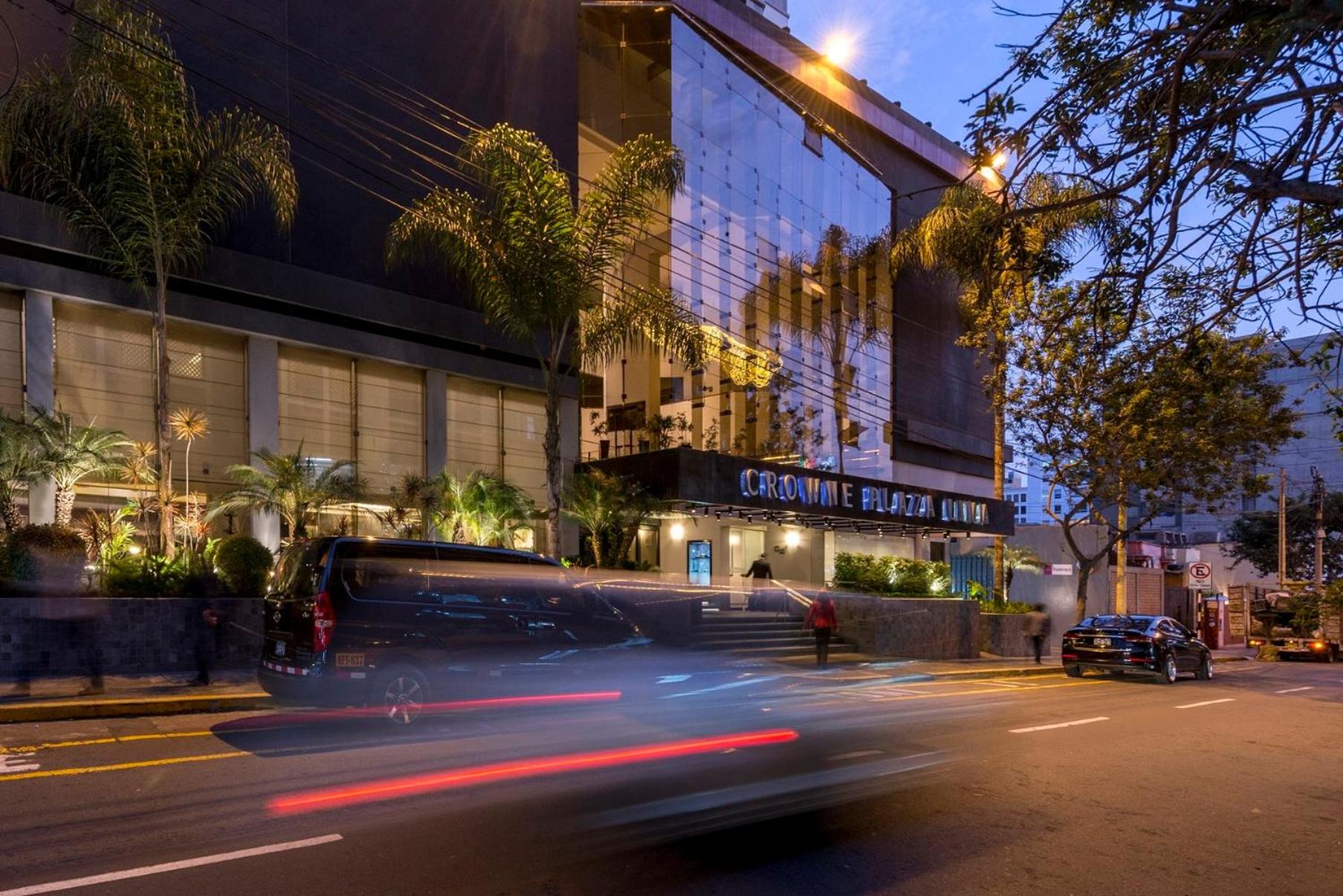
7. Crowne Plaza Lima by IHG — Lima · 5★ · 1,439 reviews · from ~£78/night. A conventional, well-run IHG five-star at around £78 a night with nearly 1,450 reviews — the sort of hotel where the air conditioning, the wifi, the buffet and the late checkout all simply work, and nothing surprises you in either direction. It is the second of three IHG properties in this guide alongside SOUMA at number one and the Holiday Inn at the airport, and it is the sensible pick for a business trip or a first night in South America where you want zero friction.
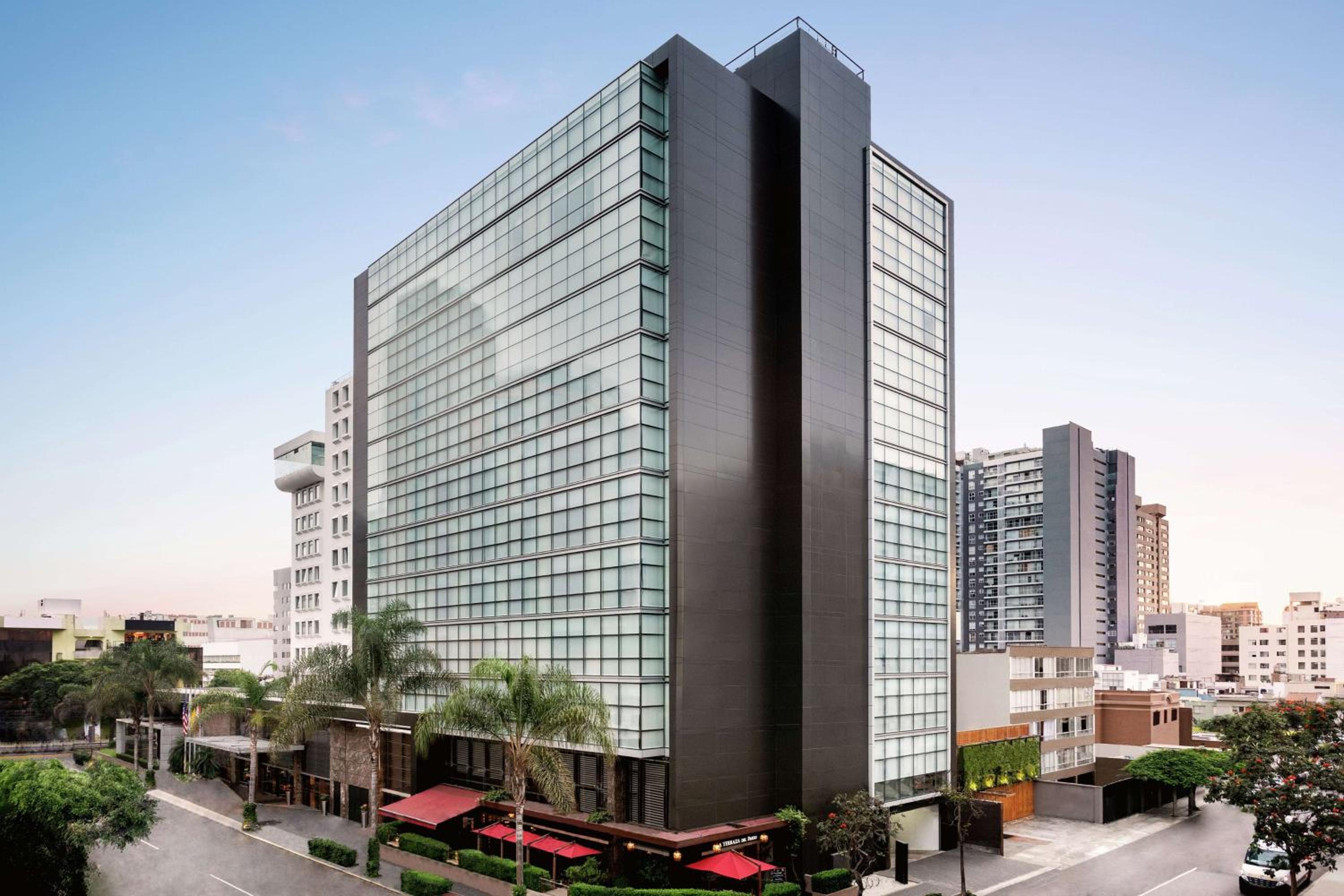
8. DoubleTree by Hilton Lima Miraflores El Pardo — Lima · 5★ · 1,335 reviews · from ~£91/night. Hilton's only entry in this guide, on Avenida José Pardo in Miraflores — one of the district's main tree-lined avenues, running from Parque Kennedy down towards the clifftop, which means you are within a ten-minute walk of most of what makes Miraflores worth staying in. At around £91 a night with 1,335 reviews it is priced squarely in the middle of the luxury tier, and the Hilton Honors programme is the deciding factor for a lot of people.

9. Casa Andina Premium San Isidro — Lima · 5★ · 1,213 reviews · from ~£67/night. The San Isidro sibling to number four, at around £67 a night — thirty pounds cheaper than the Miraflores Premium for the same brand tier, which is the clearest illustration on this page of what the Miraflores postcode costs. San Isidro is Lima's financial and diplomatic district: quiet, green, extremely safe-feeling, excellent for sleeping and for serious restaurants, and a short taxi from the Barranco nightlife you will not hear from your room.
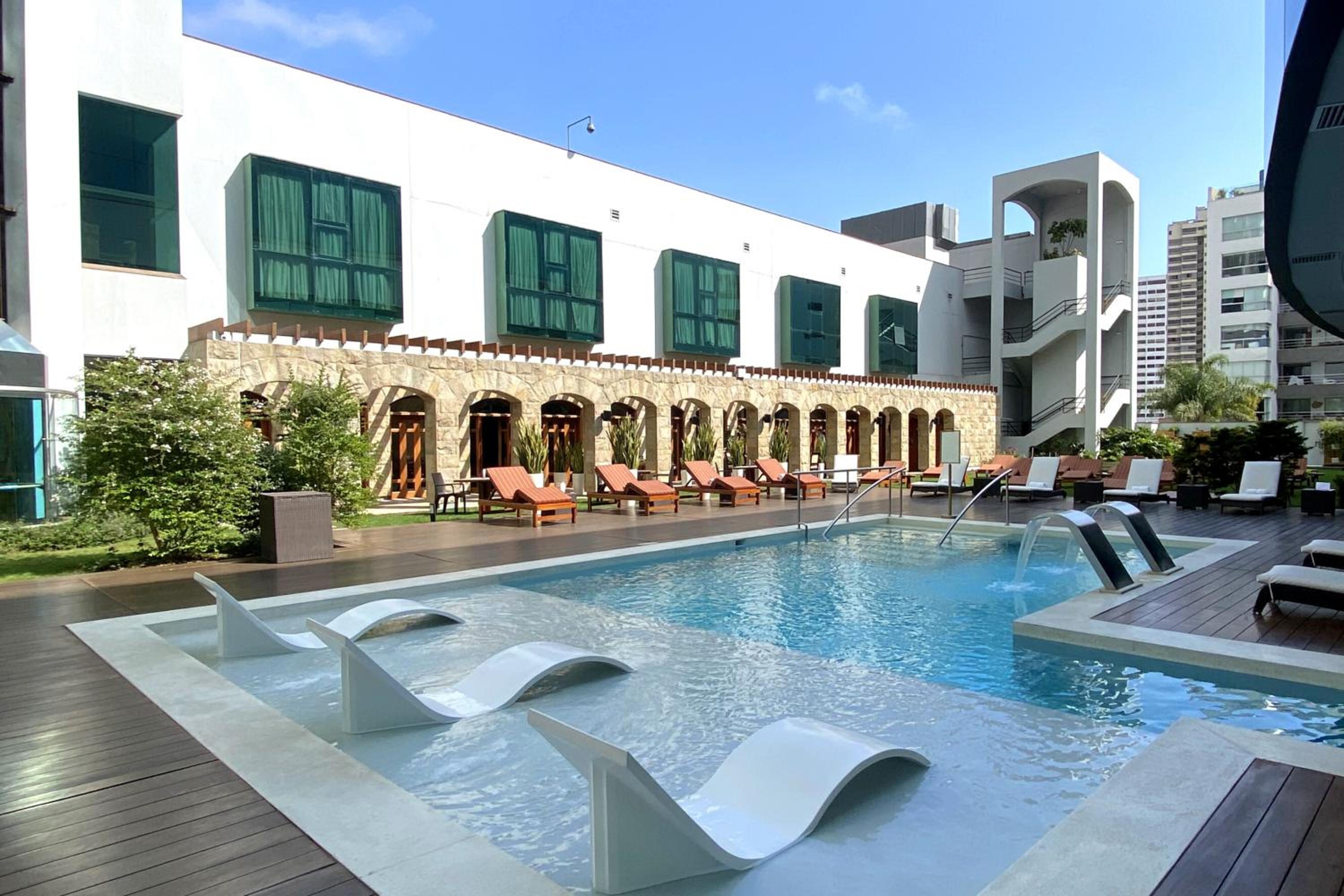
10. Swissotel Lima — Lima · 5★ · 811 reviews · from ~£117/night. The most expensive hotel in this guide at around £117 a night, and the top of Lima's market — which tells you almost everything about the value of this city, because £117 is a Tuesday night at a chain hotel near Heathrow. Swissôtel is the luxury arm of the Accor family and this is a large, formal, business-district property with the pools, gym, spa and multiple restaurants that implies. Book it if you want the best room in the city and are pleasantly surprised that the best room in the city costs this little.
Prices are live from-rates pulled while writing, not fixed quotes. Lima's hotel market moves with the December to April coastal summer, with the late-July national holidays and with Machu Picchu season, since a large share of the city's visitors are transiting to Cusco. See all Lima stays · Compare flights to Lima (LIM)
The Best Mid-Range Hotels in Lima
This is the tier most visitors should actually book, and in Lima it is exceptionally well stocked. Ten four-star hotels between roughly £47 and £101 a night, almost all of them carrying between 1,400 and 5,300 reviews, spread across Miraflores, San Isidro and the airport corridor. Several of them are cheaper than the two cheapest five-stars above, which means the honest advice here is to compare across tiers rather than within them — a £53 Sonesta and a £55 Miraflores four-star are the same decision, not different ones.
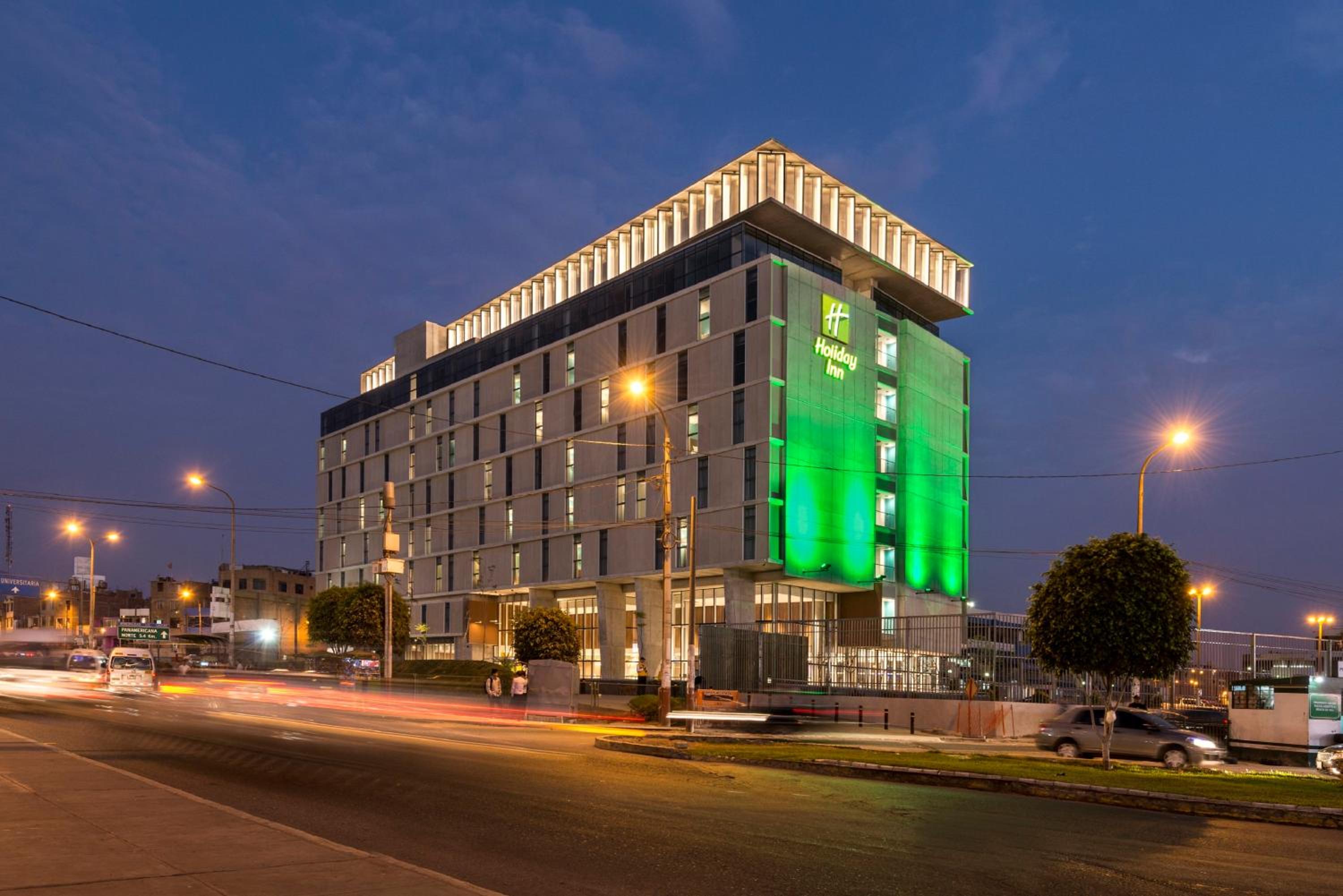
11. Holiday Inn - Lima Airport by IHG — Lima · 4★ · 5,269 reviews · from ~£78/night. The most-reviewed hotel in this entire guide by a wide margin — 5,269 pieces of feedback — which is exactly what happens to a reliable branded hotel attached to the busiest airport in Peru. At around £78 a night it is not the cheapest way to sleep near Jorge Chávez, and the airport rooms further down this page cost a third of it, but this is the one with a proper restaurant, a gym and 24-hour service for a 3am departure. Book it for the night before an early Cusco flight or after a long-haul arrival, not as a base for the city.
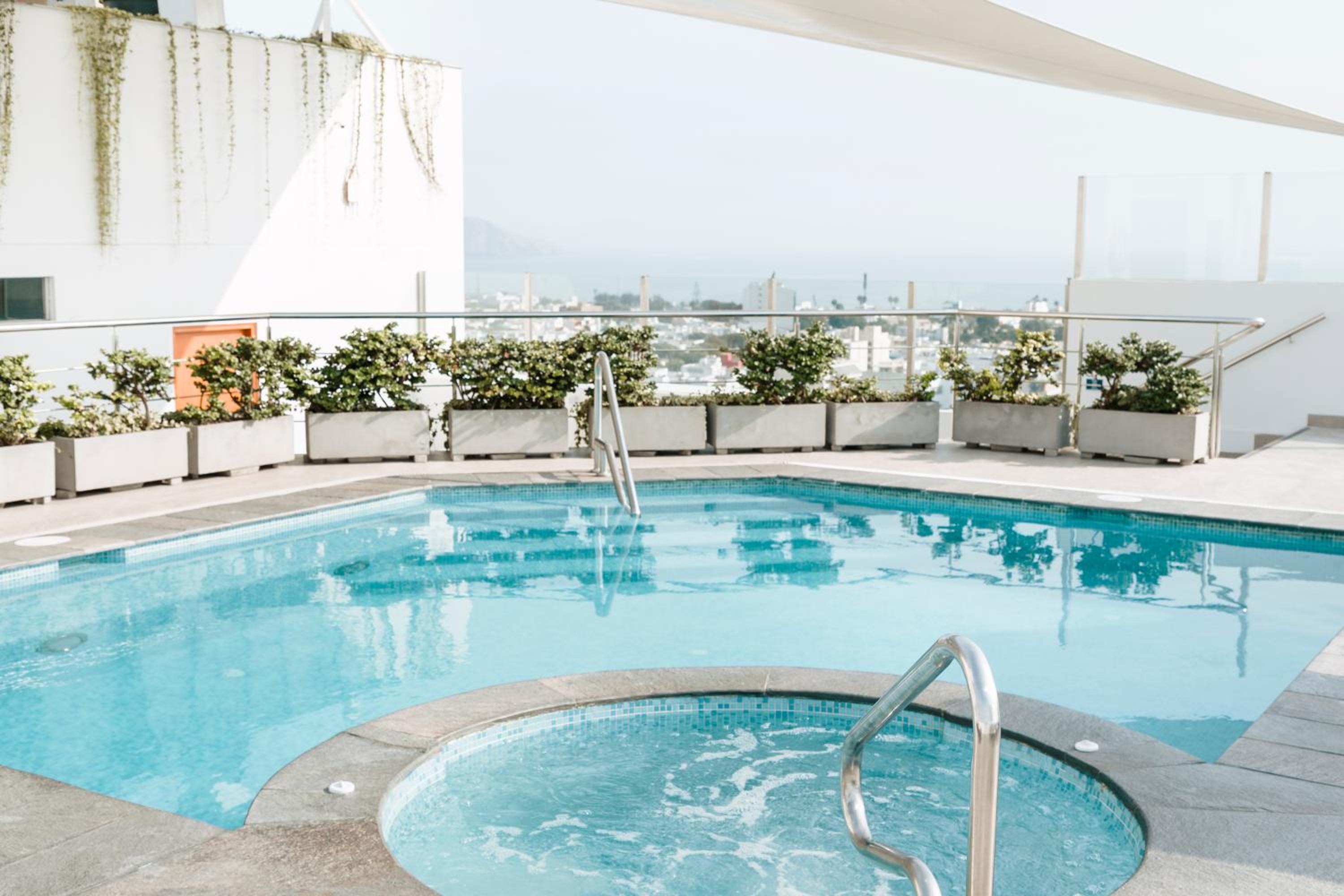
12. Wyndham Costa del Sol Lima City — Lima · 4★ · 3,420 reviews · from ~£65/night. Costa del Sol is Peru's own hotel chain, present in most of the country's cities and flying the Wyndham flag, and this is its Lima property at around £65 a night with 3,420 reviews — the fourth-largest review base in the guide. A domestic chain with international backing is usually the sweet spot in a market like this: local knowledge at the front desk, a recognisable standard behind the room. One of the most dependable bookings on this page.
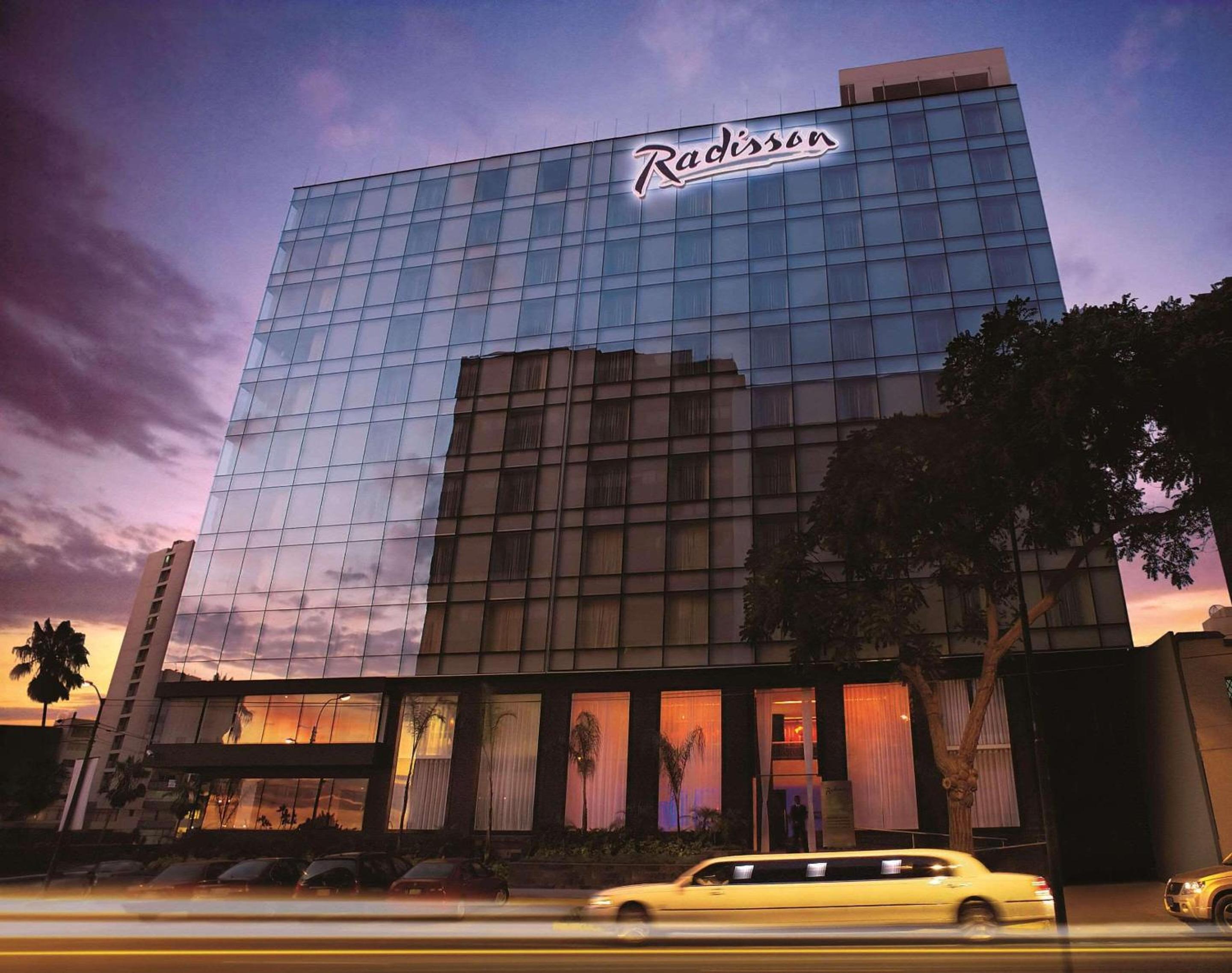
13. Radisson Hotel Decapolis Miraflores — Lima · 4★ · 2,824 reviews · from ~£75/night. A Radisson-branded four-star in Miraflores at around £75 a night with 2,824 reviews. Miraflores is the district you want for a first Lima trip and this sits in the middle of it, which is the whole proposition — walk to Parque Kennedy, the Malecón, Larcomar and a hundred restaurants, and take a car only for the Centro and the museums. Compare it directly against the Casa Andina Select at number 20, which is seventeen pounds cheaper in the same district.
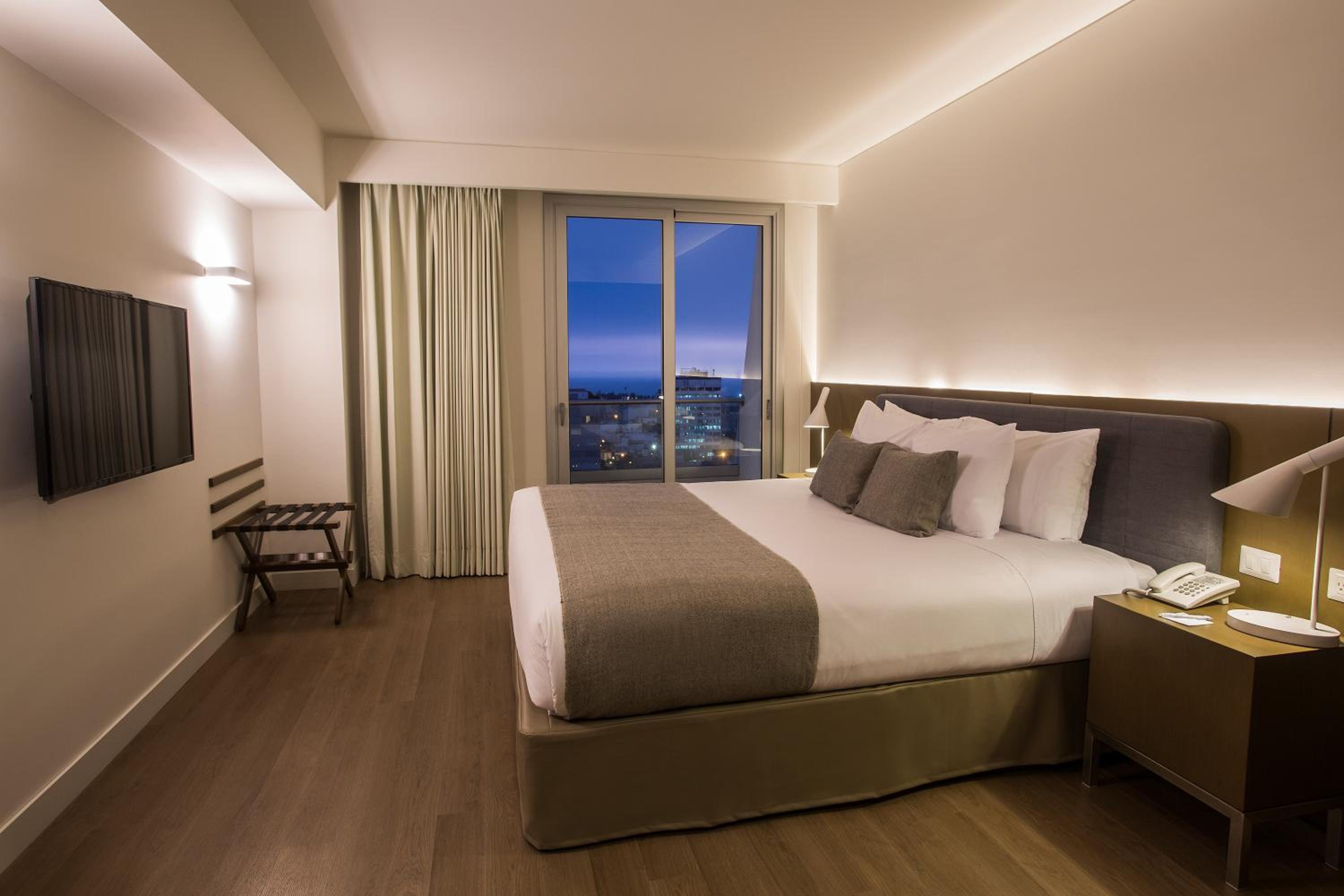
14. Dazzler by Wyndham Lima San Isidro — Lima · 4★ · 2,435 reviews · from ~£47/night. Joint-cheapest hotel in the mid-range tier at around £47 a night, with 2,435 reviews and a Wyndham badge, in San Isidro. A four-star in Lima's quietest and greenest district for under fifty pounds is the sort of number that makes this city worth a second look, and Dazzler is Wyndham's modern, design-led tier rather than its budget one. If you want calm streets, the El Olivar grove and a proper hotel without spending, this is the pick of the page.
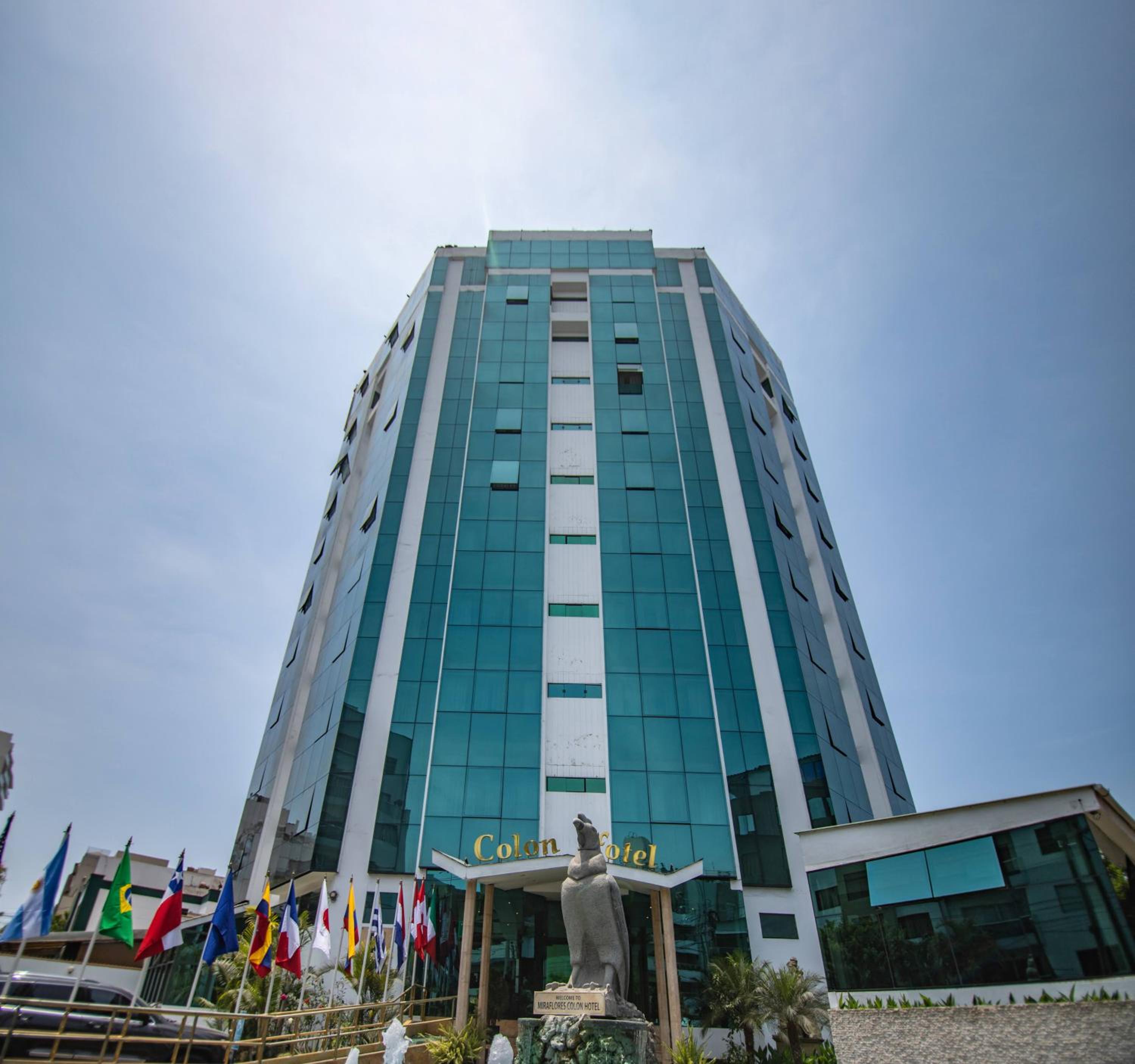
15. Miraflores Colon Hotel — Lima · 4★ · 2,139 reviews · from ~£55/night. An independent four-star in Miraflores at around £55 a night with a strong 2,139 reviews. Independents in this bracket usually mean more character and less predictability than a chain, but two thousand-plus reviews is enough evidence that the basics are right. At this price, in this district, it is one of the three or four best quality-to-cost ratios in the guide.
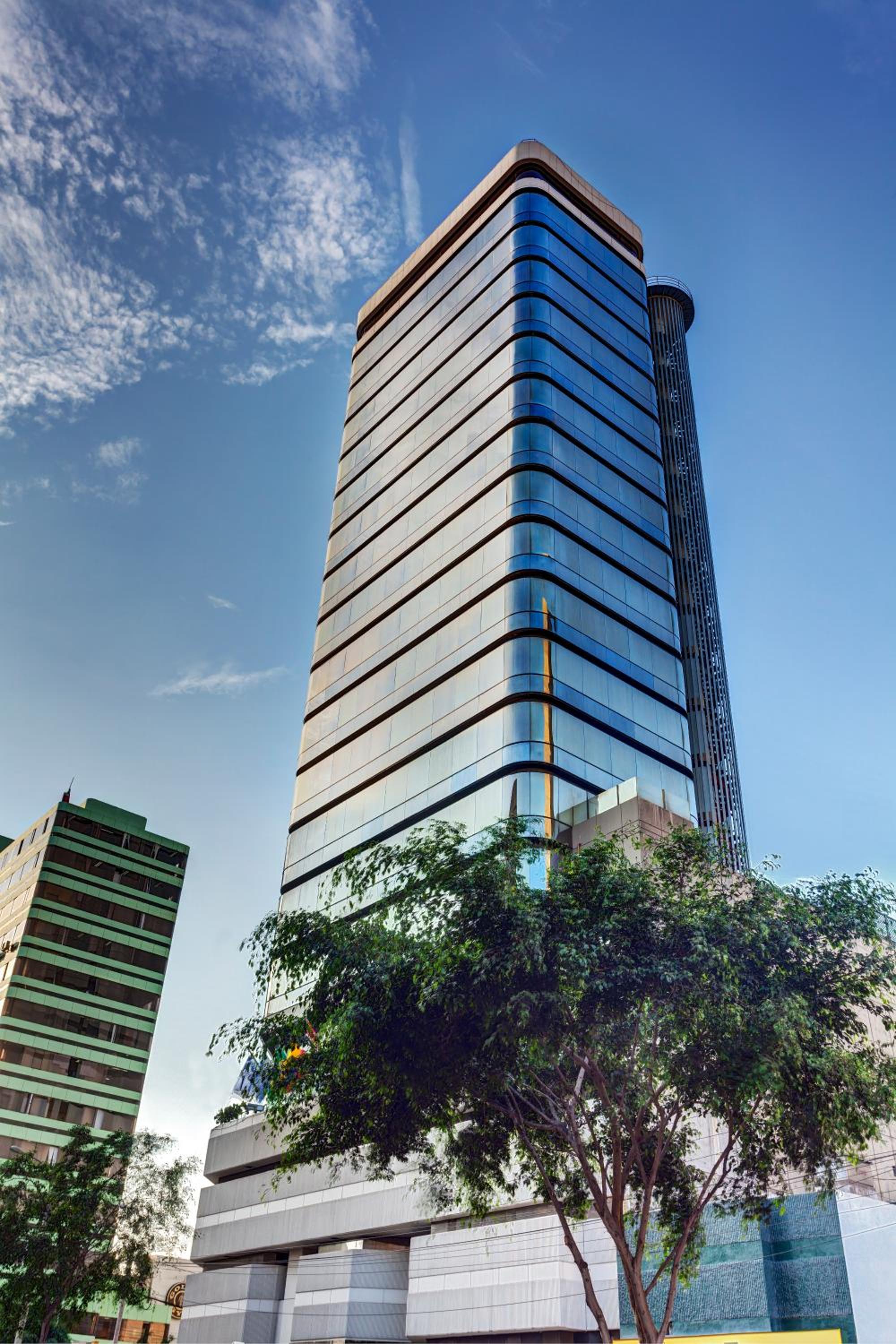
16. Hotel Estelar Miraflores — Lima · 4★ · 2,002 reviews · from ~£63/night. Estelar is a well-regarded Colombian hotel group with a strong presence across the Andean countries, and this is its Miraflores property at around £63 a night with almost exactly 2,000 reviews. Solid, conventional, city-centre four-star accommodation of the kind that Latin American business travellers use week in and week out, which is generally a better guarantee than any amount of design.
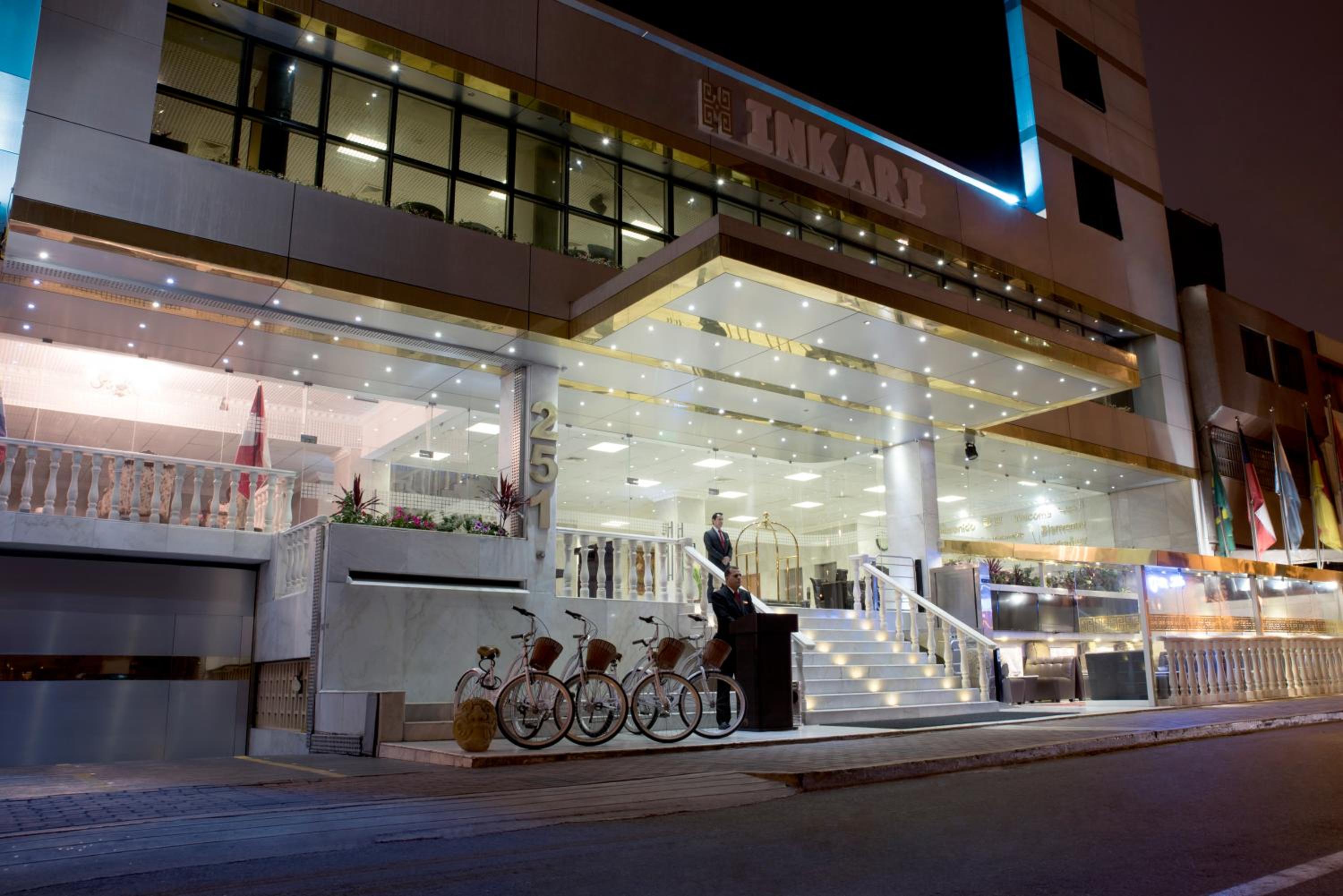
17. Luxury Inkari Hotel — Lima · 4★ · 1,884 reviews · from ~£85/night. An independent four-star at around £85 a night with 1,884 reviews — one of the more expensive rooms in this tier and one of the few that is neither a chain nor an obvious business hotel. The Inkari name and the fit-out lean into Peruvian craft and design, which some travellers will pay the premium for and others will not. Read the most recent reviews to see which room categories justify the step up before you book the cheapest available.
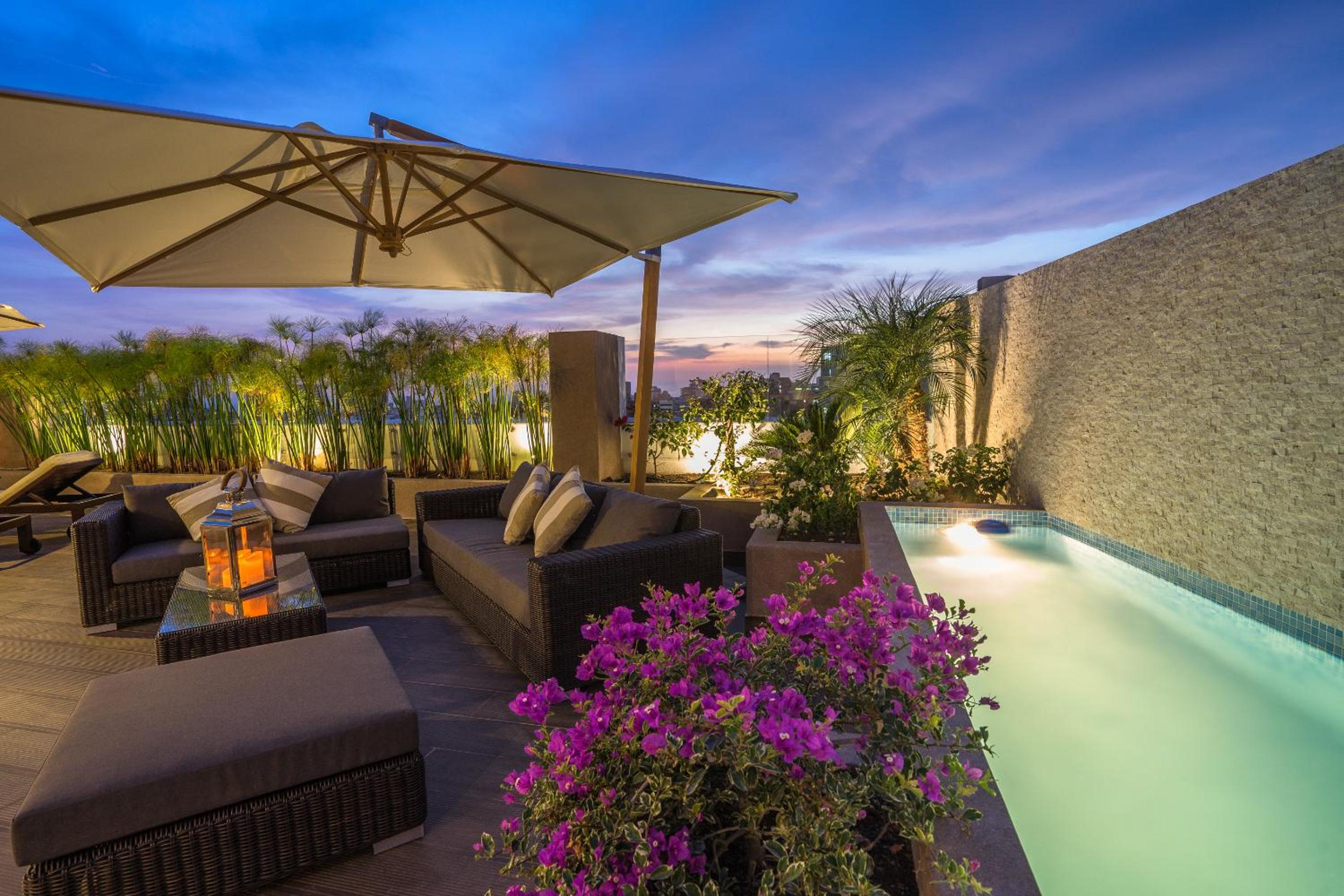
18. Jose Antonio Deluxe — Lima · 4★ · 1,826 reviews · from ~£101/night. The most expensive room in the mid-range tier at around £101 a night, and the fourth most expensive hotel in this guide overall — a four-star priced above six of the ten five-stars above it, which is worth pausing on. José Antonio is a long-established Peruvian hotel name and the Deluxe property is its senior Lima address, with 1,826 reviews behind it. Compare it side by side with the Sonesta and the Meliá on your dates before committing, because on price alone this is a hard sell.
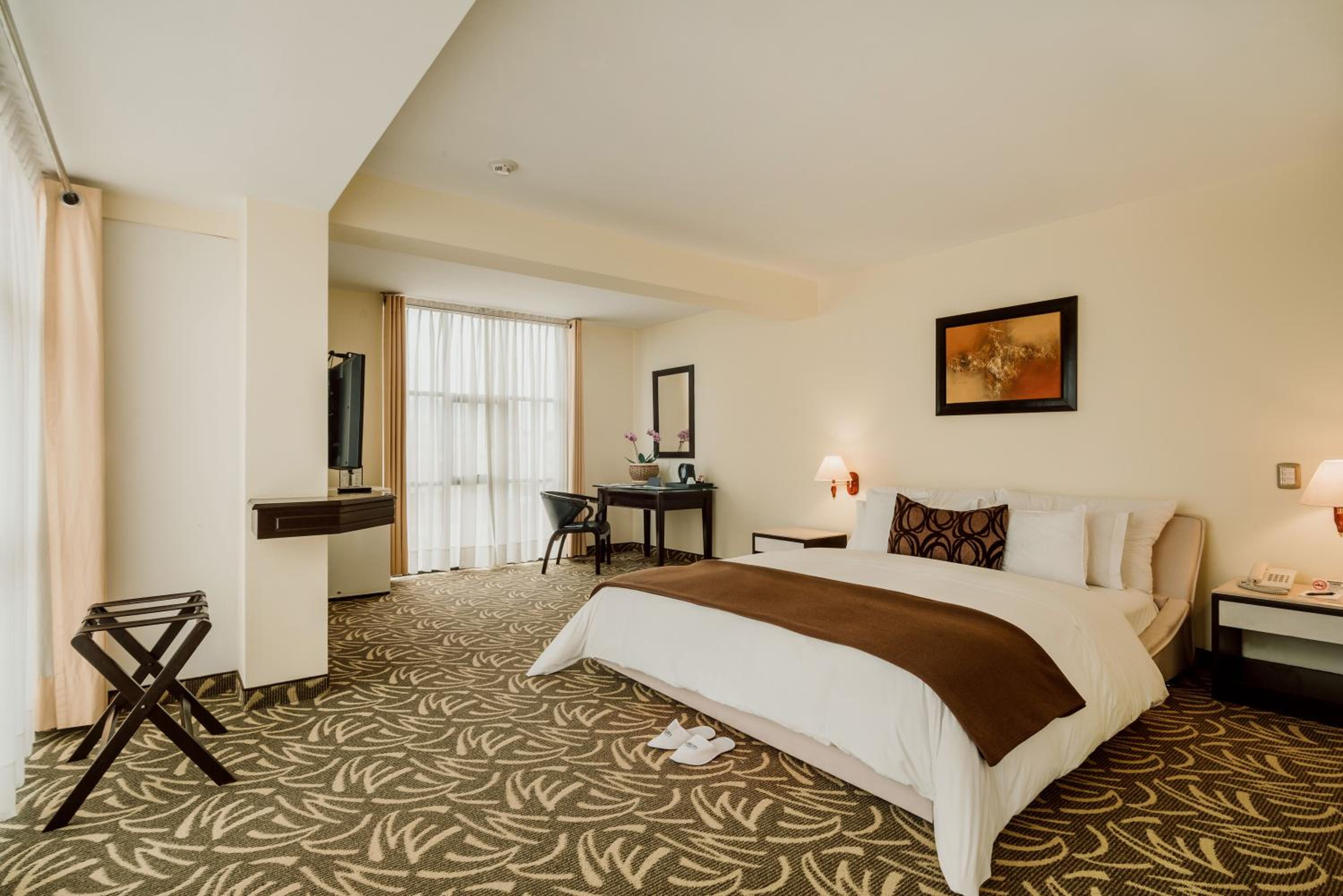
19. Hotel Nobility — Lima · 4★ · 1,586 reviews · from ~£47/night. Joint-cheapest in this tier alongside the Dazzler at around £47 a night, with 1,586 reviews behind an independent four-star. That is a lot of hotel for the money in a city where the four-star average sits nearer £65, and the review volume is more than enough to trust. Check the exact map pin against your plans, because in Lima the district decides how much of your holiday you spend in a car.
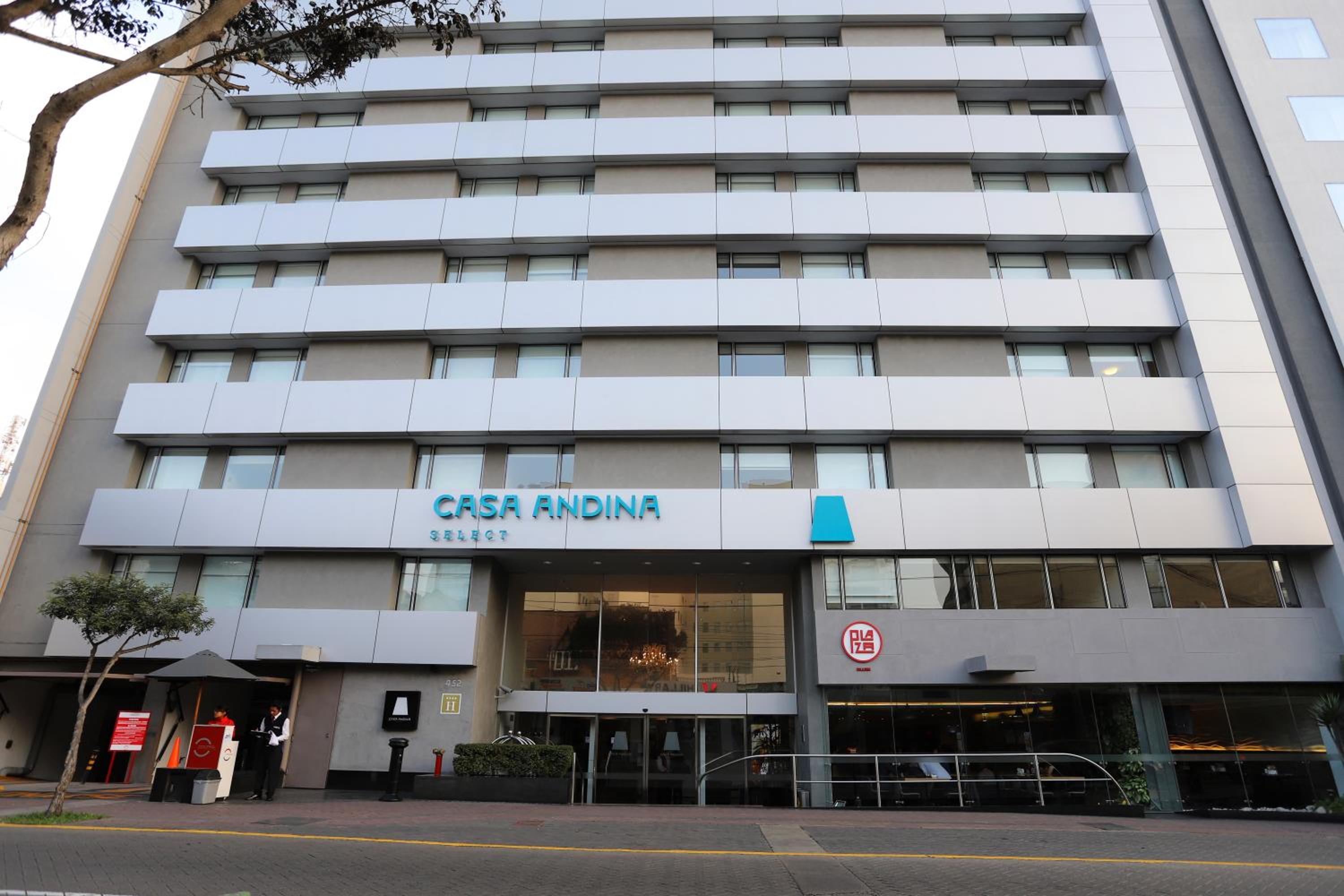
20. Casa Andina Select Miraflores — Lima · 4★ · 1,457 reviews · from ~£58/night. Select is the middle of Casa Andina's three tiers, between the Premium properties in the luxury section and the Standard ones in the budget section, and at around £58 a night in Miraflores with 1,457 reviews it is arguably the best-judged room in the whole guide. You get Peru's own hotel group, a four-star specification, the best district in the city and a price below the two cheapest five-stars. If someone asked for a single recommendation for a first trip to Lima, this would be it.
Mid-range Lima rates are driven by two different markets — leisure travellers in the December to April summer and a steady year-round business trade in San Isidro — so weekday and weekend prices can move in either direction. If your dates are flexible, check both. See all Lima stays · Compare flights to Lima (LIM)
Cheap Hotels in Lima — 49 Real, Bookable Options From £18
This is the part of the guide that matters most, and Lima delivers on it better than almost any capital we have written up. 29 of the 49 hotels here are budget properties, running from £18 to £44 a night — a budget tier with a ceiling lower than a single night in a Travelodge on the M6. And the crucial detail is where they are: this is not a list of rooms exiled to the outskirts. Five internationally branded ibis hotels sit in Miraflores and San Isidro between £30 and £38. Two Casa Andina hotels sit in Miraflores at £38 and £39. A four-star Novotel appears at £42 and a four-star Suites del Bosque at £43.
The honest trade at the very bottom of the range is evidence rather than location. The cheapest rooms here — the £18 airport property, the £25 boutique hostal, the £29 pair — carry review counts in the double figures rather than the thousands, which means less certainty about what you are walking into. The sweet spot, and the answer for most readers, is the £30 to £40 band, where you get four-figure review counts, international branding and a Miraflores or San Isidro postcode. Every property below is real, distinct and currently bookable, listed cheapest first.
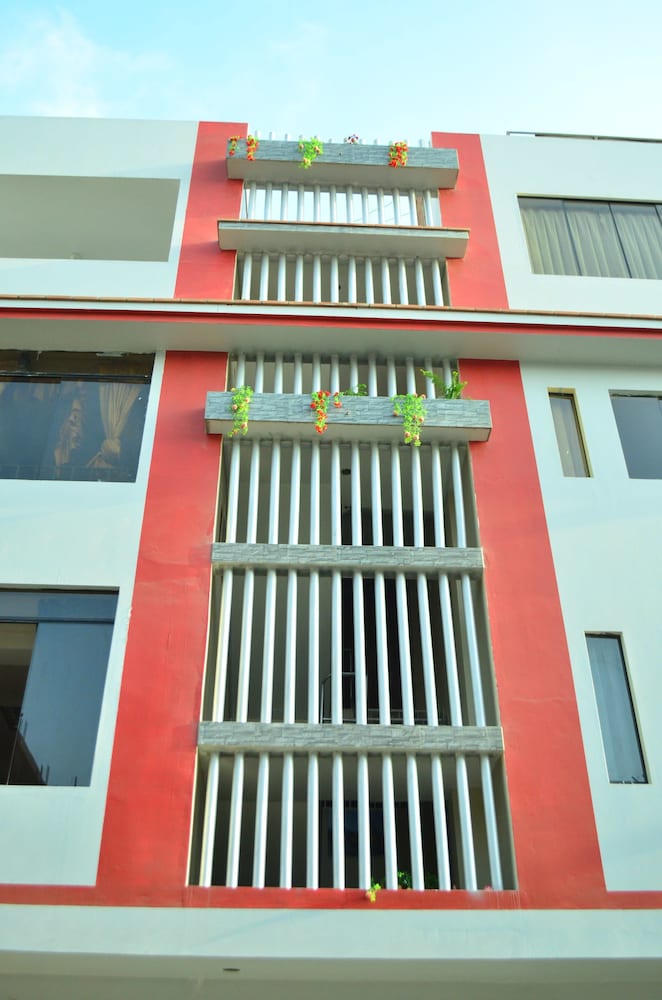
21. Rosenverg House Lima Airport — Lima · 2★ · 20 reviews · from ~£18/night. The cheapest room in this entire guide at around £18 a night, and one of our three headline budget picks — a small guesthouse near Jorge Chávez rather than a hotel, which is exactly the right tool for one specific job. If you land at 1am off a Madrid connection, or you have a 5am domestic flight to Cusco, paying eighteen pounds to sleep near the terminal instead of a hundred in Miraflores plus two taxi fares is simply the correct decision. The 20-review base is the thinnest on this page, so read every one of them and manage your expectations: this is a bed and a shower near the airport, not a hotel.
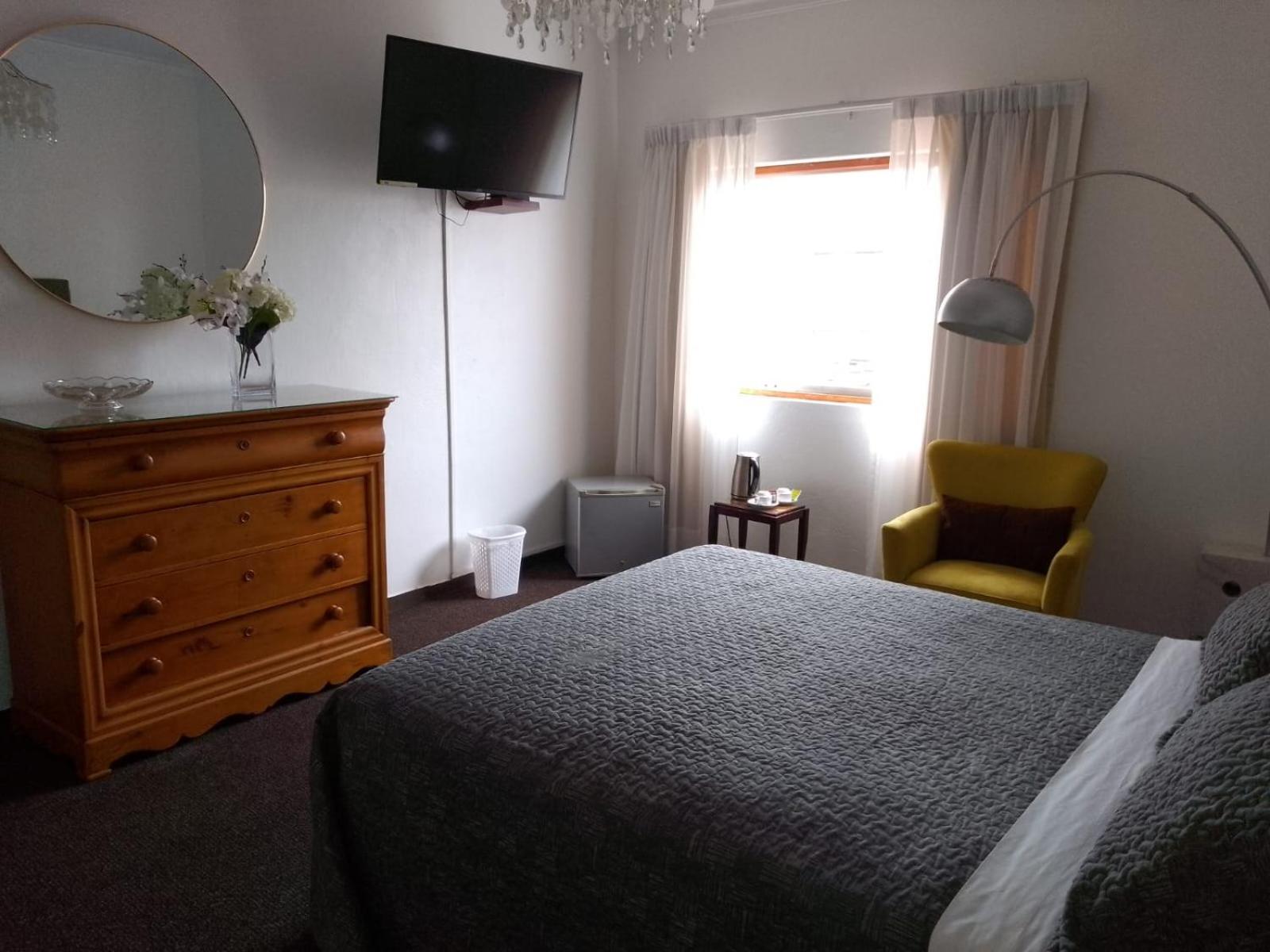
22. Jose Luis Hostal Boutique — Lima · 2★ · 89 reviews · from ~£25/night. At around £25 a night this is the cheapest room in this guide that is not an airport property, with 89 reviews behind it. In Peru a hostal is not a hostel — it means a small, family-run guesthouse with private rooms, usually in a converted house, and it is the traditional bottom rung of the country's accommodation ladder. Expect a simple private room, a family owner who may not speak much English and a genuine local welcome. Excellent value if that is what you want; check the map pin carefully, because at this price the district varies.
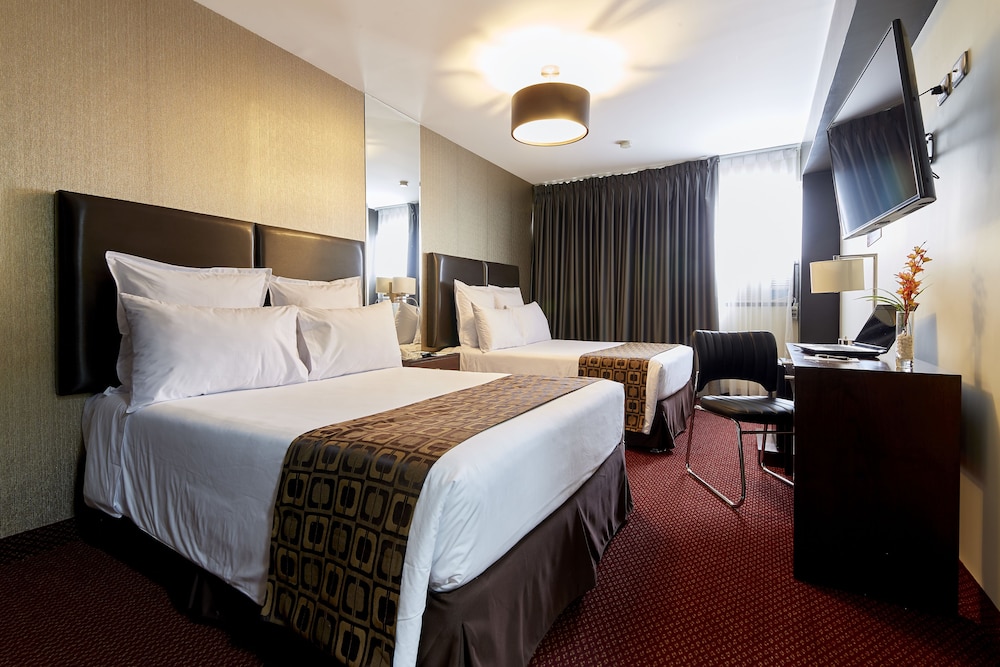
23. Hotel Carrera SAC — Lima · 3★ · 65 reviews · from ~£29/night. A three-star at around £29 a night with 65 reviews. The SAC in the name is simply the Peruvian equivalent of Ltd — a sociedad anónima cerrada — rather than anything about the hotel, which is a small independent operating at the cheap end of the market. Thin evidence at 65 reviews, so compare it directly against the ibis budget at number 25, which costs a pound more and carries four thousand more reviews.
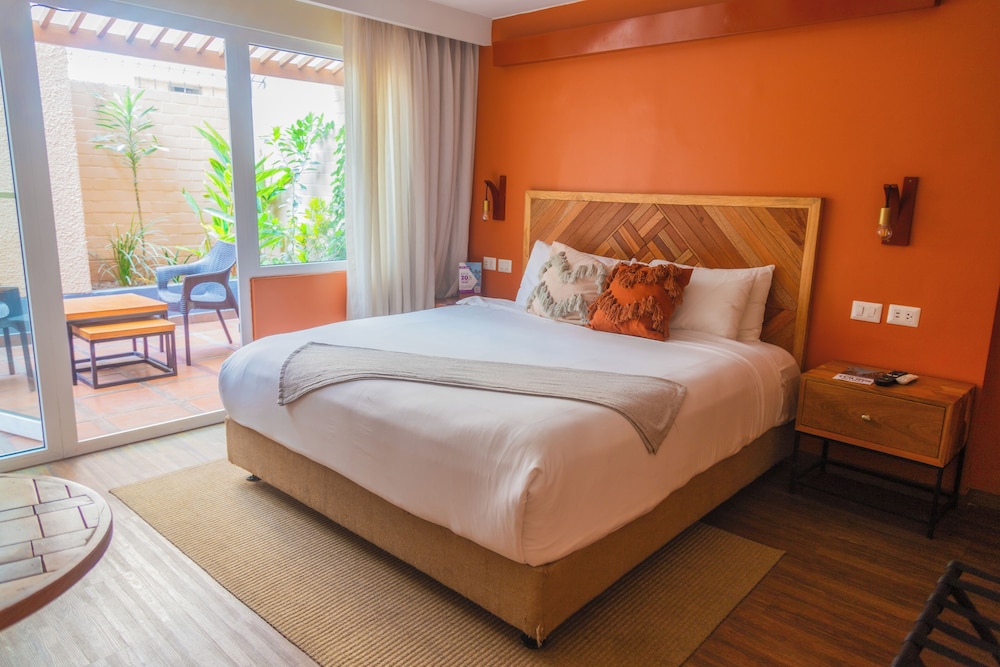
24. qema Lima — Lima · 3★ · 103 reviews · from ~£29/night. A small, design-leaning three-star at around £29 a night with 103 reviews — one of the more interesting-looking properties at the bottom of this list, and better evidenced than most of its price neighbours. At this money you are into the territory where a Lima room costs less than lunch for two in London, so the sensible approach is to book on location and recency of reviews rather than on saving another two pounds.
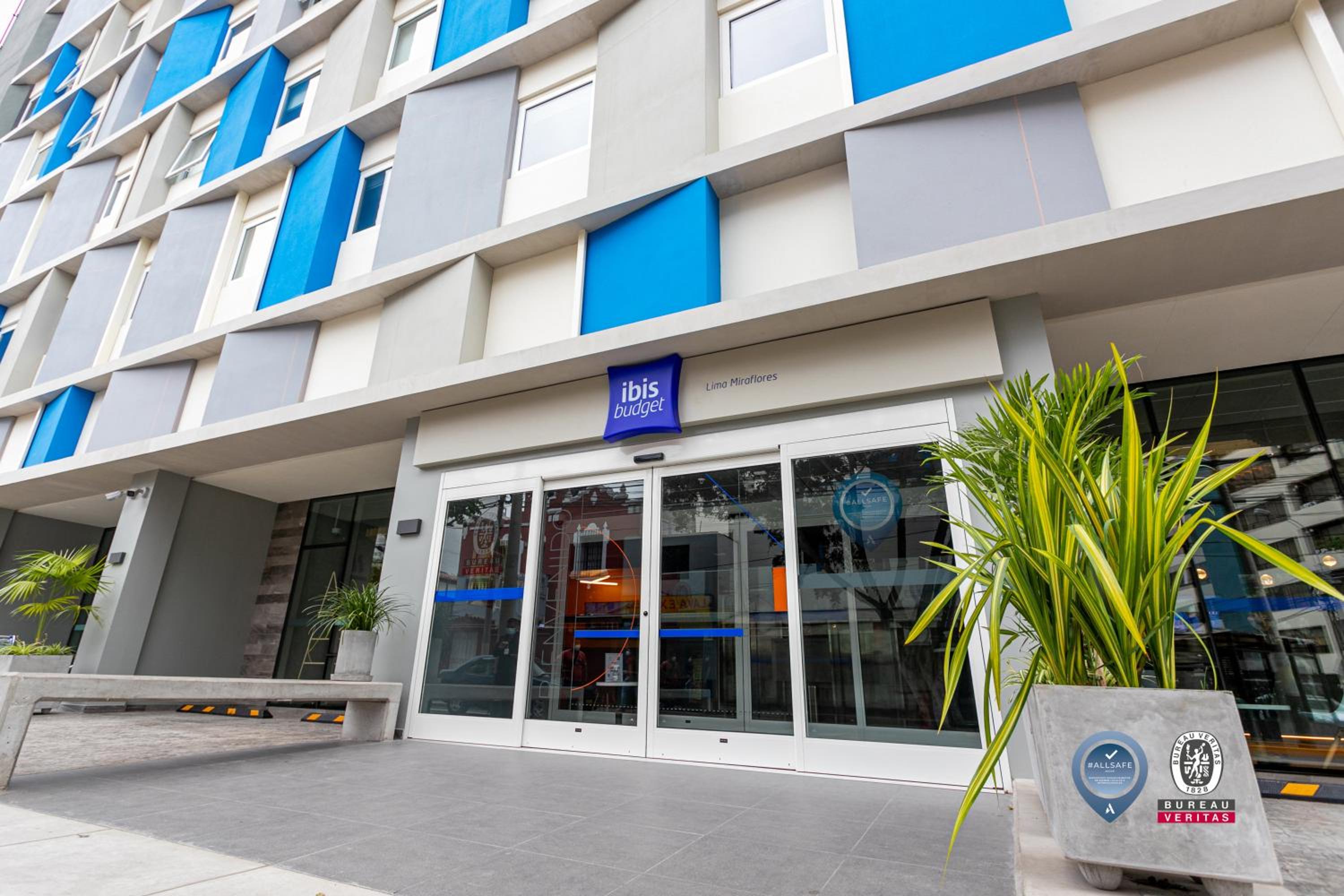
25. ibis budget Lima Miraflores — Lima · 3★ · 4,276 reviews · from ~£30/night. One of our three headline budget picks and the single best-evidenced cheap room in Lima: 4,276 reviews behind an Accor-branded hotel in Miraflores at around £30 a night. That is the third-largest review count in this entire guide, in the best district in the city, for the price of a takeaway. ibis budget is the most stripped-back of the three ibis tiers — small rooms, minimal extras, breakfast usually charged separately — but it is a real international brand with real standards, and at thirty pounds in Miraflores nothing else on this page comes close on value.
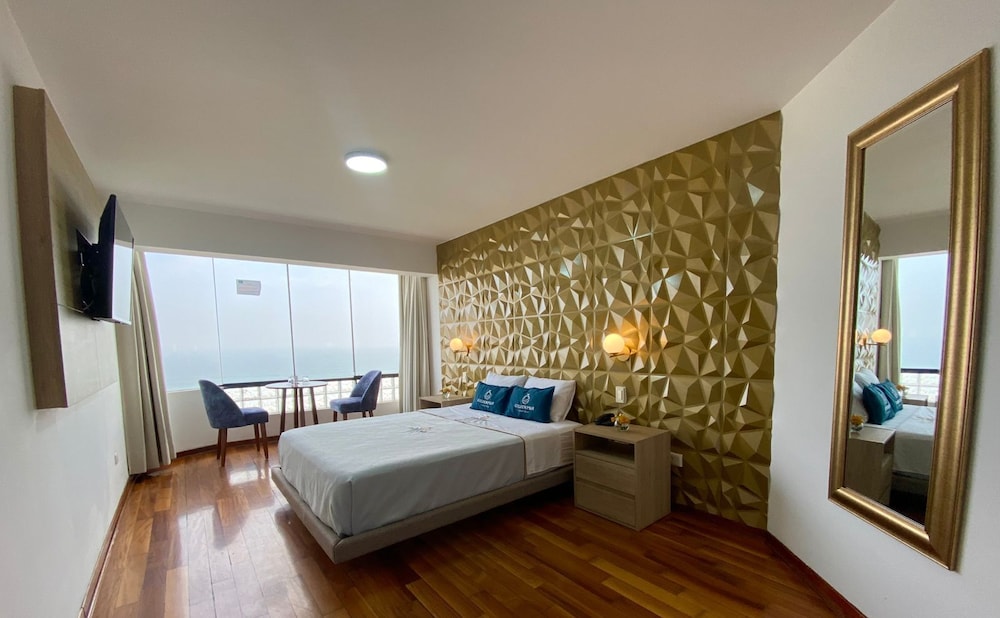
26. Golden Mar Hotel — Lima · 3★ · 43 reviews · from ~£30/night. A three-star at around £30 a night with a slim 43-review base. The mar in the name points at the coast, which in Lima is worth checking on the map, because the difference between a clifftop district and one a few streets inland is real. Priced identically to the ibis budget above, which makes that the easier recommendation unless the location genuinely suits you better.
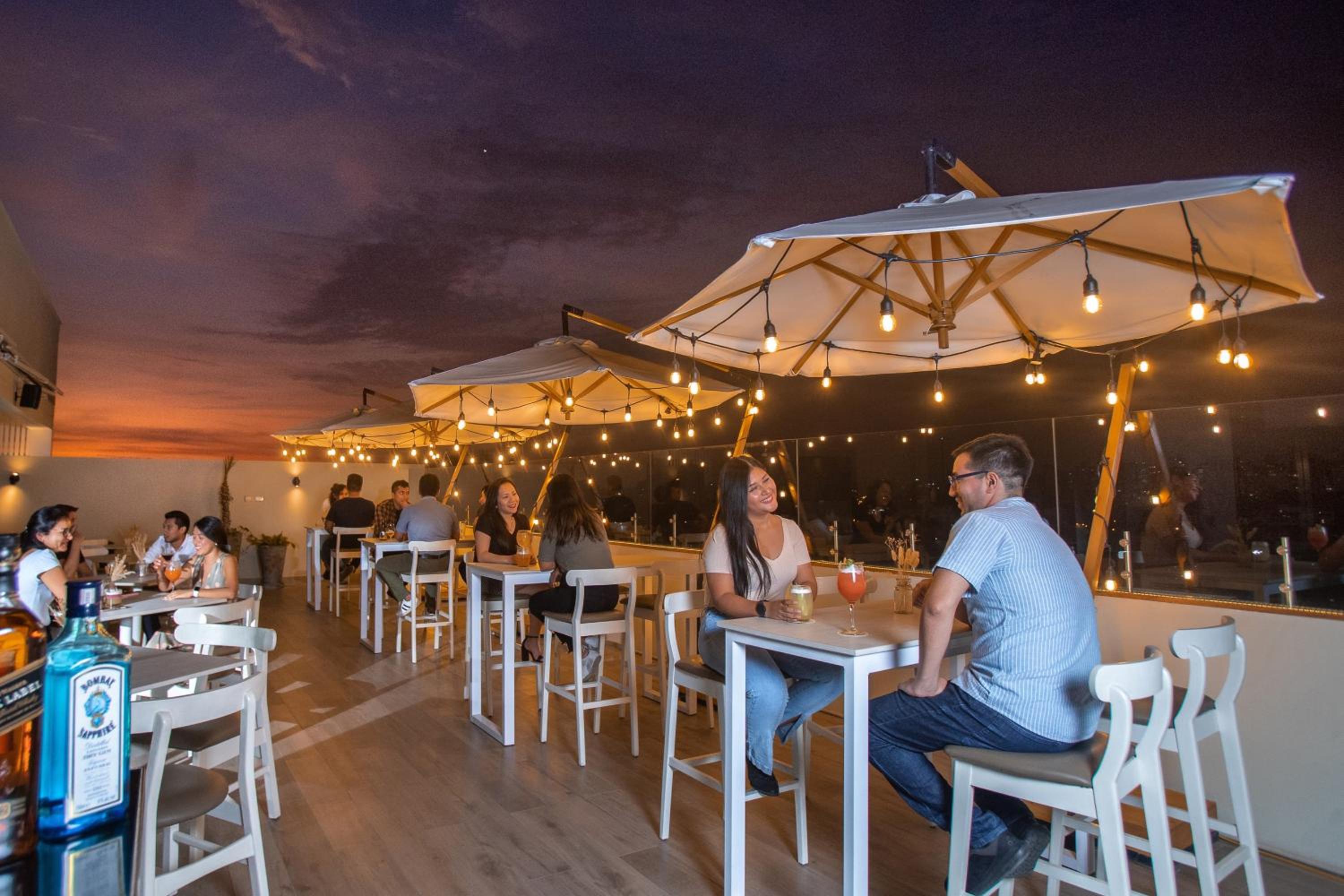
27. ibis Styles Lima Benavides Miraflores — Lima · 3★ · 3,211 reviews · from ~£31/night. The second Accor property in the budget tier, at around £31 a night with 3,211 reviews, on Avenida Benavides in Miraflores — one of the district's main arteries running inland from the coast. ibis Styles sits above ibis budget: brighter design, breakfast more often included, and rooms that feel less like a cabin. For a single pound more than the ibis budget above, this is the better booking for most people, and it is one of the outstanding rooms on this page.
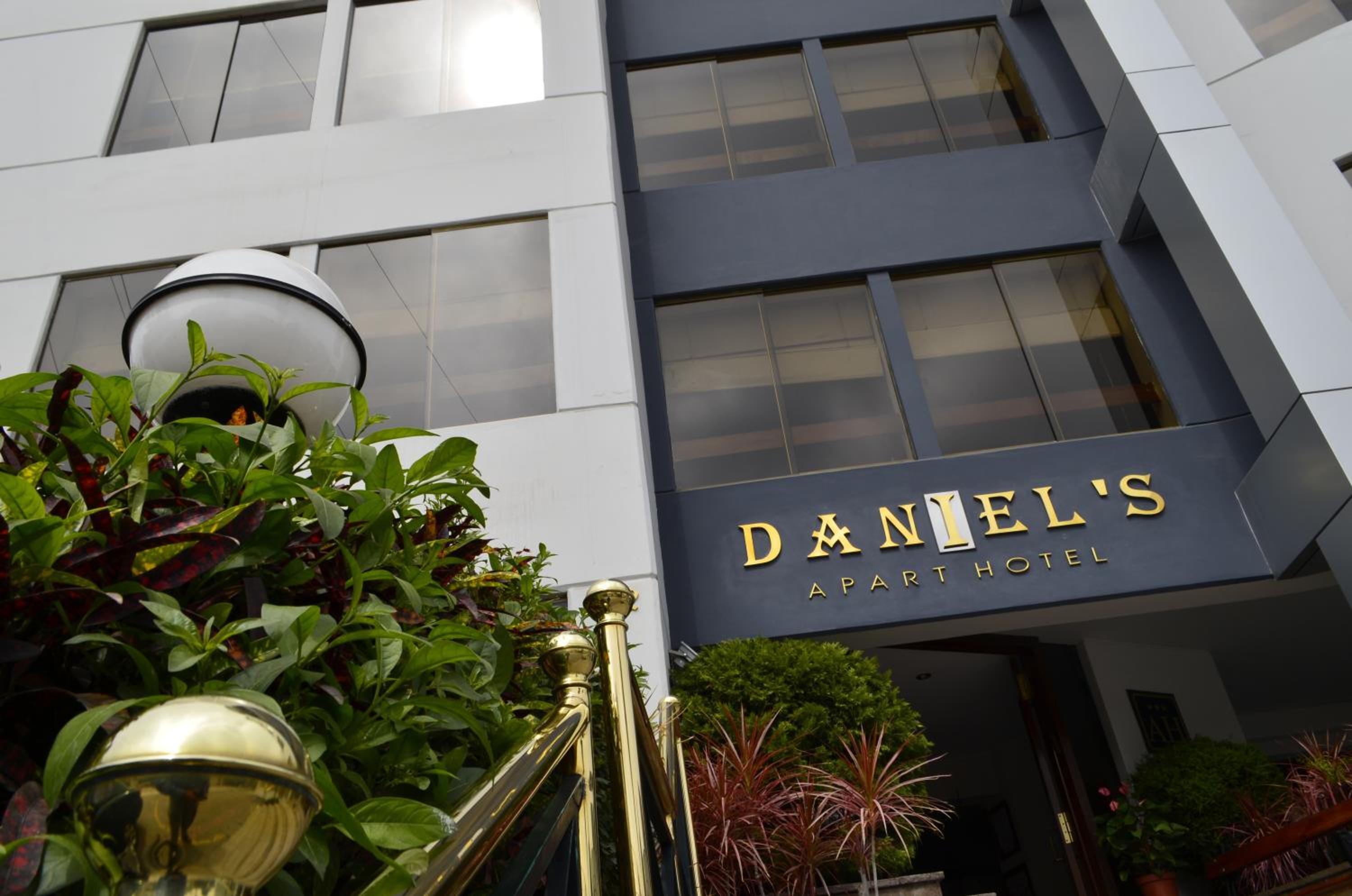
28. Daniel's Apart Hotel — Lima · 3★ · 405 reviews · from ~£33/night. An apart-hotel at around £33 a night with 405 reviews, and the first of three self-catering options in this section. The kitchen is the point: a fortnight in Peru with a Miraflores supermarket around the corner works out substantially cheaper if you are not buying three restaurant meals a day, and if you are travelling with children the ability to make breakfast on your own timetable is worth more than any hotel buffet. Good evidence base for the price band.
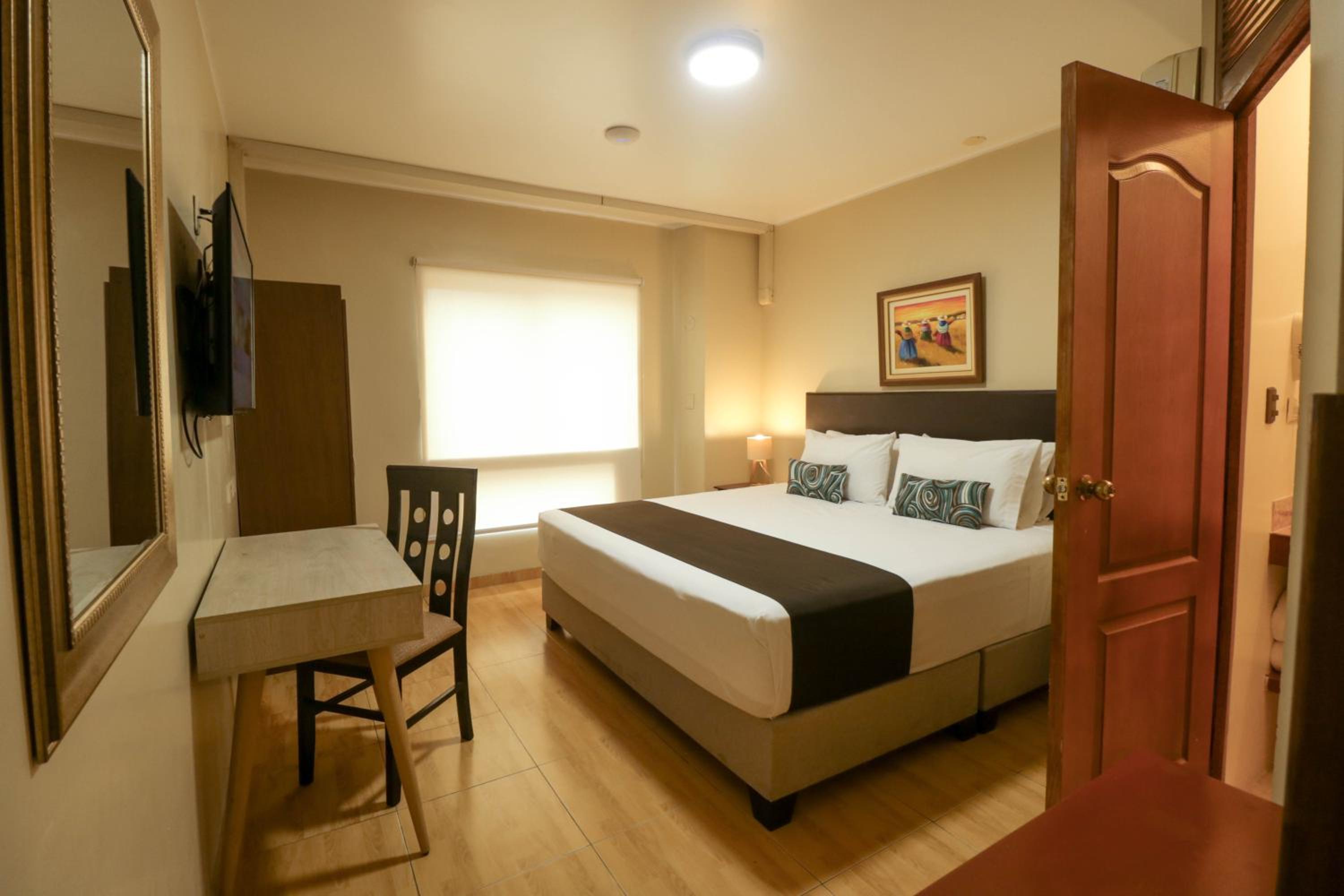
29. Epiqus Hotel — Lima · 3★ · 153 reviews · from ~£34/night. A newer independent three-star at around £34 a night with 153 reviews. Smaller review counts usually mean a recent opening rather than an unloved hotel, and recent openings in Lima's budget bracket tend to be sharper than the long-established competition because the fit-out is new. Worth a look if the map pin suits, though the branded options at £30 and £31 above have far more evidence behind them.

30. San Agustin Riviera — Lima · 3★ · 121 reviews · from ~£34/night. San Agustín is a Peruvian hotel group with several properties around Lima and in Cusco, and the Riviera is one of its cheaper Lima addresses at around £34 a night with 121 reviews. A domestic chain at the budget end is generally a safer bet than a one-off independent, because there is a group standard behind the housekeeping and a head office that cares about complaints.
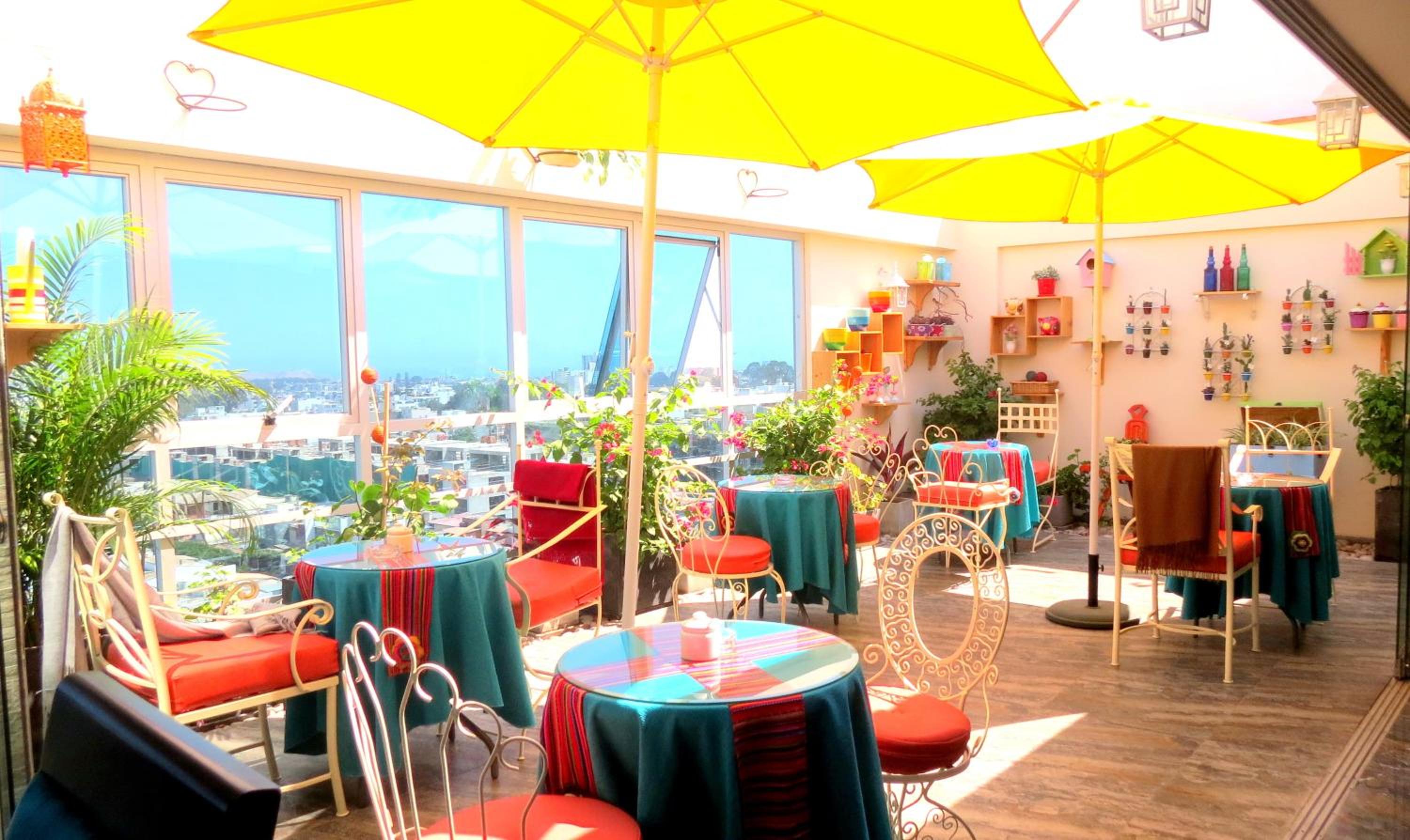
31. Hotel Vila Santa — Lima · 3★ · 1,086 reviews · from ~£34/night. A three-star at around £34 a night with 1,086 reviews — the best-evidenced non-chain room in the sub-£35 band on this page, and by some distance. When an independent hotel accumulates a four-figure review count at this price it is because it keeps getting the simple things right: clean rooms, hot water, a decent breakfast and a front desk that answers. One of the more reliable cheap bookings in the guide.
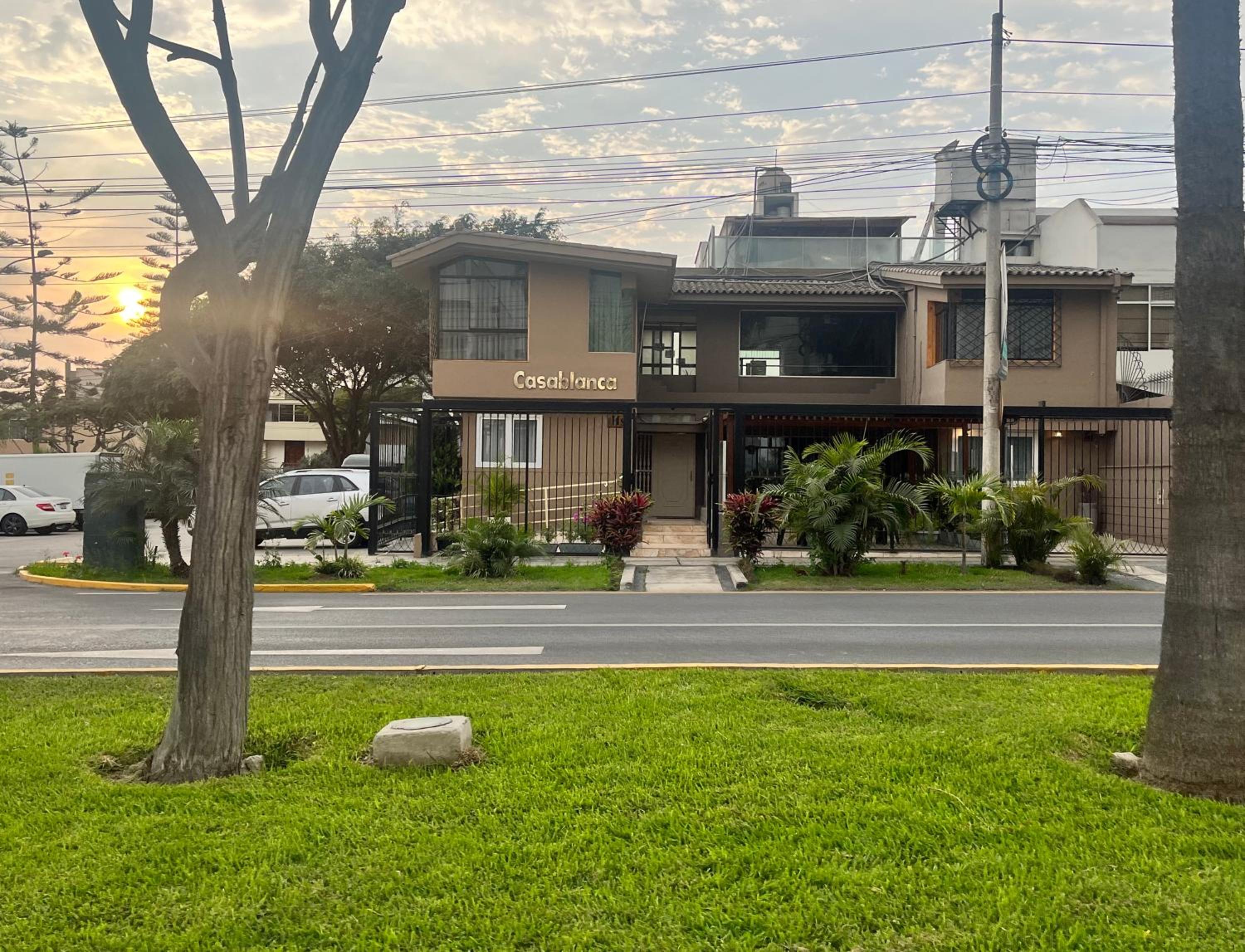
32. Casablanca Lima — Lima · 3★ · 542 reviews · from ~£34/night. A three-star at around £34 a night with a solid 542 reviews, sharing the £34 price point with three other hotels here. In a cluster like this the deciding factor should be the map: pull all four up, see which sits closest to where you plan to spend your days, and book that one rather than agonising over a rating decimal.
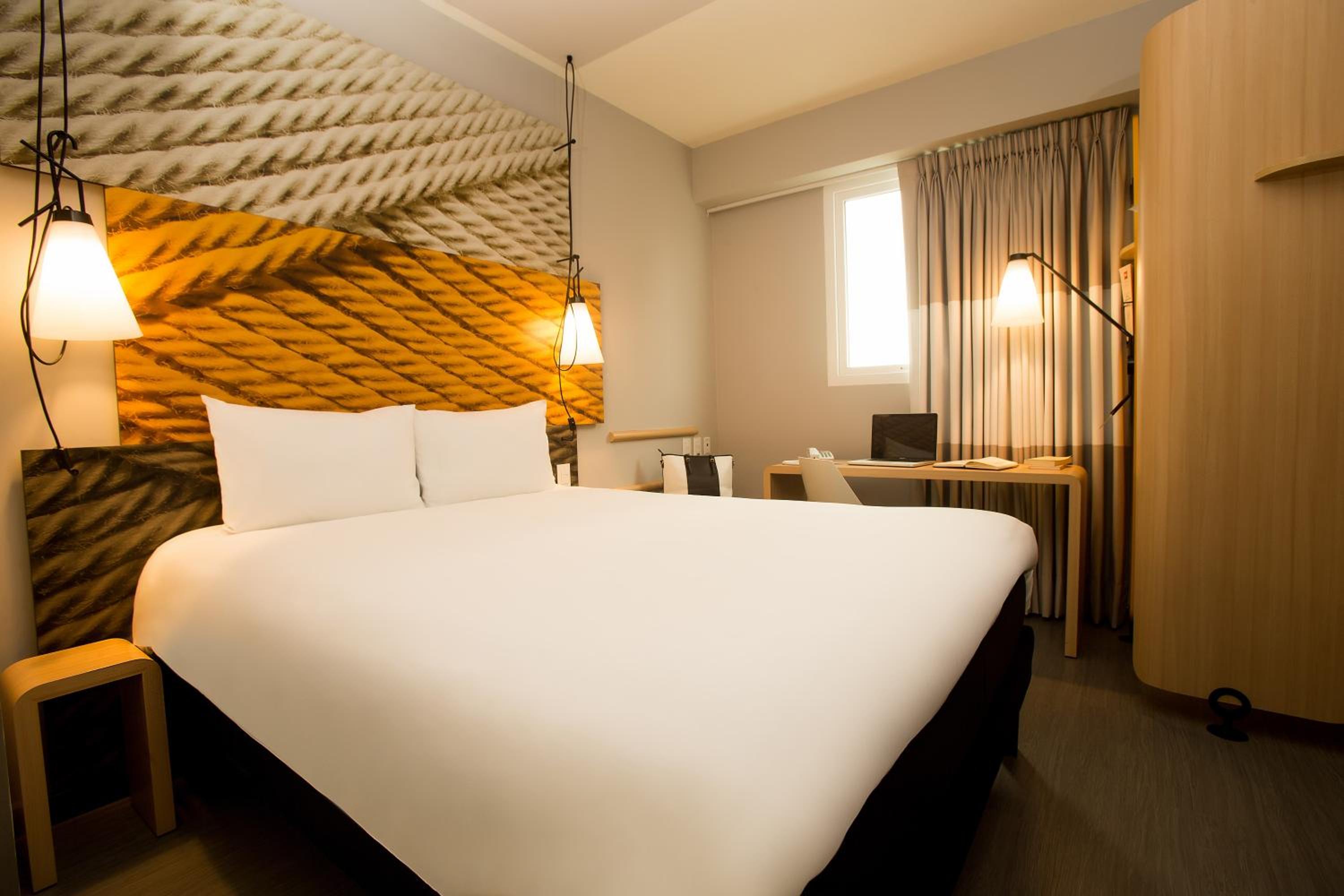
33. ibis Lima Reducto Miraflores — Lima · 3★ · 2,487 reviews · from ~£35/night. The third Accor property in this section, at around £35 a night with 2,487 reviews, named for El Reducto — the park in Miraflores built on the site of an 1881 battlefield from the War of the Pacific, and one of the quieter green spaces in the district. Standard ibis sits between ibis budget and ibis Styles: full-size rooms, 24-hour reception, breakfast usually available rather than included. Three ibis hotels in Miraflores within five pounds of each other is a genuinely useful thing for a budget traveller.
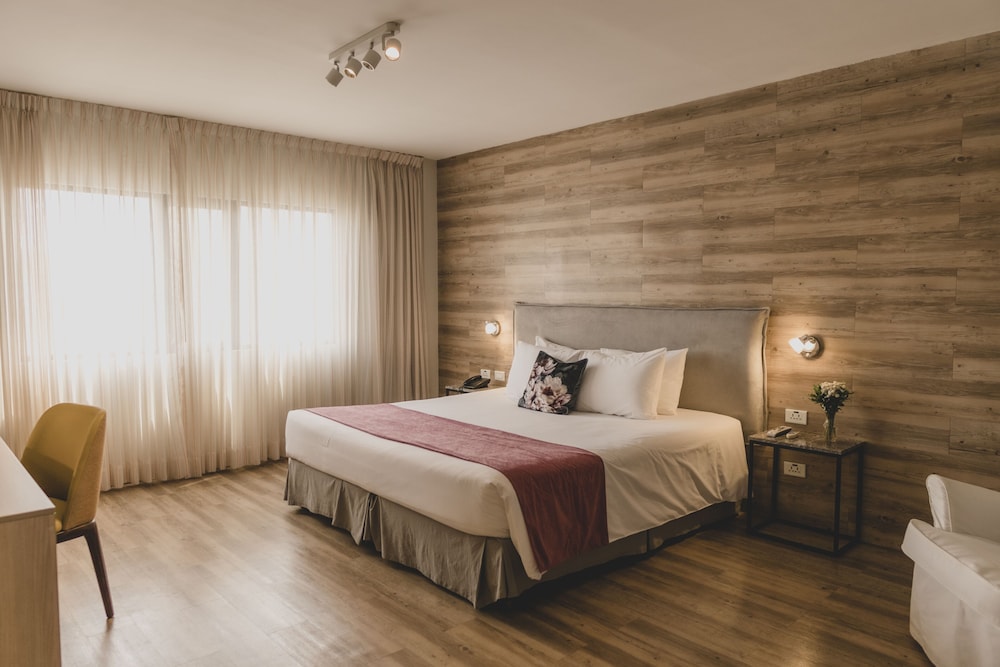
34. ARTE HOTEL LIMA — Lima · 3★ · 63 reviews · from ~£36/night. A small art-themed three-star at around £36 a night with 63 reviews — thin evidence at a price where the branded alternatives above have thousands. Book it if the photographs and the location genuinely appeal, and read the newest reviews rather than the oldest, but do not choose it on price, because you are paying six pounds more than the best-reviewed cheap room in the city.
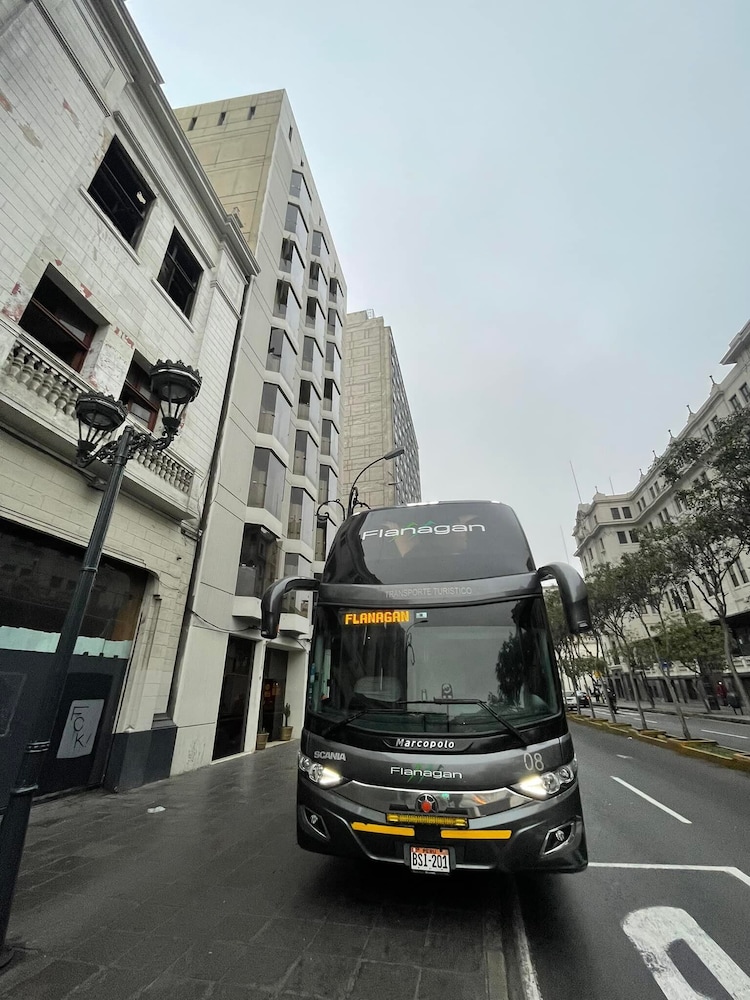
35. Hotel El Plaza Centro de Lima — Lima · 2★ · 28 reviews · from ~£36/night. A two-star in the Centro Histórico at around £36 a night with 28 reviews. The location is the argument: you are in the colonial city, within walking distance of the Plaza Mayor, the cathedral, the San Francisco catacombs and the Casa de Aliaga, which no Miraflores hotel can offer. The counter-argument is that the Centro is not somewhere to be wandering back to at midnight, and that at this price you could have a branded four-figure-review room in Miraflores instead. Choose deliberately.
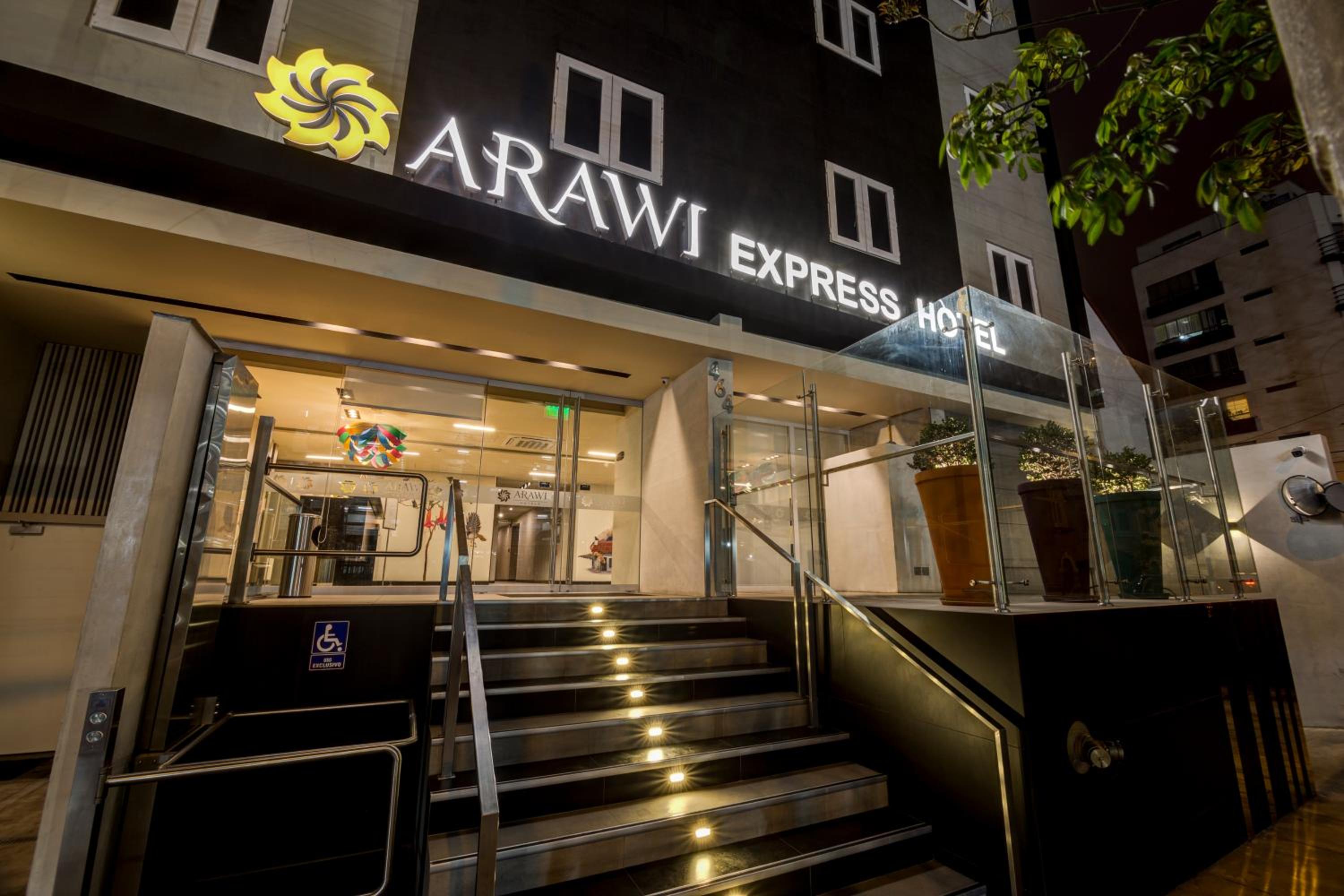
36. Arawi Miraflores Express — Lima · 3★ · 3,121 reviews · from ~£37/night. A three-star express hotel in Miraflores at around £37 a night with 3,121 reviews, which is the sixth-largest review base in this entire guide and the best-evidenced non-Accor room in the budget tier. Arawi is a small Peruvian group and the Express format means compact, efficient rooms without a restaurant or a spa — precisely what you want if the hotel is somewhere to sleep between a ceviche lunch and a Barranco evening. A very easy recommendation.
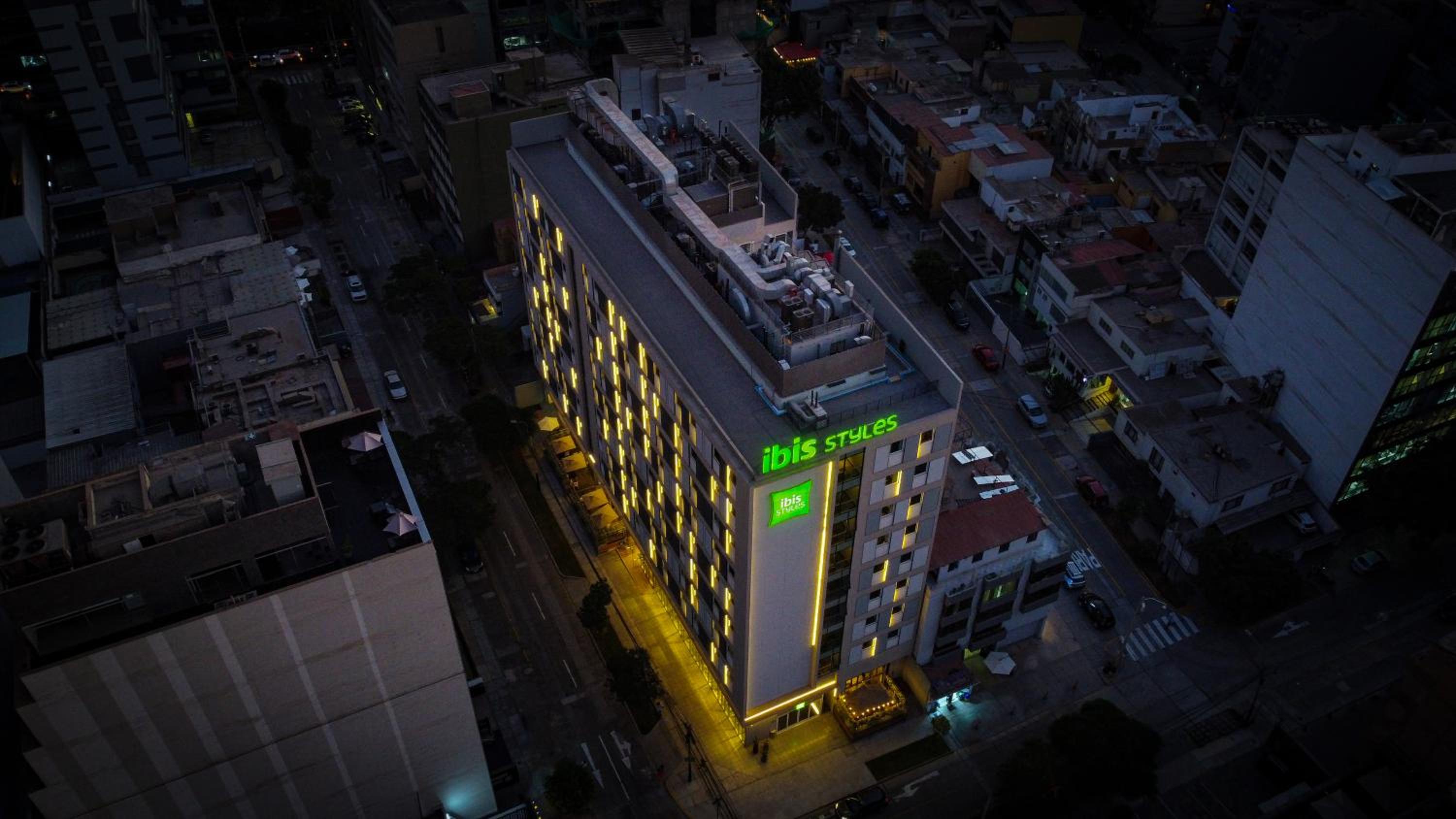
37. ibis styles Lima San Isidro — Lima · 4★ · 1,268 reviews · from ~£38/night. A four-star at around £38 a night with 1,268 reviews, in San Isidro — the biggest star-to-price jump anywhere in this budget section. ibis Styles is Accor's brighter, design-led ibis tier and this one carries a four-star rating rather than the usual three, which puts it in the same bracket as hotels costing sixty pounds elsewhere on this page. If you want San Isidro's quiet streets and the El Olivar grove on a budget, this is the room to book.
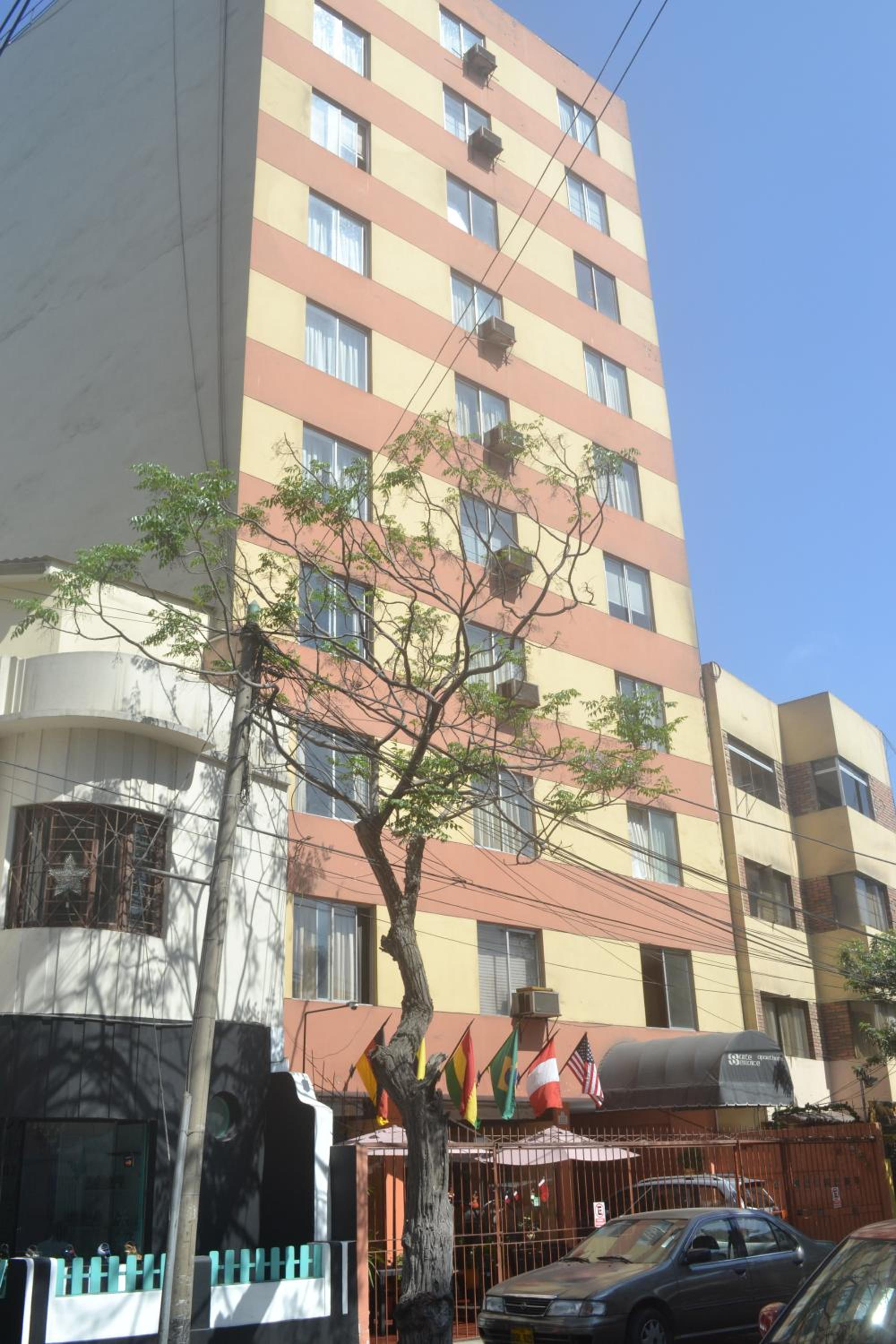
38. Suite Service Apart Hotel — Lima · 3★ · 31 reviews · from ~£38/night. A self-catering apart-hotel at around £38 a night, with only 31 reviews — the second-thinnest evidence base on this page. The suite-with-kitchen format is genuinely useful for longer stays and families, but at exactly the same price as the four-star ibis Styles above and the 4,488-review ibis below, it is hard to make the case unless you specifically need the kitchen and the other apart-hotels are full.
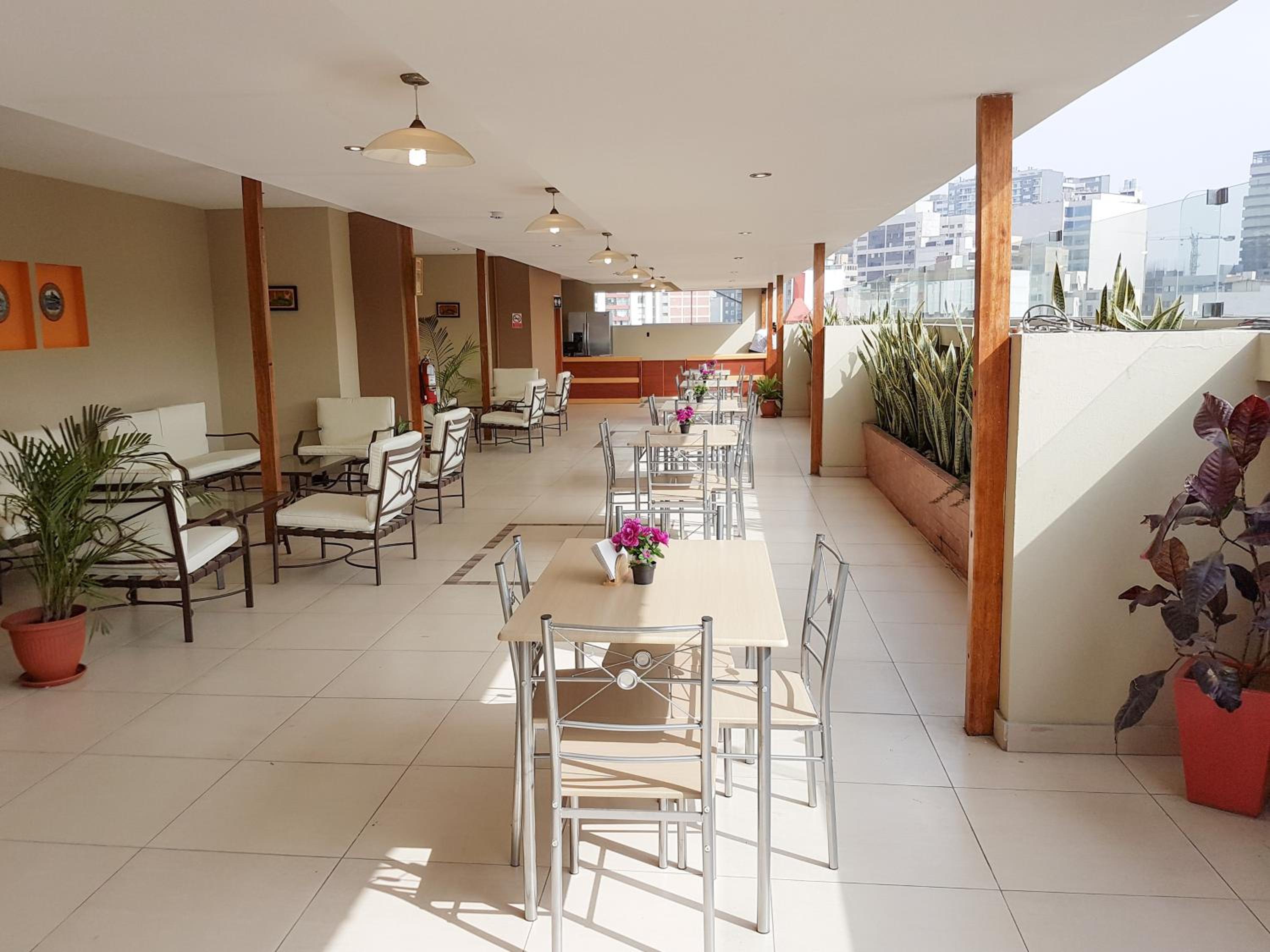
39. Hotel Las Palmas — Lima · 3★ · 1,430 reviews · from ~£38/night. A long-established independent three-star at around £38 a night with 1,430 reviews. Nothing about it is fashionable and that is rather the point: a four-figure review count on an unbranded hotel in a competitive market is earned slowly, by not disappointing people. One of six hotels sitting at exactly £38 in this section, and one of the better-evidenced of them.
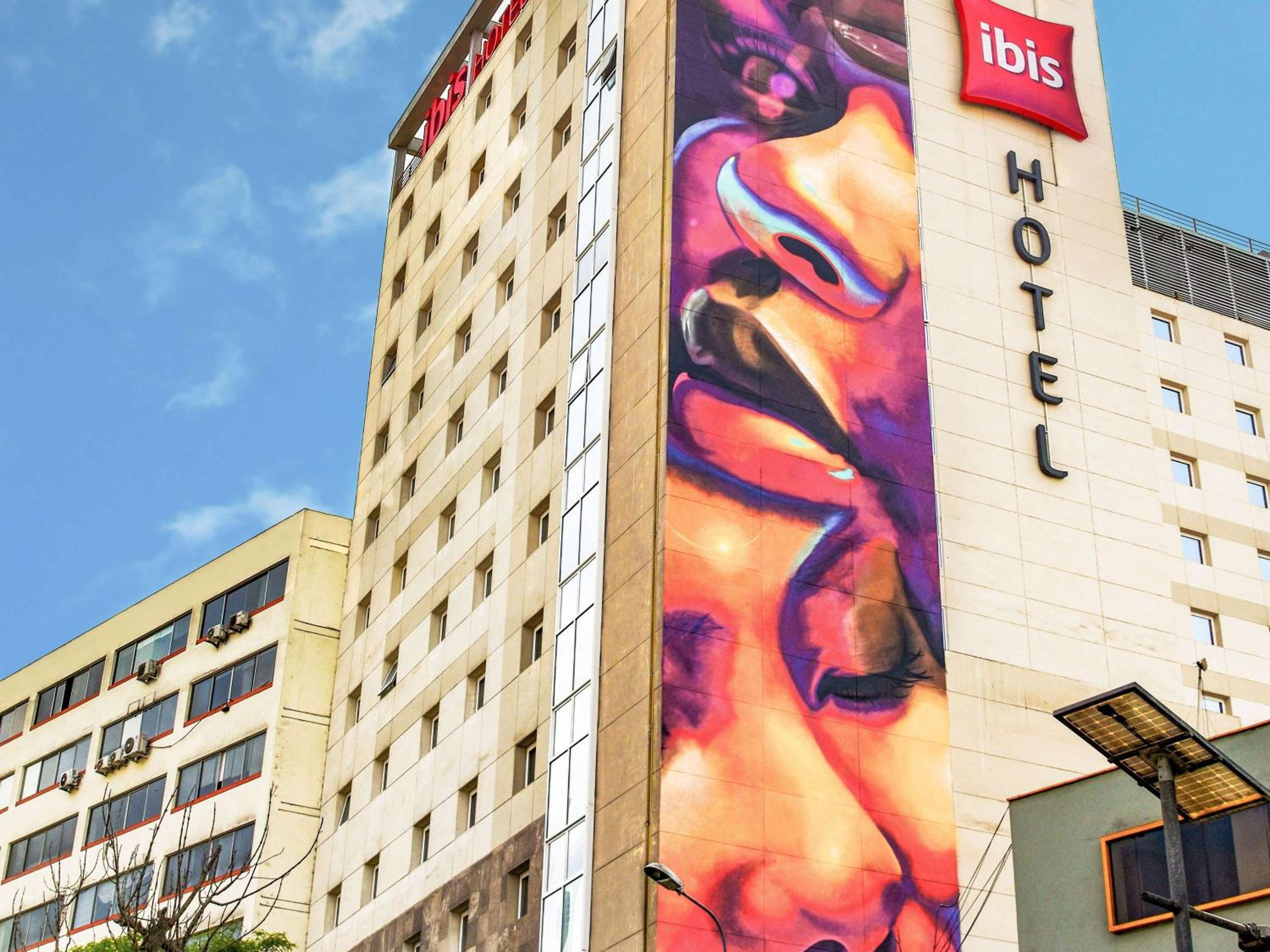
40. ibis Lima Larco Miraflores — Lima · 3★ · 4,488 reviews · from ~£38/night. The most-reviewed budget hotel in this guide and the second most-reviewed hotel on the entire page — 4,488 reviews — at around £38 a night on Avenida Larco, the main artery of Miraflores running from Parque Kennedy down to the Larcomar clifftop centre. That is the single best address in the budget tier: you can walk to the Malecón, the paragliding launch, the restaurants and the buses, and you are paying thirty-eight pounds. The fifth and last of the ibis properties on this page, and the one to book if you want the location above all.
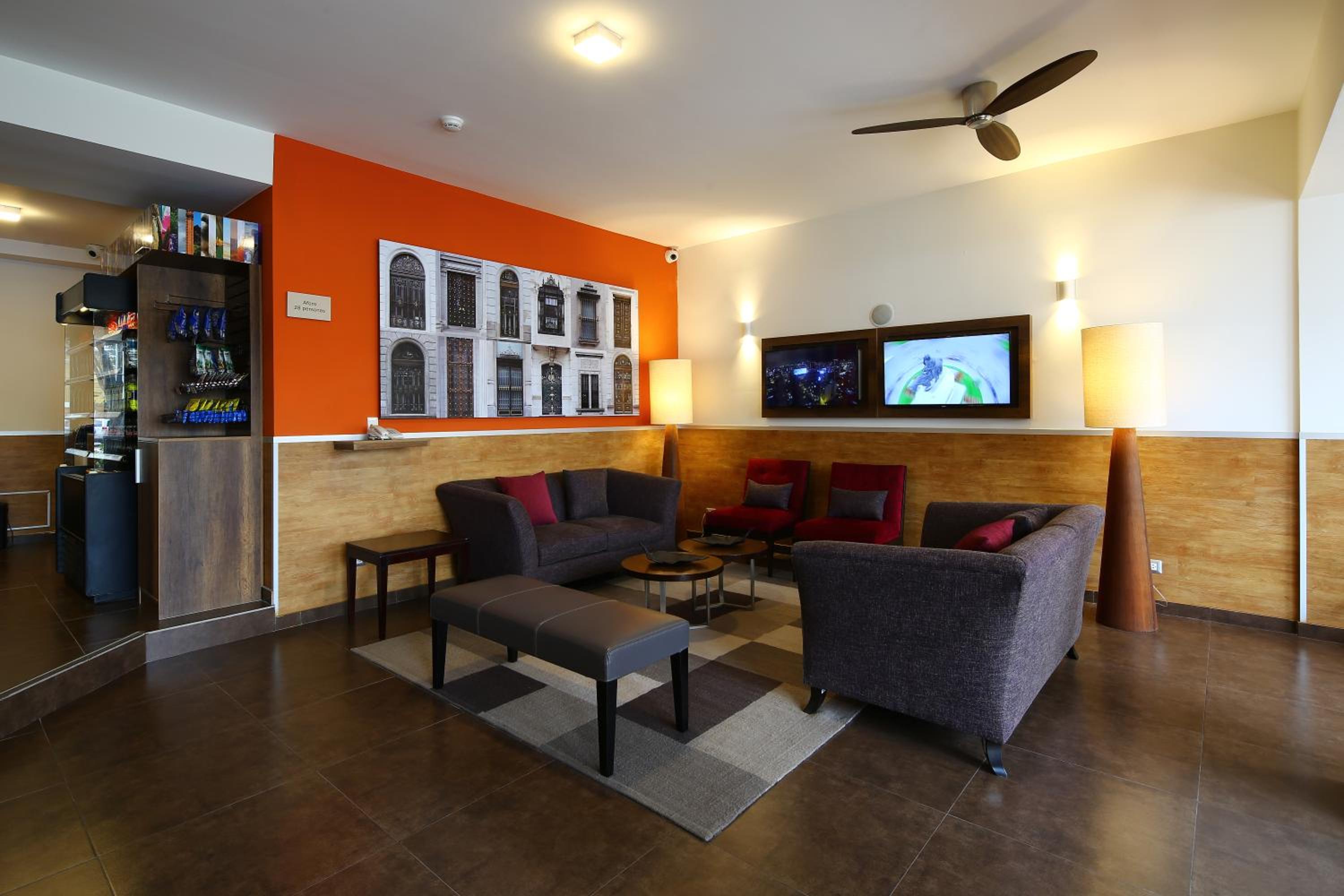
41. Casa Andina Standard Miraflores San Antonio — Lima · 3★ · 888 reviews · from ~£38/night. Standard is the entry tier of Peru's own Casa Andina group, and this one sits in the San Antonio pocket of Miraflores — a quieter, residential corner of the district known locally for its bakery and its neighbourhood feel rather than its nightlife. At around £38 a night with 888 reviews it gives you a domestic chain's standards, a Miraflores postcode and a calmer street than the Larco corridor.
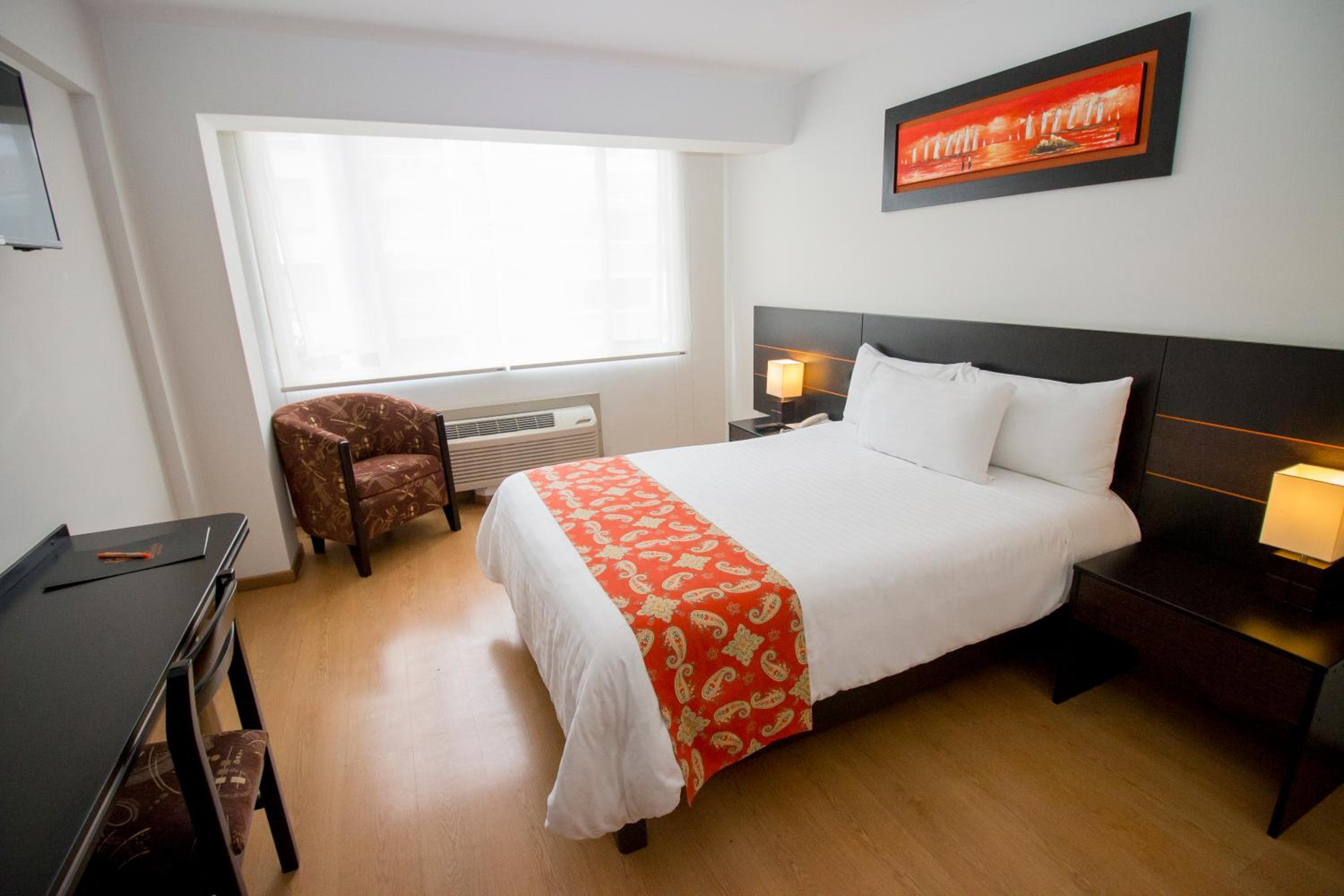
42. Hotel Britania Miraflores — Lima · 3★ · 2,119 reviews · from ~£38/night. A three-star in Miraflores at around £38 a night with a strong 2,119 reviews — the sixth-largest review base in this budget tier and far more evidence than most of its price neighbours. Britania is a small Peruvian group with a couple of Lima addresses, and this is the one worth having. At the same price as the ibis Larco above, the choice comes down to whether you want a chain or an independent.
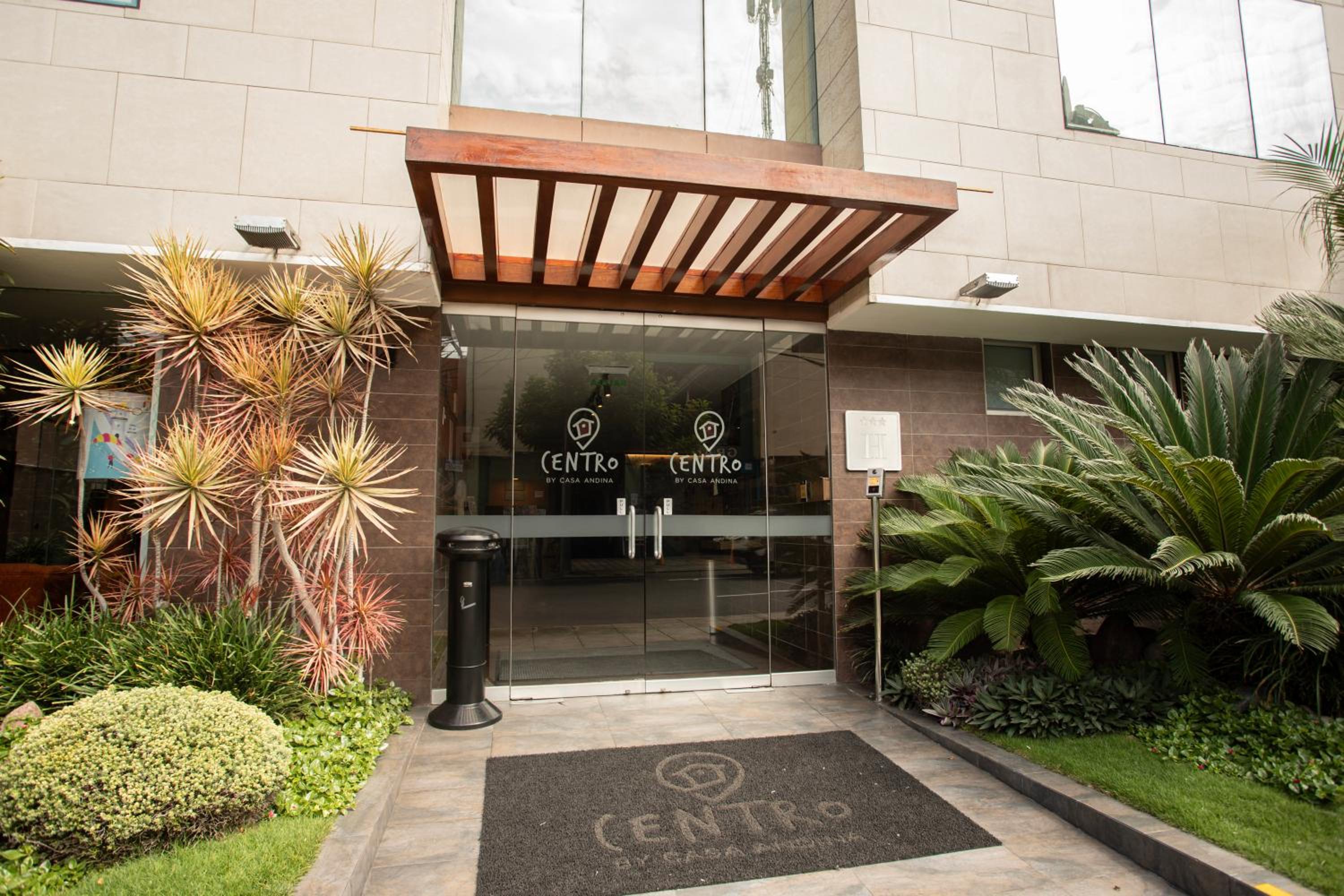
43. Centro by Casa Andina Miraflores — Lima · 3★ · 1,093 reviews · from ~£39/night. The second Casa Andina property in this budget tier, at around £39 a night with 1,093 reviews, in Miraflores despite the Centro in its name — which refers to the brand's compact city format rather than the Centro Histórico, and is worth knowing before you book the wrong thing. Modern, efficient, well located and backed by the group standard that runs all the way up to the five-star Premium properties in the luxury tier above.
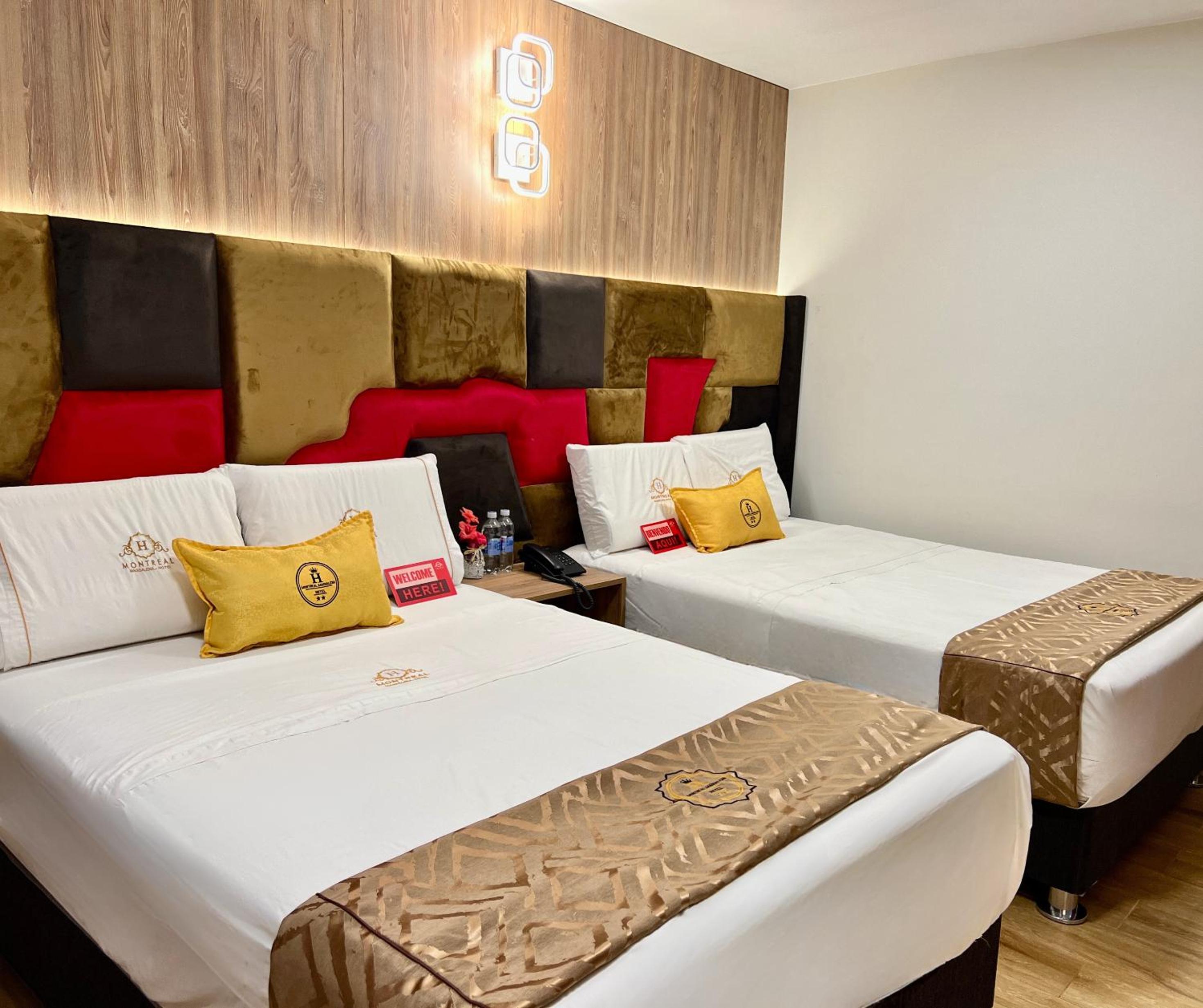
44. Montreal Magdalena Del Mar Hotel — Lima · 3★ · 807 reviews · from ~£40/night. A three-star at around £40 a night with 807 reviews in Magdalena del Mar, the coastal district immediately north of San Isidro and Miraflores. Magdalena is where a lot of Limeños actually live: ordinary, safe enough, well connected by the Costa Verde coast road, with its own market and a stretch of the clifftop park, and noticeably cheaper than the districts either side of it. A sensible choice for a longer stay or a second visit.
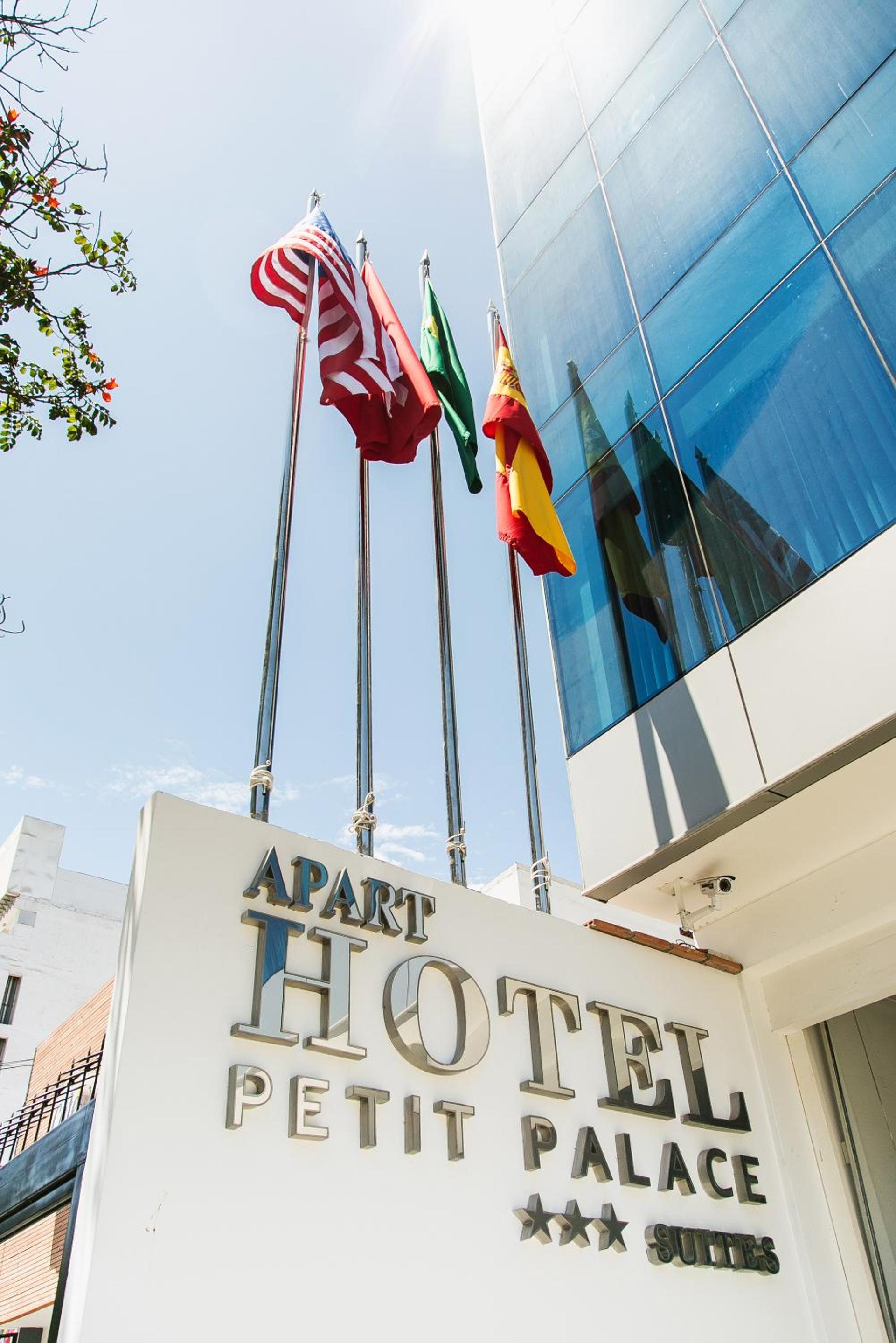
45. Apart Hotel Petit Palace Suites — Lima · 3★ · 1,286 reviews · from ~£40/night. The third and best-evidenced of the self-catering options in this section — an apart-hotel at around £40 a night with 1,286 reviews. Suites with kitchens at this price and this level of feedback are the obvious answer for a family of four, for a two-week Peru trip that starts and ends in Lima, or for anyone who has had enough of restaurant breakfasts by day nine.
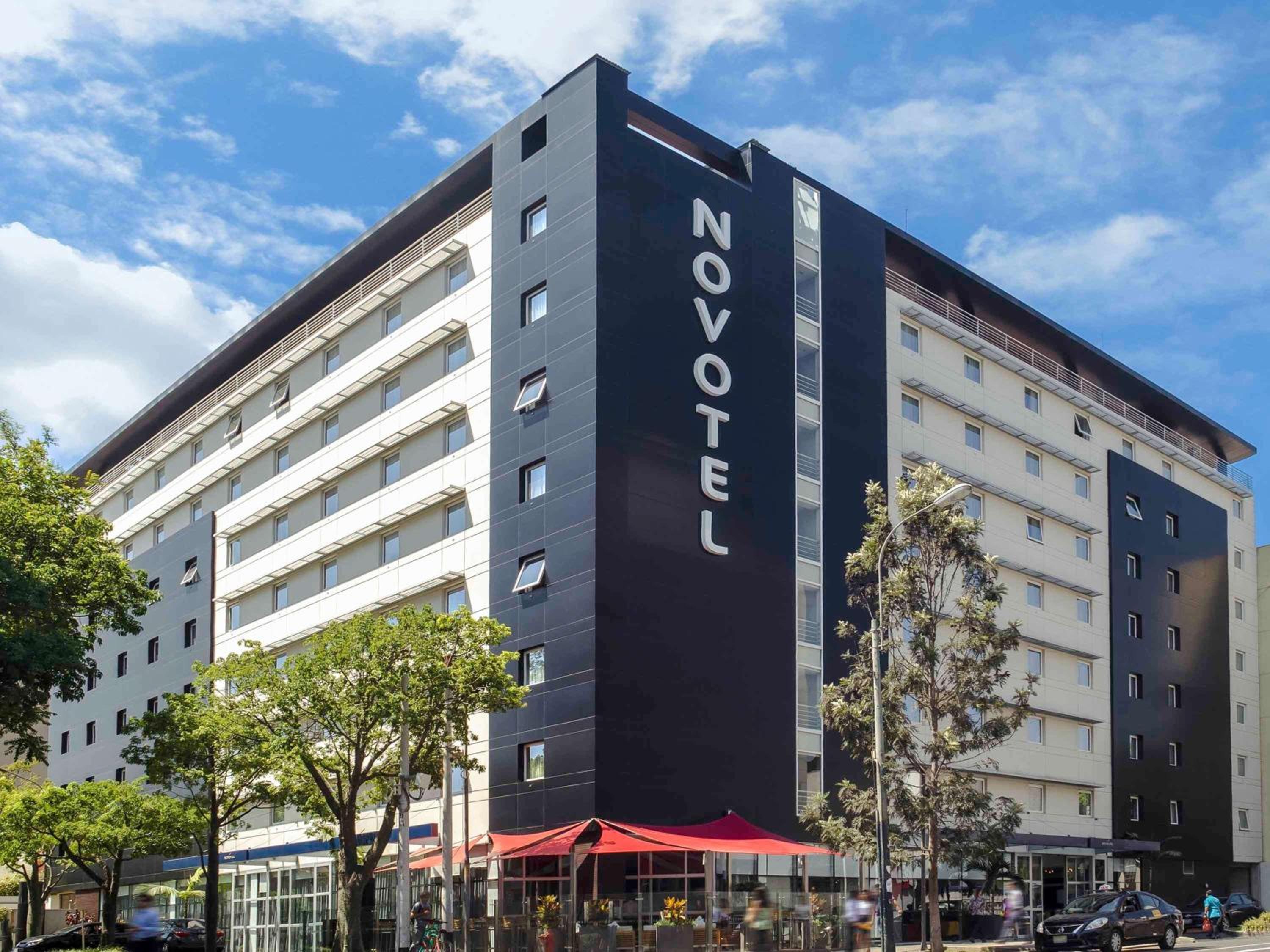
46. Novotel Lima San Isidro — Lima · 4★ · 931 reviews · from ~£42/night. The third of our headline budget picks: a four-star Novotel in San Isidro for around £42 a night, with 931 reviews. Novotel is Accor's full-service four-star brand — proper rooms, a restaurant, a pool at most properties, family rooms that genuinely fit four — and finding one at the price of a budget chain room is the sort of thing that only happens in a handful of cities. If you are travelling as a family or you simply want a real hotel rather than a cheap one, book this and spend the difference on lunch.
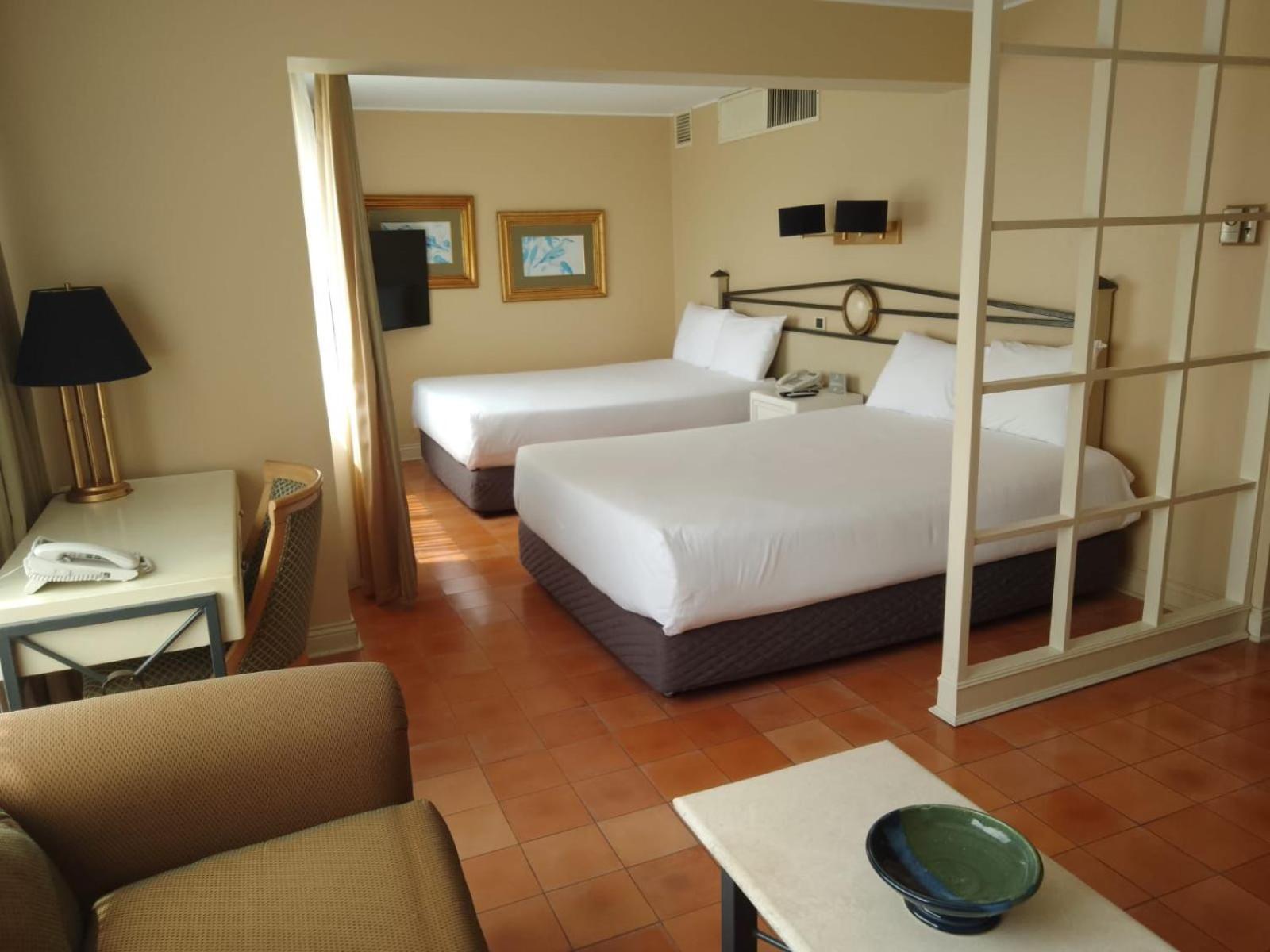
47. Suites del Bosque Hotel — Lima · 4★ · 1,294 reviews · from ~£43/night. A four-star suites hotel at around £43 a night with 1,294 reviews — larger rooms than a standard hotel, a four-star specification and one of the best evidence bases in the top half of this tier. Suite formats suit longer Lima stays particularly well, because the garúa months mean you will spend more indoor time than you expect and a room with somewhere to sit is worth real money in July.
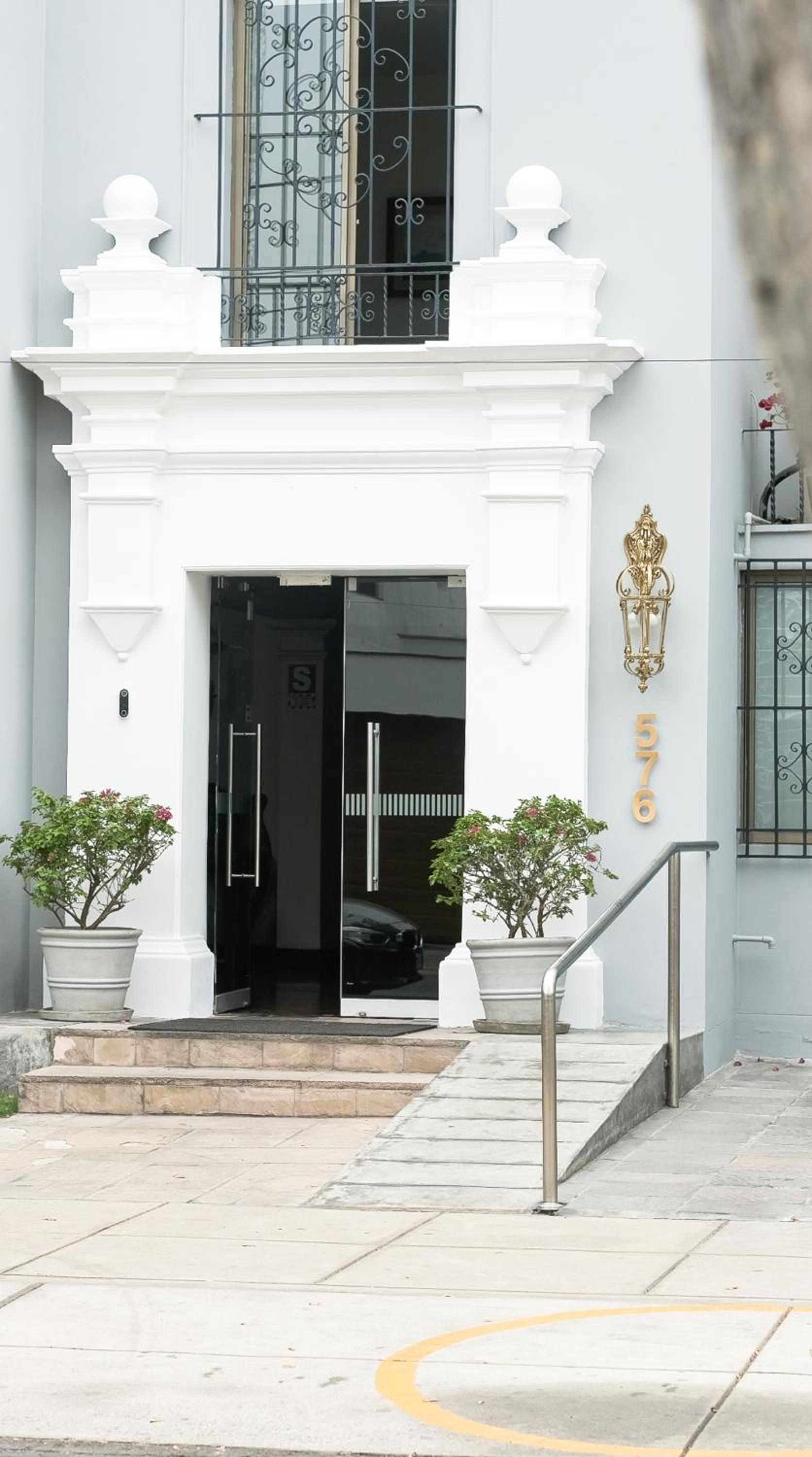
48. El Golf Hotel Boutique — Lima · 4★ · 787 reviews · from ~£44/night. A boutique four-star at around £44 a night with 787 reviews, named for El Golf, the country-club district within San Isidro that is among the most exclusive addresses in Peru — quiet, tree-lined, walkable and full of good restaurants. Joint most expensive room in this budget tier and worth every pound of it: a four-star boutique in that part of Lima at forty-four pounds is close to an error in your favour.
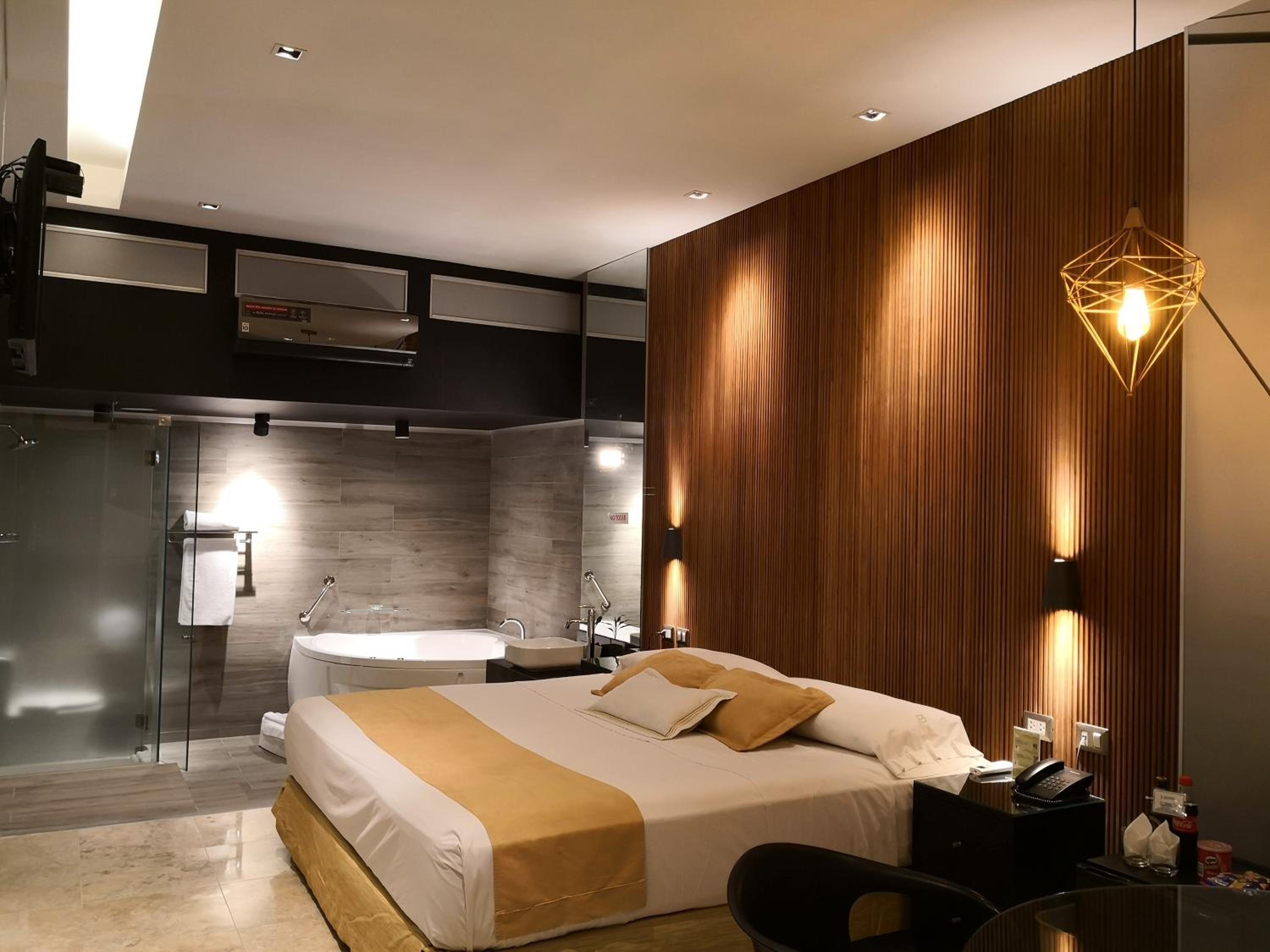
49. Hotel Las Lomas — Lima · 3★ · 191 reviews · from ~£44/night. Closing the budget tier at around £44 a night with 191 reviews — the joint most expensive room in this section, and the point where the budget tier hands over to the four-stars in the mid-range list above. At this price you are only three pounds below the Dazzler by Wyndham and the Hotel Nobility at £47, both of which carry more than 1,500 reviews, so check all three on your dates before you commit.
Every price above is a live from-rate pulled while writing this guide, not a fixed quote. Two things to check in Lima specifically: whether breakfast is included, because in the £30 to £44 band it often is and it is usually a proper Peruvian buffet, and whether the hotel is genuinely in the district its name claims — several Lima brands use district names loosely. See all Lima stays · Compare flights to Lima (LIM)
What to Do in Lima
- The Centro Histórico — the colonial city Pizarro laid out in 1535 and a UNESCO World Heritage Site since 1988. The Plaza Mayor holds the cathedral, the Archbishop's Palace and the Government Palace, whose changing of the guard is a proper brass-band spectacle around midday. Look up everywhere for the enclosed wooden balconies in dark Moorish latticework, the signature of old Lima. Do it in daylight and take a car back out.
- Convento de San Francisco — the yellow-and-white Baroque monastery a few streets from the Plaza Mayor, with a magnificent library of ancient volumes, a Moorish-tiled cloister and, underneath it, the catacombs: bone-lined ossuary passages holding the remains of an estimated 25,000 people, arranged in patterns. The single most memorable hour in the Centro, and a guided visit is compulsory.
- Museo Larco — in Pueblo Libre, and the reason to give Lima a proper day. A private collection of pre-Columbian art housed in an eighteenth-century mansion built on a pre-Columbian pyramid, with a garden of bougainvillea, an open storeroom holding tens of thousands of catalogued ceramics, a gold and silver room, and the notorious pre-Columbian erotic pottery gallery. The café in the garden is one of the nicest lunches in the city.
- The Malecón and the Miraflores clifftops — around ten kilometres of connected clifftop parks running above the Pacific from Magdalena through Miraflores to Barranco, with lawns, cycle paths, cat-filled squares, the Parque del Amor and its enormous kissing-couple sculpture, and a launch site where paragliders take off directly over the traffic. Walk it at sunset. In the garúa months you will not see one, but walk it anyway.
- Huaca Pucllana — a stepped adobe pyramid from around 500 AD, sitting in the middle of residential Miraflores with apartment blocks on all four sides. Built from millions of hand-made mud bricks stood on end, it is floodlit at night and there is a well-regarded restaurant beside it with a view over the ruins. Huaca Huallamarca in San Isidro is the same idea on a smaller scale.
- Barranco — the bohemian district south of Miraflores: republican-era mansions in faded ochre and blue, the wooden Puente de los Suspiros and the steps of the Bajada de Baños running down to the sea, murals on every other wall, the MATE museum in Mario Testino's converted townhouse, and the bar and live-music scene that fills the streets on Friday and Saturday.
- Circuito Mágico del Agua — thirteen illuminated fountains in the Parque de la Reserva, including tunnels you walk through and a choreographed evening show of water, light and music. It is unashamedly a spectacle and children love it. Go after dark, which is when the whole thing exists.
- Mercado de Surquillo — the market across the Vía Expresa from Miraflores, and the best cheap eating in the city. Rows of Andean potatoes and Amazonian fruit you have never seen, and cevicherías at the back charging a few pounds for what the clifftop restaurants charge twenty for. Go at lunchtime, which is when the fish is fresh and the stalls are open.
- Pachacamac — a huge pre-Inca and Inca pilgrimage complex about 40km south of the city, with temples and plazas spread across a desert bluff above the sea and a good modern site museum. The easiest and most rewarding half-day out of Lima, and a useful preparation for what you are going to see in Cusco.
- The food — treat it as a sight in its own right. Book Central in Barranco or Maido in Miraflores months ahead if you want the two restaurants that have topped the world list; otherwise eat ceviche at lunch, anticuchos from a street grill in the evening, a menú del día somewhere unglamorous, and pollo a la brasa at least once. It is the best-value world-class eating on the planet.
Where to Base Yourself in Lima
Lima is enormous and spread thin along the coast, so the district you choose decides how much of your holiday you spend in traffic. Four names cover almost every visitor.
Miraflores — the default, and the right one for most people. The clifftop district with the biggest concentration of hotels at every price on this page, the Malecón parks, Parque Kennedy and its famous cats, the Larcomar centre cut into the cliff face, Huaca Pucllana in the middle of the housing, and more restaurants per street than anywhere else in Peru. It is safe-feeling, well lit, walkable, well served by taxis and used to visitors. The budget tier here is unusually strong — five branded rooms between £30 and £39 — which is what makes Lima different from most capitals. The criticism is that it can feel a little polished and international; the answer to that is a twenty-minute walk south.
Barranco — the character. Three kilometres along the clifftop, and a different city: nineteenth-century mansions in peeling colour, the Bridge of Sighs, street art, small galleries, the MATE museum, Central in a converted building on Avenida Pedro de Osma, and bars that fill up late. It is compact and genuinely walkable, and it is the district Limeños go out in. Fewer hotel rooms, more noise at the weekend, and the best evenings in the city.
San Isidro — the quiet money. The financial district and the most expensive residential one, built around the El Olivar grove of centuries-old olive trees, with embassies, wide green streets, the El Golf country-club quarter and the Huaca Huallamarca pyramid. Calm, extremely comfortable, excellent for serious restaurants and terrible for spontaneity — you will take a car out in the evening. Several of the best-value four-stars in this guide are here, including a Novotel at £42 and a boutique four-star at £44.
Centro Histórico — the history and the value. Where the colonial city actually is, and where the cheapest genuinely central rooms sit. Fascinating by day, deserted by early evening, and ringed by districts you should not wander into. Book it if churches and museums are your priority and you are content to travel out for dinner; book Miraflores if this is your first night in South America.
Callao and the airport corridor. Purely functional, and cheap: the £18 room in this guide is here. Callao is Lima's port and its roughest large district, with the notable exception of the regenerated Monumental Callao arts quarter, and there is nothing walkable near the terminal. Book it for the night before a dawn flight to Cusco and for nothing else.
Magdalena del Mar, Pueblo Libre and Surco. Ordinary residential Lima, cheaper than the big four, better connected than they look and increasingly used by longer-stay visitors. Pueblo Libre has the Museo Larco and a famous old tavern; Magdalena has its own stretch of clifftop park. Sensible on a second visit or a long stay, less so on a short first trip.
Honest Practicalities for Lima
Getting there always means a connection. No UK airport flies non-stop to Lima. The European routings — Madrid with Iberia, Air Europa or LATAM, Amsterdam with KLM, Paris with Air France, Frankfurt with Lufthansa — are the least stressful because you clear immigration only once, in Peru, and the long leg is a single twelve-hour hop. The Americas routings through Miami, Dallas, Houston or Atlanta mean clearing US immigration in transit, which requires a valid ESTA and a generous layover, and Avianca via Bogotá adds a second short flight. Reckon on 15 to 17 hours door to door from London, and remember Peru runs on UTC−5 all year with no daylight saving.
Entry is simple. UK passport holders need no visa for tourism. Stays are granted on arrival at the officer's discretion, commonly up to 90 days with a maximum of 183 in any twelve months, and the old paper Andean Migration Card is now electronic. Check the days you have been given, carry proof of onward travel and your first hotel booking, and confirm the current rules before you fly.
The climate is the opposite of what you expect. Lima sits in a coastal desert and gets almost no rain — a few millimetres a year — but from roughly May to November the garúa, a thick marine fog produced where the cold Humboldt current meets warmer air, parks itself over the city. That gives months of flat grey skies, high humidity, a damp drizzle that never becomes rain and daytime temperatures of 15 to 19°C. It is not cold and it is not wet; it is simply grey, and it catches out travellers who packed for a South American summer. December to April is the sunny season, mid to high twenties, and it is when Lima is at its best. The complication is that Cusco and Machu Picchu have their dry season from roughly May to September, exactly when Lima is under cloud — so if you are doing both, April to May or September to October is the pragmatic compromise. Note also that Peruvian buildings rarely have heating, so pack a jumper for a grey July evening indoors.
Altitude is a Cusco problem, not a Lima one. Lima is at sea level and has no altitude effect whatsoever — you can arrive and go straight out for a run on the Malecón. Cusco sits at around 3,400 metres, which is high enough to lay a meaningful number of visitors out for a day or two, and Machu Picchu itself is lower at about 2,430 metres. Nights in Lima do nothing to acclimatise you, but they do mean you go up rested rather than straight off a long-haul flight. Take the first afternoon in Cusco slowly, drink water, skip the alcohol, and consider spending the first night lower down in the Sacred Valley instead.
Machu Picchu is a separate trip, not a day out. It is around 1,100km away: a flight of about an hour and twenty minutes to Cusco, a road transfer down to Ollantaytambo, a train to Aguas Calientes and a bus up to the gate, with timed entry tickets on fixed circuits that must be bought in advance and sell out in high season. Three days and two nights is the realistic minimum from Lima; four is better.
Safety, honestly stated. As of writing, the FCDO does not advise against travel to Lima — its all-but-essential advice covers the VRAEM emergency zone in the Apurímac, Ene and Mantaro river valleys and the Colombian border area of Loreto, both far from the capital. What it does flag for Lima is crime: street robbery, phones snatched by passengers on passing motorbikes, and unlicensed taxis. It also notes that Peru periodically declares states of emergency in parts of Lima and Callao as a policing measure. In practice the rules are simple and they work: use Uber, Cabify, DiDi or InDrive rather than hailing a taxi, keep your phone out of your hand on the street, keep your bag in your lap, use ATMs inside banks and malls by day, avoid La Victoria, Rímac and old Callao, and do not walk the Centro Histórico after dark. Read the current UK government travel advice for Peru before you book and again before you fly; for planning the rest of the country, the official national tourism site Peru.travel is the sensible starting point.
Money, water and the everyday. The currency is the Peruvian sol (PEN), written S/. Spend soles rather than dollars, withdraw from ATMs inside bank branches or shopping centres, and always decline the machine's offer to bill you in pounds. Cards work fine in Miraflores, San Isidro and Barranco and much less reliably in markets, at street stalls and in the cheaper Centro hotels. Do not drink the tap water — bottled or filtered only, though brushing your teeth is fine. Tip around 10 per cent in restaurants after checking whether a servicio charge is already on the bill; drivers are not tipped. Some Spanish goes a long way outside the tourist districts, and the phrase menú del día — a fixed-price set lunch for a very small sum — will save you more money over a fortnight than any other two words in the language.
Explore more of South America
Making a longer trip of it? Lima pairs naturally with the other great capitals of the continent. Our Bogotá hotels guide covers 49 more real, bookable hotels three hours north — and Bogotá is one of the standard connecting points for UK travellers heading to Lima anyway, which makes a stopover almost free. Further south, the Buenos Aires hotels guide covers 49 hotels in the most European city in the Americas, and the Rio de Janeiro hotels guide covers 49 more between Copacabana, Ipanema and Santa Teresa. All three are built the same way as this one: real properties, live from-prices, no markups.
Lima Hotels FAQs
Is Lima worth visiting, or is it just a stopover on the way to Machu Picchu?
It is genuinely worth three or four days in its own right, and treating it as an airport with a city attached is the most common mistake British travellers make in Peru. Lima is a city of around ten million people, roughly a third of the entire country, spread along seventy kilometres of desert coastline with cliffs dropping straight into the Pacific. It holds the best museum of pre-Columbian art anywhere in the Museo Larco, a UNESCO-listed colonial centre built by Pizarro in 1535, adobe pyramids sitting between apartment blocks in the middle of residential districts, a ten-kilometre clifftop park you can walk end to end, and — the real reason to linger — what is arguably the best food scene in the Americas. If your entire Peru trip is a week, give Lima two nights on the way in and one on the way out. If you have ten days, give it three at the start and you will land in Cusco already understanding the country.
Do UK travellers need a visa for Peru?
No. British passport holders do not need a visa for tourism in Peru. You are granted a stay on arrival at the immigration officer's discretion, commonly up to 90 days and with a maximum of 183 days in any twelve-month period, and the old paper Andean Migration Card has been replaced by an electronic record, so there is usually no form to keep hold of. Check the number of days you have actually been given before you leave the desk, because overstaying carries a daily fine payable on departure. Carry proof of onward or return travel and your first hotel booking, as you may be asked for both, and make sure your passport has plenty of validity left. Entry rules change, so confirm the current requirements on the UK government travel advice pages before you fly.
Are there direct flights from the UK to Lima?
No. There is currently no non-stop service between any UK airport and Lima, so every routing involves at least one connection. The cleanest options for a UK traveller are through Madrid with Iberia, Air Europa or LATAM, through Amsterdam with KLM, through Paris with Air France or through Frankfurt with Lufthansa — all of which mean one European hop and then a single long leg across the Atlantic with no immigration formalities until Peru. The alternatives run through the Americas: Miami, Dallas or Houston with the US carriers, Atlanta with Delta, or Bogotá with Avianca. The European routings are usually the least painful, and the Madrid connection is the one most people end up on.
How long does it take to fly from the UK to Lima?
Budget 15 to 17 hours door to door on a well-timed itinerary, and more if your layover is awkward. The London to Madrid leg is about two and a half hours, and Madrid to Lima is roughly twelve, which with a two-hour connection lands you at about seventeen hours from leaving home. Amsterdam and Paris are similar. Routings through Miami or Bogotá can be quicker in pure flying time but add a US immigration queue or a second short-haul leg. Coming home is longer, because you are flying east into the wind and against the clock. Peru runs on UTC minus five all year with no daylight saving, which puts Lima five hours behind the UK in winter and six hours behind during British Summer Time.
Do I need an ESTA if I connect through Miami, Houston or Dallas?
Yes, and it catches people out on every South America trip. The United States has no international transit-without-visa arrangement, so if your connection is at a US airport you clear US immigration and customs, collect your bags, re-check them and go back through security, even though you never leave the terminal complex. That requires a valid ESTA under the Visa Waiver Programme, or a full US visa if you are not ESTA-eligible. Apply on the official US government site well in advance and nowhere else, and give yourself a generous connection, because the queues at Miami in particular can be long. Route through Madrid, Amsterdam or Paris instead and none of this applies.
What does the FCDO say about travelling to Peru?
As of writing, the FCDO does not advise against travel to Lima. Its advice against all but essential travel is confined to specific regions well away from the capital — principally the VRAEM emergency zone in the Apurímac, Ene and Mantaro river valleys, and the area along the Colombian border in the Loreto region. For Lima itself the guidance is about crime rather than travel restrictions, and it flags street robbery, phone snatching and the risk of unlicensed taxis. It also notes that Peru periodically declares states of emergency in parts of Lima and Callao as a policing measure in response to crime or protests, which allows extra police and military deployment and can affect the right to assemble. None of that is a reason not to go, but it is a reason to read the current page rather than an old one. Advice is reviewed regularly, so check it before you book and again before you fly.
Is Lima safe for tourists?
Lima is a very large Latin American capital, and it behaves like one. The districts visitors actually use — Miraflores, Barranco, San Isidro, and the Centro Histórico by day — are policed, busy and used without incident by hundreds of thousands of residents every day. The realistic risk is opportunistic property crime rather than anything worse: phones snatched from hands by passengers on passing motorbikes, bags taken from the back of restaurant chairs, distraction thefts on crowded streets. The rules that deal with almost all of it are simple. Do not walk along a main road with your phone out. Use Uber, Cabify, DiDi or InDrive rather than flagging a taxi in the street. Keep your bag on your lap or between your feet. Use ATMs inside bank branches and shopping centres during the day rather than on the pavement. Do not wear an obviously expensive watch. Avoid La Victoria, Rímac and the older parts of Callao, and do not walk the Centro Histórico after dark — take a car back. Do that and Lima is straightforward.
How do I get from Lima airport (LIM) into the city?
Jorge Chávez International Airport sits in Callao, about 12km north-west of the Centro Histórico and 18 to 20km from Miraflores. Reckon on 40 to 60 minutes to Miraflores in normal conditions and up to 90 in Lima's genuinely serious rush-hour traffic. The airport moved into a large new terminal in 2025, so any directions or pickup instructions published before then may be out of date — check your airline's terminal information before you travel. Your options on arrival are the authorised taxi desks inside the terminal, where you pay a fixed fare up front, the Airport Express Lima bus which runs to Miraflores, a pre-booked hotel transfer, or a ride-hailing app collected from the designated pickup area. Do not accept a lift from anyone who approaches you inside the building, and do not walk out to the public road to meet a cheaper car.
Which area of Lima should I stay in?
Four districts cover almost every sensible trip. Miraflores is the default and the right answer for most first visits: clifftop parks, the Malecón walk, the biggest concentration of restaurants and hotels at every price, and the easiest place in the city to be a visitor. Barranco is the one next door with the character — bohemian, walkable, full of bars, street art and the best of the new restaurants, quieter by day and louder by night. San Isidro is the money district: the financial towers, the El Olivar olive grove, leafy streets, excellent restaurants and a calm, residential feel that suits older travellers and anyone who wants a garden rather than a party. And the Centro Histórico is where the colonial city actually is, where the cheapest central rooms are, and where you should be careful after dark. Pick Miraflores if you are unsure, Barranco if you want atmosphere, San Isidro if you want quiet, and the Centro if you want value and history.
Miraflores or Barranco — which is better?
They are three kilometres apart along the same clifftop and you can walk between them in under an hour, so this is less consequential than it sounds. Miraflores is bigger, busier, better supplied with hotels and shops, and safer-feeling at night, with Parque Kennedy, the Larcomar clifftop centre, the Malecón parks and the paragliding launch. It is where the international chains are and where a nervous first-timer should book. Barranco is smaller, prettier and considerably more interesting: nineteenth-century republican mansions in faded colours, the Puente de los Suspiros, murals down every side street, the MATE photography museum, and a bar and restaurant scene that pulls Limeños across the city at the weekend. The trade is noise and a thinner supply of rooms. If you are here for four nights, a very good answer is two in each.
Is San Isidro a good place to stay in Lima?
San Isidro is Lima's financial district and its most expensive residential one, and it is the quietest comfortable base in the city. The centrepiece is El Olivar, a park of several hundred olive trees planted in the sixteenth century and now surrounded by embassies and apartment blocks, and there is a restored adobe pyramid, Huaca Huallamarca, sitting in the middle of the housing. Streets are wide, green and calm, the restaurants are serious rather than showy, and the hotel stock leans towards business towers and boutique conversions. It suits couples who want to sleep, travellers here on business, and anyone who finds Miraflores a bit relentless. The trade-off is that it is not a going-out district — you will take a car to Barranco in the evening — and it is the one part of the city where budget rooms are genuinely scarce.
Should I stay in the Centro Histórico?
You can, and it is the cheapest central option, but go in with clear eyes. The Centro Histórico is a UNESCO World Heritage Site and it holds the things you came to see in the colonial city: the Plaza Mayor with the cathedral and the Government Palace, the yellow Baroque church and catacombs of San Francisco, the wooden Moorish balconies, Casa de Aliaga, the Convento de Santo Domingo. By day it is busy, fascinating and perfectly fine to walk. After dark it empties of visitors and the surrounding districts of La Victoria, Barrios Altos and Rímac are ones the FCDO and every Limeño will tell you to avoid, so evenings mean taking a car out to Miraflores or Barranco and taking one back. If your budget is tight and your priority is museums and churches, that is a reasonable trade — the room saving is real. If it is your first night in South America, book Miraflores instead.
What is the cheapest area to stay in Lima?
The Centro Histórico and the districts immediately around it are the cheapest place to sleep in a useful location, and the airport corridor in Callao is cheaper still. In this guide, the very cheapest room is an airport property at around £18 a night, and the sub-£30 rooms are all either near the airport or in and around the old city. The next band up is more interesting: Lima's budget tier is unusually strong in Miraflores itself, where the three ibis properties, the Arawi express hotel and several of the Casa Andina standards all sit between roughly £30 and £39 a night in one of the best districts in the city. That is the single most useful pricing fact in this guide — in Lima you do not have to trade neighbourhood for price the way you do in most capitals.
How much does a hotel in Lima cost per night?
Across the 49 real, bookable hotels in this guide, prices run from about £18 a night at Rosenverg House Lima Airport, the cheapest room here, up to about £117 a night at Swissotel Lima, the most expensive. A simple, clean budget room sits at roughly £18 to £35, a good three-star in Miraflores or San Isidro at roughly £34 to £44, a solid four-star at roughly £45 to £80, and the five-star towers from about £53 upwards. The remarkable thing about that spread is how narrow it is: the most expensive bed in this entire guide is about six and a half times the cheapest, where in London or Paris the same exercise gives you a factor of thirty or more. Lima is a cheap city to sleep well in. These are from-prices pulled on live searches while writing, not fixed quotes — tap any hotel for today's rate on your dates.
What is the most expensive hotel in this guide?
Swissotel Lima, at around £117 a night — the only property here above £115. Pullman Lima Miraflores at around £110 and SOUMA Hotel, Vignette Collection by IHG at around £107 are the next two, and Jose Antonio Deluxe at around £101 is the only other hotel in this guide over £100. That is an unusually soft ceiling for a capital city of ten million people: a top-tier five-star night in Lima costs roughly what a mid-range chain hotel costs in Manchester on a weekday. It is also why so many people who fly in for Machu Picchu end up wishing they had given Lima another night.
Is Lima at altitude — will I get altitude sickness?
No. This is the single most useful thing to know before a Peru trip and a lot of people get it wrong. Lima sits on the Pacific coast, essentially at sea level — the clifftop parks in Miraflores are about seventy metres above the water and that is as high as the tourist city gets. There is no altitude effect in Lima whatsoever. You can eat a huge lunch, drink a pisco sour and go for a run on the Malecón on your first afternoon with no consequences at all. Altitude becomes a real issue the moment you fly inland: Cusco sits at around 3,400 metres and that is high enough to make a meaningful number of visitors feel genuinely unwell for a day or two. Spending your first nights in Lima is not acclimatisation — it does nothing for you at sea level — but it does mean you arrive in Cusco rested rather than straight off a fifteen-hour flight, which helps more than people expect.
Is Machu Picchu a day trip from Lima?
No, and anyone selling you one is selling you a very bad day. Machu Picchu is roughly 1,100km from Lima and reaching it is a chain of connections: a flight from Lima to Cusco of about an hour and twenty minutes, a road transfer of one and a half to two hours down into the Sacred Valley to Ollantaytambo, a train of about an hour and a half to Aguas Calientes, and then a shuttle bus up the switchbacks to the entrance. Entry is by timed ticket on a fixed circuit, bought in advance, and the popular slots sell out weeks ahead in high season. The realistic minimum from Lima is three days and two nights, and four days is far more comfortable because it lets you sleep at the lower altitude of the Sacred Valley before you go up. Plan it as its own trip within the trip, not as an excursion.
How do I get from Lima to Cusco?
Fly. LATAM, Sky Airline and JetSMART all run the Lima to Cusco route several times a day and the flight takes about an hour and twenty minutes, with fares that are frequently cheaper than a UK domestic train. Book morning departures wherever possible, because Cusco sits in a bowl in the Andes and afternoon weather causes far more delays and diversions than morning weather does. The overland alternative is a bus of 20 to 24 hours through the mountains, which the long-distance Peruvian coach companies do far more comfortably than the description suggests, but it is a serious commitment of holiday time. Whichever you choose, remember that you are going from sea level to 3,400 metres in one step — take the first afternoon in Cusco very gently, drink a lot of water and skip the alcohol for the first night.
When is the best time to visit Lima?
December to April, if you are choosing purely on Lima. That is the southern summer on the coast: blue skies, daytime highs in the mid to high twenties, warm evenings and a city that spends its weekends on the beaches south of town. May to November is the garúa season, when a persistent grey marine layer sits over the city, and it is atmospheric rather than pleasant. The complication is that these two seasons are the exact opposite of what you want in the Andes: the Cusco and Machu Picchu dry season runs roughly May to September, which is Lima's grey half. If you are doing both — and most people are — the compromise most travellers land on is April to May or September to October, when the coast still gets sun and the mountains are mostly dry.
What is the garúa, and why is Lima grey for half the year?
The garúa is a thick, low marine fog that sits over Lima from roughly May to November, produced by the cold Humboldt current running up the coast meeting warmer air above it. It gives the city month after month of flat grey skies, high humidity, a fine damp drizzle that never becomes proper rain, and daytime temperatures around 15 to 19°C. It is the defining fact of Lima's climate and the reason Herman Melville is said to have called it the saddest city in the world. What it is not is cold, and it is not wet either — Lima sits in one of the driest coastal deserts on earth and measurable rainfall is a few millimetres a year. The practical effect is on your photographs and your mood rather than your comfort, and the food, the museums and the restaurants are entirely unaffected.
Do I need to pack for cold weather in Lima?
Not cold, but bring layers, because Lima is chillier than a lot of people expect from a city fourteen degrees south of the equator. In the garúa months of May to November, days run around 15 to 19°C with heavy humidity and there is no sun to warm you up, so a light jacket or a fleece plus a jumper is genuinely useful, particularly on the clifftops where the wind comes off the Pacific. In the December to April summer you want shorts, sunglasses and strong sun cream, because the UV on a clear Lima day is fierce. In either season, note that Peruvian buildings very rarely have central heating, so a grey July evening indoors can feel colder than the thermometer suggests. And if you are continuing to Cusco, pack a proper warm layer regardless of the month — the Andes at 3,400 metres get close to freezing at night.
Is the tap water safe to drink in Lima?
No — treat Lima tap water as not drinkable. It is chlorinated and technically treated, but the mineral content and the state of some older building plumbing mean visitors regularly come unstuck, and the standard advice from every Peruvian and every guidebook is to drink bottled or filtered water. Most hotels provide bottled water in the room and many have filtered dispensers on each floor, which is worth asking about, because it saves both money and plastic. Brushing your teeth with tap water is generally fine. Be a little careful with ice and raw salads at the very cheapest street stalls, though established cevicherías and restaurants use treated water and ice as a matter of course.
What should I eat in Lima?
Lima is one of the great eating cities of the world and the reason is migration. Peruvian coastal cooking is what happened when Spanish, indigenous Andean, West African, Chinese, Japanese and Italian kitchens spent four centuries in the same port. The results have their own names: chifa is Chinese-Peruvian, and lomo saltado — beef stir-fried with onion, tomato, soy and chips — is its most famous export; nikkei is Japanese-Peruvian, which is where tiradito, the sashimi-shaped cousin of ceviche, comes from. Beyond that, eat ají de gallina, a mild creamy chilli chicken over rice; causa, layered whipped yellow potato with fillings; anticuchos, skewers of marinated beef heart grilled at street corners in the evening; and pollo a la brasa, the spit-roasted chicken that is Peru's true national dish by volume. And eat potatoes with everything, because Peru has thousands of varieties and takes them very seriously indeed.
What is ceviche and where should I eat it in Lima?
Ceviche is raw fish cured in the juice of Peruvian limes with sliced red onion, salt and hot ají limo chilli, served with sweet potato, large-kernel choclo corn and toasted cancha corn on the side, and it is the national dish. The cloudy citrus marinade left in the bowl is leche de tigre, which you drink, and which Limeños will tell you cures a hangover. The single most important rule is timing: ceviche is a lunch dish, the fish comes in that morning, and a proper cevichería closes in the early afternoon rather than serving it at nine at night. Anywhere offering ceviche at dinner is either very good and buying twice a day, or not worth your money. Miraflores and Barranco have the well-known dining rooms, the market cevicherías in Surquillo do the same thing for a fraction of the price, and the fishing port of Chorrillos does it with the boats in view.
Can I get a table at Central or Maido?
Only if you plan a long way ahead. Central, Virgilio Martínez and Pía León's restaurant in Barranco, and Maido, Mitsuharu Tsumura's nikkei restaurant in Miraflores, are the two names that have made Lima a global food destination — Central was named the world's best restaurant in 2023 and Maido took the same title in 2025. Both release tables online, typically a couple of months in advance, and both are effectively sold out within hours of opening a new period. If that is the trip you want, book the restaurant before you book the flight. If you miss out, Lima is unusually rich in the tier below: Kjolle in the same Barranco building as Central, Astrid y Gastón in a colonial hacienda in San Isidro, Rafael and La Mar in Miraflores and Isolina in Barranco are all serious kitchens, and a market lunch in Surquillo for a few pounds is closer to the soul of the city than any tasting menu.
What is a pisco sour, and what else should I drink in Lima?
The pisco sour is Peru's national cocktail: pisco, the clear unaged grape brandy distilled on the south coast, shaken with fresh lime juice, sugar syrup and egg white and finished with a few drops of Angostura bitters over the foam. Peru and Chile argue about who invented pisco and you should not take sides while holding a Peruvian glass. Beyond that, try chilcano, which is pisco with ginger ale and lime and is the everyday drink rather than the special-occasion one; chicha morada, a non-alcoholic purple corn drink with pineapple and cinnamon that comes with almost every set lunch; and Inca Kola, the fluorescent yellow bubblegum-flavoured soft drink that outsells Coca-Cola in Peru and that you should try exactly once. Peruvian coffee is excellent and increasingly well brewed in Barranco and Miraflores.
Are Uber and taxi apps available in Lima?
Yes, and you should use them. Uber, Cabify, DiDi and InDrive all operate across Lima and between them they cover every district a visitor will use, with fares that are extremely low by UK standards — a cross-city trip from Miraflores to the Centro Histórico typically costs a few pounds. Booking in an app removes the two problems with Lima's street taxis: they are unmetered, so every ride begins with a negotiation you will lose, and they are not all licensed, which is the specific risk the FCDO flags. If you do take a street taxi, use one your hotel calls for you. Set the apps up with a working payment method before you fly, because signing up on Peruvian mobile data at midnight in an airport arrivals hall is nobody's idea of a good start.
Do I need a hire car in Lima?
No, and for most visitors it would be an actively bad decision. Lima's traffic is heavy, fast and governed more by confidence than by lane markings, parking in Miraflores and San Isidro is difficult and expensive, and ride-hailing is so cheap that a full day of taxis costs less than a day's car hire before you have paid for fuel. The city's own transport is also better than its reputation: the Metropolitano bus rapid transit runs in a dedicated corridor down the Vía Expresa between the Centro and Barranco, and Metro Line 1 serves the eastern and southern districts. Hire a car only if you are driving out along the Panamericana under your own steam — south to Pachacamac, Paracas and Huacachina, or north to the Caral pyramids — and even then, a bus or an organised trip is usually simpler.
What currency does Peru use — should I take US dollars?
The currency is the Peruvian sol, written S/ and abbreviated PEN, and it is what you should be spending. US dollars are accepted in some hotels, tour offices and upmarket restaurants, but at a rate set for the convenience of whoever is taking them, and change will come back in soles anyway. Take a small amount of cash for the first day, then withdraw soles from ATMs inside bank branches or shopping centres rather than from machines on the pavement, and always decline the machine's offer to charge you in pounds — that is dynamic currency conversion and it costs you every time. Cards are widely accepted in Miraflores, San Isidro and Barranco and much less so in markets, at street food stalls, in the smaller Centro hotels and for short taxi rides, so carry some notes and keep small ones.
How much should I tip in Lima?
Around 10 per cent in restaurants, and check the bill first, because many mid-range and upmarket places already add a servicio charge of about 10 per cent, in which case anything more is a bonus rather than an obligation. Tipping is not the deeply embedded expectation it is in the United States: taxi and app drivers are not tipped, bar staff are not tipped per drink, and nobody will chase you down the street. Small tips are normal and appreciated for hotel porters and housekeeping, for guides on a day tour, and for the men who help you park. Tip in soles rather than in dollars or pounds, because changing small foreign notes in Peru is a nuisance for the person you are trying to be kind to.
Do I need to speak Spanish in Lima?
You will get by without it, but you will have a better trip with a little. English is common in the international hotels, in the Miraflores and San Isidro restaurants, at the museums and among younger staff generally. It is much less common in taxis, in markets, at the cheaper cevicherías, in the smaller budget hotels in this guide and in the Centro Histórico. Peruvian Spanish is clear and relatively slow compared with, say, Chilean, which makes it a friendly place to use a phrasebook. Download an offline translation pack before you go, learn the numbers and the food words, and be aware that a menú del día is a fixed-price set lunch — usually a starter, a main and a drink for a very small sum — and knowing that phrase alone will save you a fortune over a fortnight.
Is Lima good for families?
Better than most people assume, though it is a city break rather than a holiday. The Malecón clifftop parks run for around ten kilometres with playgrounds, cycle hire and skate parks, and children love watching the paragliders launch straight off the cliff at Miraflores. The Circuito Mágico del Agua in the Parque de la Reserva is a genuine hit — thirteen illuminated, walk-through fountains with an evening light and music show. The catacombs beneath the San Francisco monastery are the sort of thing that makes a trip memorable for a nine-year-old, the Parque de las Leyendas zoo sits inside an archaeological site, and the beaches south of the city at Punta Hermosa are an easy day out in summer. The constraints are traffic, the amount of car time between districts, and the grey garúa months when the coast is not much fun for small children. Family rooms and apart-hotels with kitchens are widely available and cheap by UK standards.
How many days do you need in Lima?
Three full days is right, and two is the minimum that does not feel like a waste. Day one for the Centro Histórico — the Plaza Mayor, the cathedral, the San Francisco catacombs, the balconies and a market lunch — then back to Miraflores for the evening. Day two for the museums and the coast: the Museo Larco in Pueblo Libre in the morning, the Huaca Pucllana pyramid in Miraflores, then the Malecón walk from Larcomar down to Barranco in the late afternoon, ending at the Puente de los Suspiros. Day three for eating properly, a cevichería lunch, the MATE museum and the Barranco street art, or a half-day out to the Pachacamac ruins south of the city. A fourth day buys you the beaches or a long lunch you do not have to rush. If Lima is bookending a Machu Picchu trip, take two nights on the way in and one on the way out.
Do hotels in Lima include breakfast, and do they do airport transfers?
Breakfast is included more often than not, particularly in the three and four-star tier, and Peruvian hotel breakfasts are generally a proper buffet rather than a pastry and a coffee. Always confirm it on the room page before booking rather than assuming, because the very cheapest rooms often price it separately. Airport transfers are a different matter: most Lima hotels can arrange one but very few include it, and the cost of a hotel car is usually two or three times an app fare. The exceptions are the airport hotels themselves, several of which run a free shuttle, which is the entire reason to book them. If you land late at night on a long-haul connection, a pre-arranged transfer is worth the premium once, for the simple pleasure of someone holding a sign with your name on it.
How do I book these exact hotels at the prices shown?
Every hotel name in this guide links straight to that hotel's live page on JetMeAway, with real-time rates, all taxes and fees shown up front, and a date picker so you can match your own trip. The from-prices quoted here were pulled on live searches while writing, so your dates will differ — Lima rates move with the December to April summer, with the Peruvian public holidays in July and with Machu Picchu season, since a large share of the city's visitors are transiting to Cusco. Tap through for today's number. No markups and no booking fees either way.
Ready to Book?
Every one of the 49 hotels above links to its own live-price page — real wholesale rates, taxes and fees included, no markups and no booking fees. Budget stays start at around £18 a night near the airport and £30 a night in Miraflores itself, the top of the entire market is a £117 room at Swissotel Lima, and the flights from the UK come in through Madrid, Amsterdam, Paris, Miami or Bogotá.
Read next
Plan Your 2026 Trip Now
Use the JetMeAway Scout to compare live prices across 15+ trusted providers. Zero booking fees.
Start Searching